Interleukin-31 receptor subunit α (IL31RA), also known as cytokine receptor-like 3, Gp130-like monocyte receptor (GLM-R), CRL3, or GPL, forms a heterodimeric receptor complex with OSMRβ (Oncostatin M Receptor Subunit Beta). As the specific recognition subunit of IL-31, IL31RA is a core component of the IL-31 signaling pathway. Functionally, OSMR/IL31RA-mediated IL-31 signaling plays a crucial role in skin immunity.

(Data source: Suehiro M, et al. Front Immunol. 2023)
IL31RA expression distribution
IL31RA expression is tissue-specific, with low levels expressed in the testes, ovaries, brain, prostate, placenta, thymus, bone marrow, trachea, and skin. At the cellular level, IL31RA is expressed in a variety of cell types, including monocytes, myocytes, secretory gland supporting cells, bronchial and alveolar epithelial cells, and lung fibroblasts.
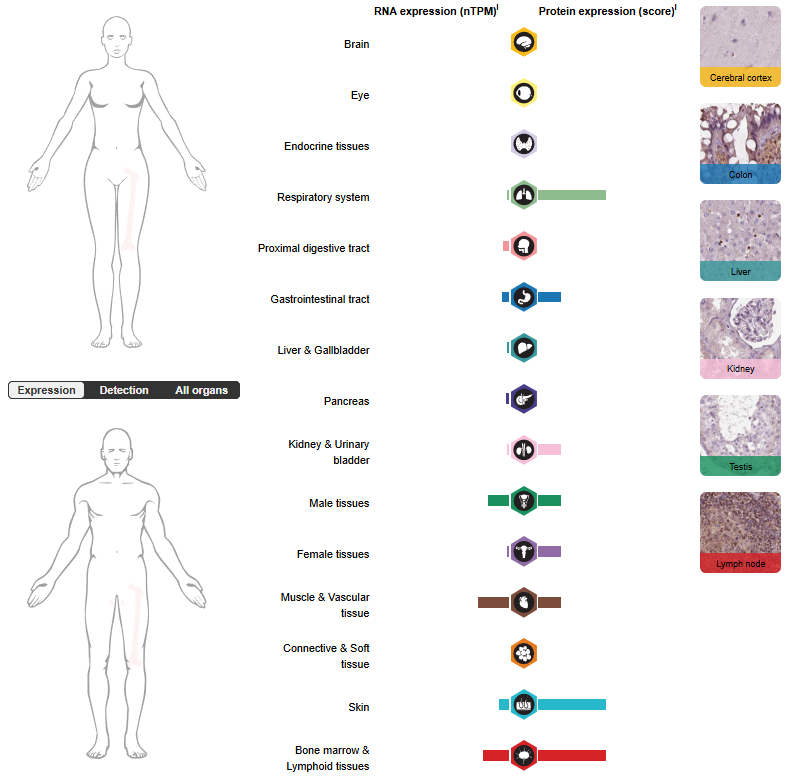

(Data source: uniprot)
Structure of IL31RA
Human IL31RA is encoded by the 5q11.2 gene on chromosome 5 and belongs to the type I transmembrane glycoprotein. Its natural active form does not function alone and needs to bind with OSMRβ (tumor suppressor M receptor β) to form a heterodimeric receptor complex. This is also the core structural feature that distinguishes IL-31 from other cytokines in the IL-6 family. It does not rely on the gp130 subunit to participate in signal transduction throughout the process.
The IL31RA molecular structure is divided into three parts: an extracellular ligand-binding domain, a single transmembrane domain, and an intracellular signal transduction domain. The extracellular domain specifically recognizes and binds to the IL-31 ligand, exhibiting high ligand specificity and no cross-binding with other cytokines. The intracellular domain contains the box1 motif, which mediates interactions with JAK family kinases. It contains multiple tyrosine phosphorylation sites, providing anchoring sites for downstream signaling pathway activation and forming a key structural basis for initiating intracellular pathological signaling cascades. IL-31 first binds to IL31RA via site 2, and then recruits OSMRβ via site 3, assembling to form the IL-31/IL31RA/OSMRβ ternary receptor complex. OSMRβ itself does not directly bind to IL-31, but it can significantly increase the binding affinity of IL-31 to IL31RA.
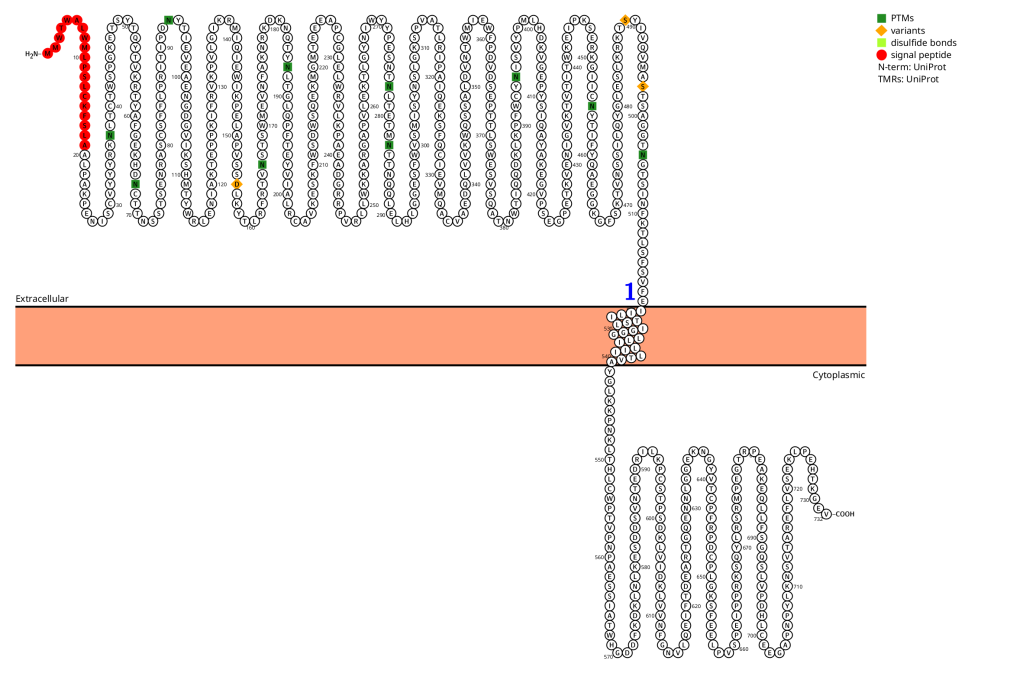
(Data source: protter)
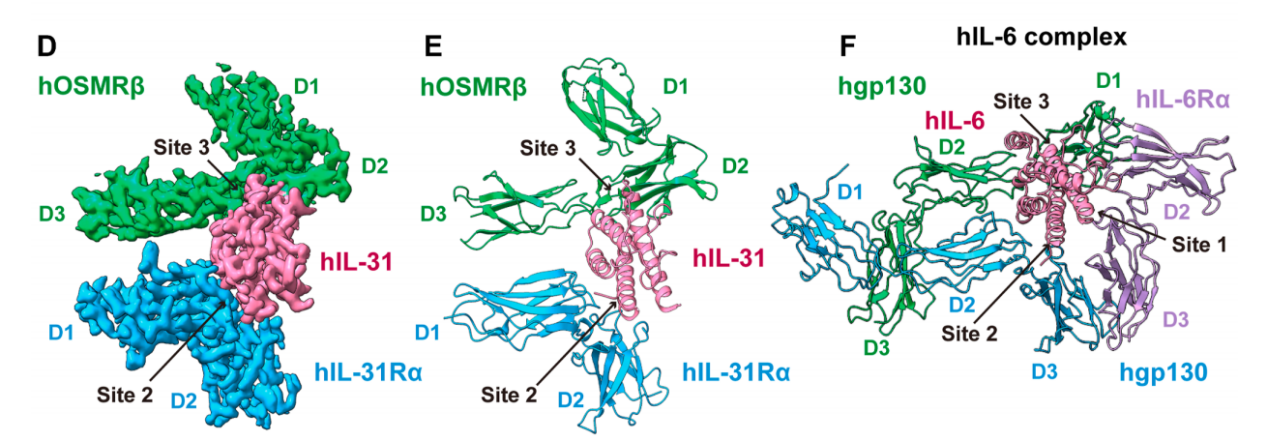
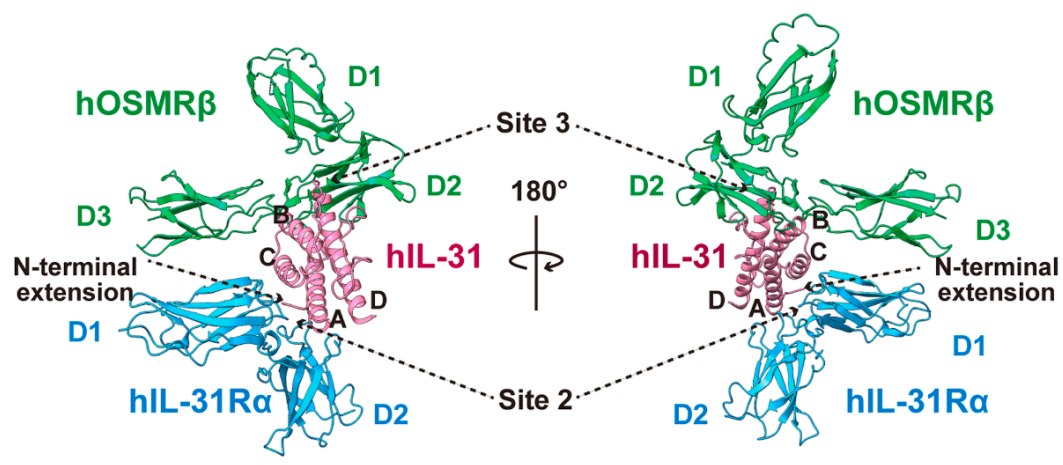
(Data source: Feng Y, et al. J Biol Chem.2026)
IL31RA signaling pathway and regulation
When IL31RA binds to IL31 and OSMR to form the IL-31/IL31RA/OSMRβ ternary receptor complex, it induces conformational changes in the intracellular segment of the receptor and activates related JAK kinases, thereby activating downstream signaling pathways, including the JAK/STAT pathway, the MAPK/ERK pathway, and the PI3K/Akt pathway. These pathways synergistically regulate the expression of inflammatory factors, cell proliferation and survival, and pruritus-related neuroimmune responses, driving the continuous progression of chronic skin inflammation and pruritus symptoms. Therefore, IL31RA has become a core targeted therapeutic target for pruritus inflammatory skin diseases such as atopic dermatitis and chronic eczema.

(Data source: Akhtar S, et al. Front Biosci (Landmark Ed). 2024)
Targeted therapy for IL31RA
Nemolizumab is a humanized anti-IL-31RA monoclonal antibody developed by Chugai. Nemolizumab inhibits itching by competitively binding to IL-31RA, thereby inhibiting the binding of IL-31 to its receptor and subsequent intracellular signaling.
ZL-1503 is a bispecific antibody that targets and antagonizes both IL-13 and IL-31R, aiming to simultaneously inhibit the IL-13-driven inflammatory pathway and the IL-31-driven pruritus pathway. This dual targeting is designed to achieve rapid relief of itching and broad disease control through rapid onset and potent efficacy. ZL-1503 is currently undergoing a phase I/Ib clinical trial globally in healthy volunteers and subjects with moderate to severe atopic dermatitis to evaluate its safety, tolerability, pharmacokinetics, and efficacy. Preclinical studies have demonstrated the potential of ZL-1503 to simultaneously inhibit atopic dermatitis-related inflammatory and pruritus pathways.
GB12-09 is a bispecific antibody targeting IL4Rα and IL31Rα, developed by Shenzhen Kexing Pharmaceutical Co., Ltd., for the treatment of atopic dermatitis. It is currently in the preclinical research stage. This bispecific antibody effectively blocks the IL4/IL13-IL4Rα and IL31-IL31Rα signaling pathways in vitro and in vivo, and shows higher efficacy in inhibiting AD-related TH2/TH2 cytokines.

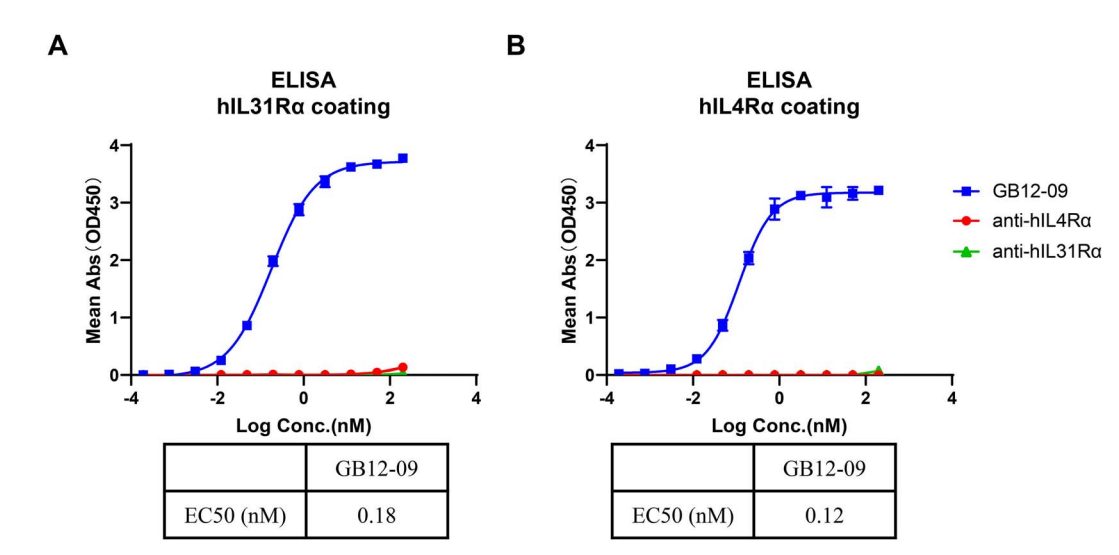
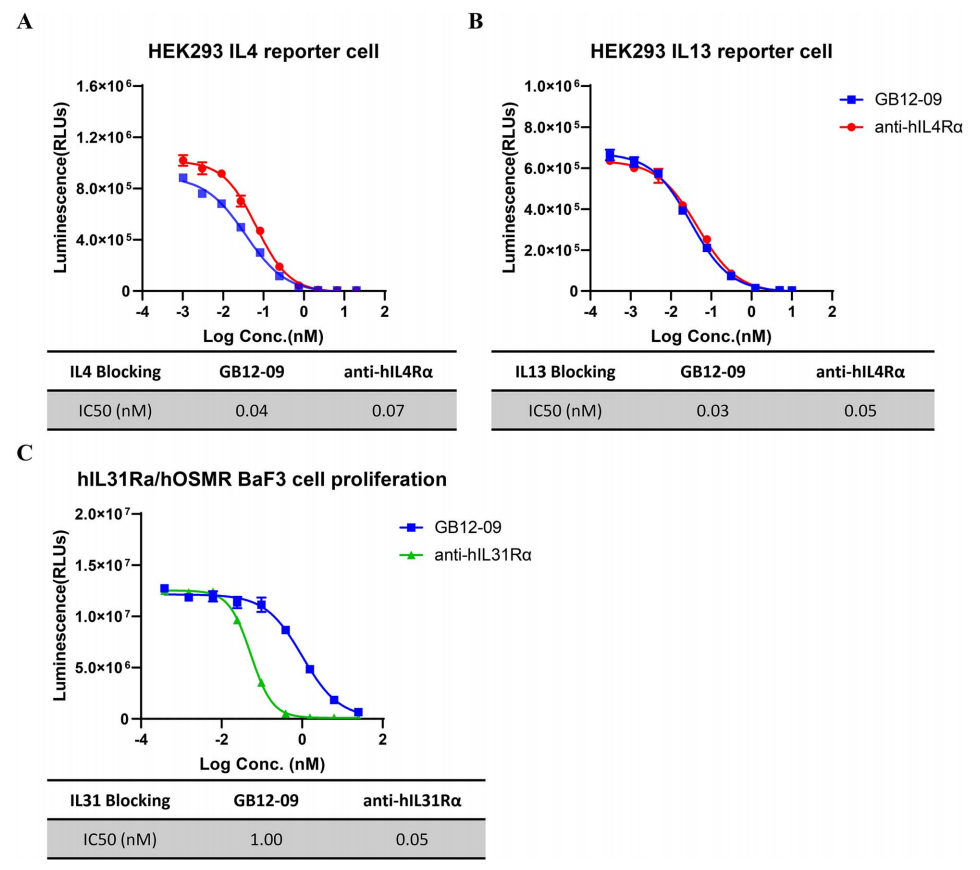
(Data source: Deng F, et al. Antib Ther. 2024)