Kidney-associated antigen 1 (KAAG1), also known as RU2AS (RU2 antisense protein), is expressed in the testes and kidneys, and at lower levels in the bladder and liver. It is expressed in tumors of various histological origins, including melanoma, sarcoma, and colorectal cancer. KAAG1 is a selectively expressed cell surface antigen in prostate cancer. After antibody binding, KAAG1 is rapidly internalized and transported via lysosomes, making it an ideal target for antibody-drug conjugates (ADCs).

(Data source: Gepia)
KAAG1 structure
KAAG1 protein is encoded by the KAAG1 gene located on chromosome 6p22.3. It consists of 84 amino acids and has a molecular weight of approximately 9 kDa, making it a small molecular weight protein. It is primarily composed of a linear, disordered structure. Lacking the stable three-dimensional folding of classic globular proteins, it exhibits an inherently disordered characteristic.
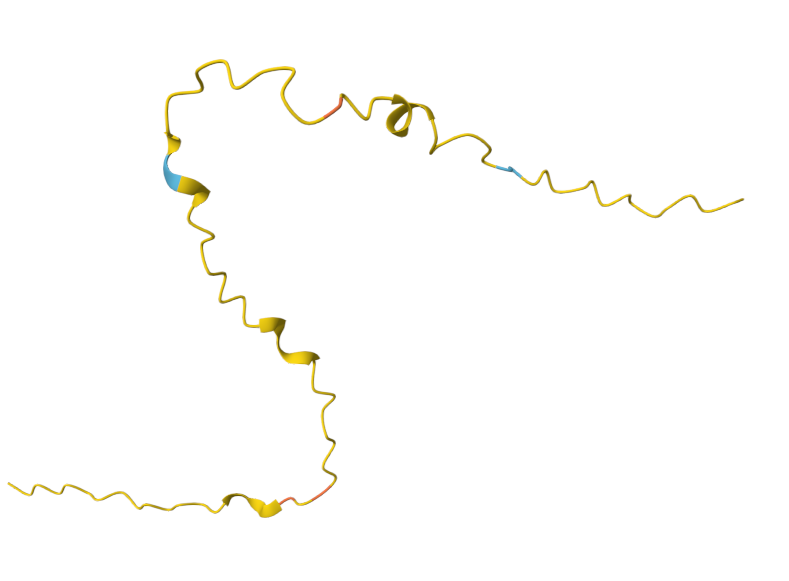
(Data source: Alphafold)
Targeted therapy for KAAG1
ADCT-901 is an ADC composed of a humanized monoclonal antibody IgG1 targeting KAAG1, conjugated to SG3199 (a pyrrolobenzodiazepine (PBD) dimer cytotoxin) via a cathepsin-cleavable linker. In murine xenograft models of humanized TNBC, ovarian cancer, and renal cancer, significant tumor shrinkage was observed after a single administration of ADCT-901, providing a theoretical basis for developing PBD-based ADCs to treat KAAG1-expressing tumors. NCT04972981 is a Phase I open-label dose-escalation and dose-expansion study designed to evaluate the safety, tolerability, pharmacokinetic characteristics, and antitumor activity of ADCT-901 as monotherapy in selected patients with advanced solid tumors.
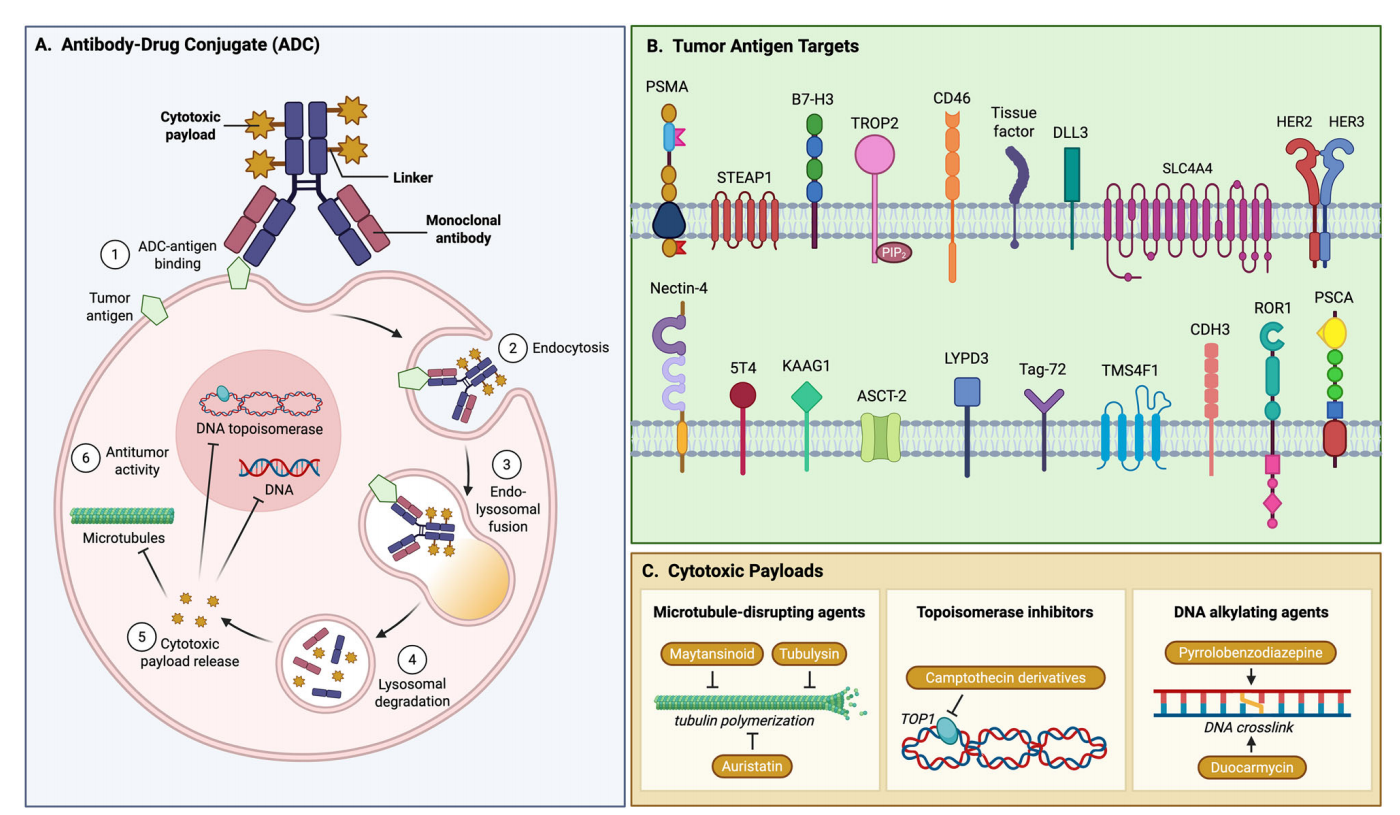
(Data source: Lin C, et al. NPJ Precis Oncol. 2025)