Heat shock proteins (HSPs) are classified into six major families based on their approximate molecular weight and structural characteristics: HSP100, HSP90, HSP70, HSP60, HSP40, and small heat shock proteins (sHSPs, such as HSP27/HSP20). Heat shock protein 90 (HSP90) is an evolutionarily conserved molecular chaperone that plays a central role in cellular protein homeostasis and stress adaptation. By promoting protein folding and facilitating the functional activation of a wide range of client proteins, HSP90 supports fundamental cellular processes including development, proliferation, differentiation, and stress responses. As a central node, HSP90 integrates oncogenic signaling, buffers protein toxicity stress, maintains the plasticity of cancer stem cells, and shapes tumor-immune interactions—all factors that collectively drive treatment resistance and tumor recurrence. Intracellular and extracellular members of the HSP90 family (HSP90α, HSP90β, GRP94, and TRAP1) promote cancer by maintaining a variety of cancer characteristics, including resistance to cell death, replication immortality, tumor immunity, angiogenesis, invasion, and metastasis. Currently, numerous inhibitors and HSP90-based vaccines are used for cancer treatment; HSP90 is a versatile therapeutic node.
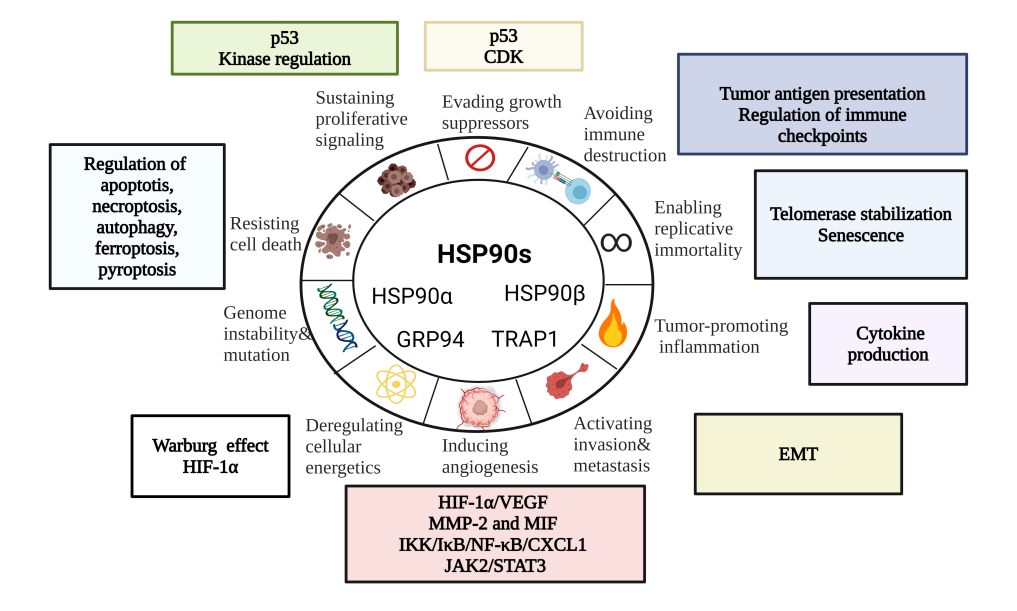
(Data source: Albakova Z. Front Immunol. 2024)
The structure of HSP90 and its receptor
HSP90 is a transmembrane protein. Each HSP90 monomer consists of an amino-terminal domain (NTD), a linker attached to an intermediate domain (MD), and a carboxyl-terminal domain (CTD). In the absence of ATP, HSP90 primarily exhibits an open V-shaped conformation. Upon ATP binding, the NTD undergoes a conformational change, causing the cap to close. Subsequently, the NTD dimers, causing the HSP90 monomer to twist, thereby efficiently hydrolyzing ATP (forming a closed conformation). During this conformational cycle, several co-chairs assist HSP90 in its function. HSP70/HSP90 tissue protein (HOP), also known as stress-inducible phosphatase 1 (STIP1) and cell cycle 37 homolog (CDC37), inhibits structural changes in HSP90; while HSP90 ATPase activator homolog 1 (Aha1) promotes the formation of the closed ATP-binding conformation. Prostaglandin E synthase 3 (PTGES3/p23) acts as a co-chair, slowing down the ATPase cycle by stabilizing the closed conformation that has entered the ATP hydrolysis state.
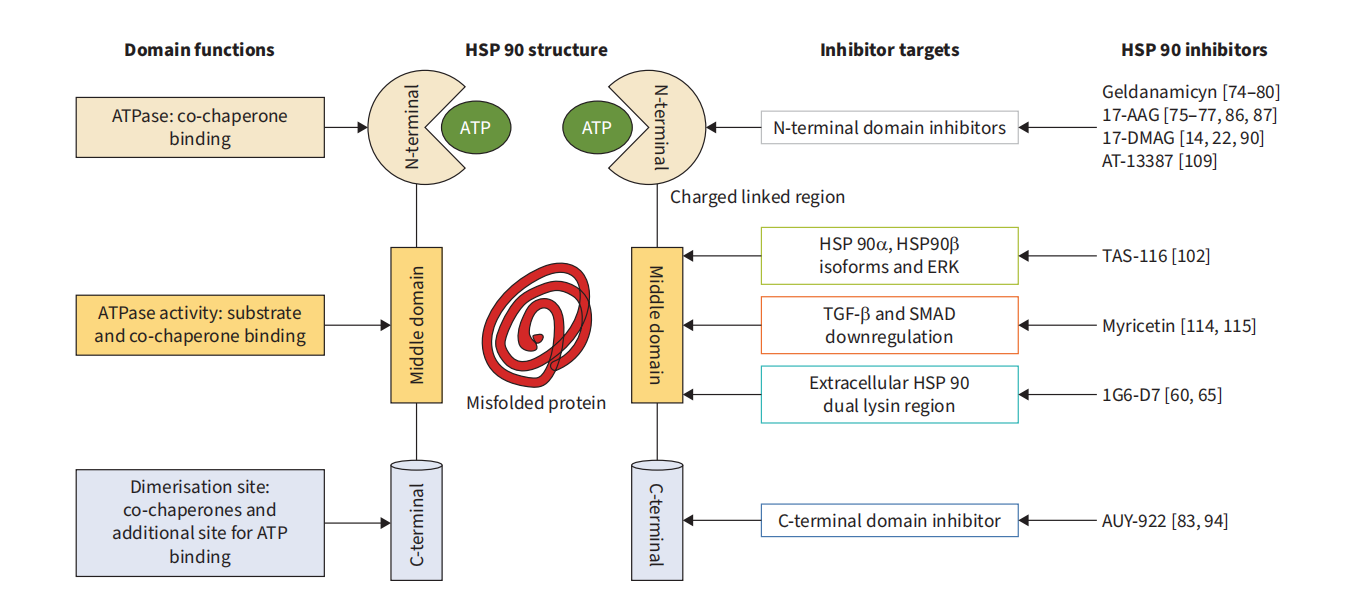
(Data source: Monteleone G, et al. Eur Respir Rev. 2025)
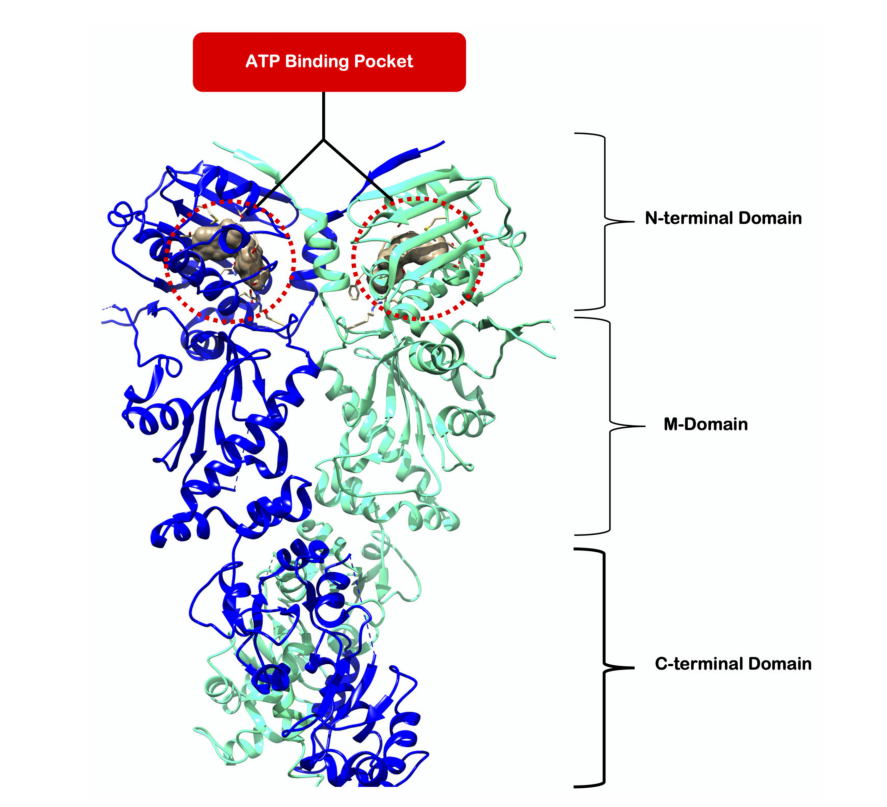
(Data source: Magwenyane AM, et al. Molecules. 2020)
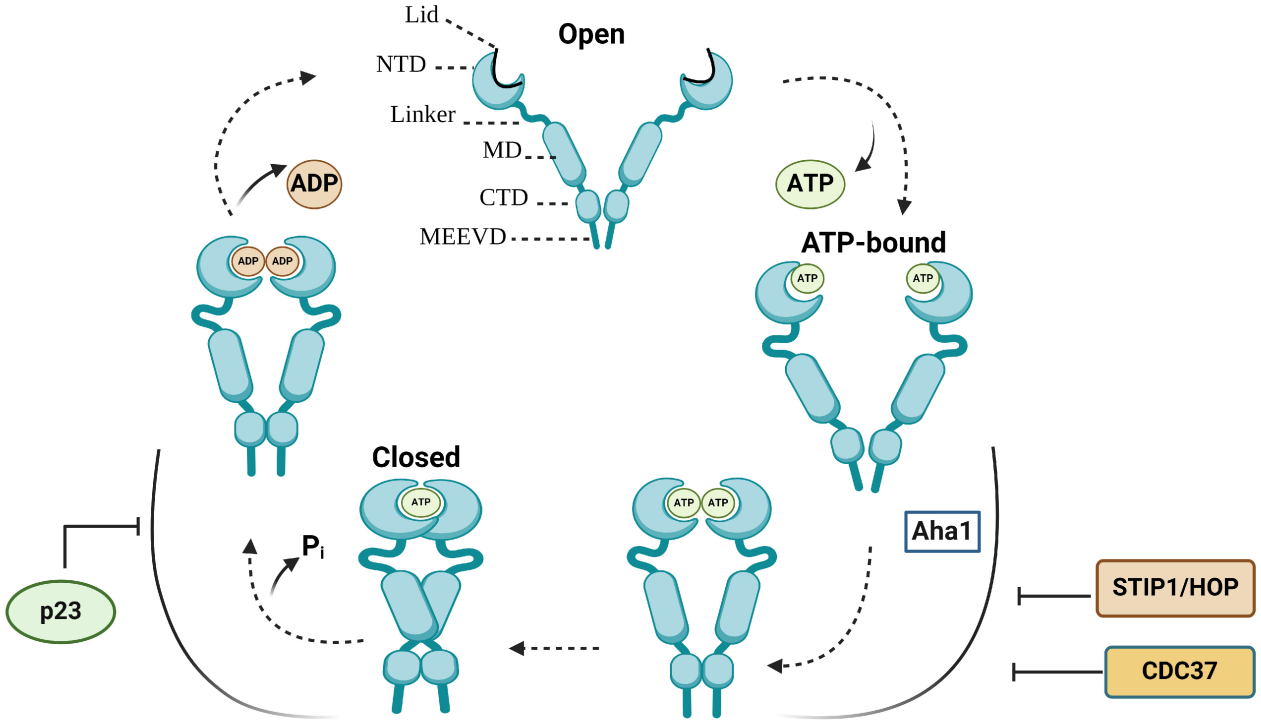
(Data source: Albakova Z. Front Immunol. 2024)
The role of HSP90 in cancer
HSP90 plays a role in a variety of cancers. It is typically upregulated in malignant tumors, supporting tumor proliferation, invasion, and metastasis by stabilizing a wide range of oncogenic proteins.
Breast cancer (BC) is a highly heterogeneous disease characterized by abnormal and overexpressed HSP90 activity, which contributes to tumor development, progression, and treatment resistance.
Lung cancer's dependence on HSP90 is highlighted by driver mutations such as EGFR, which produce volatile oncoproteins that require HSP90 to maintain stability and function. HSP90 stabilizes AKT, regulates the AKT/mTOR signaling axis to influence autophagy and support tumor cell survival.
HSP90 plays a crucial role in various gastrointestinal cancers by stabilizing hypoxia factors and metabolic enzymes. In colorectal cancer (CRC), it modulates survival and drug resistance; high levels of Hsp90α/β are associated with poor prognosis, particularly in patients with BRAF-V600E or HER2/neu. HSP90 alters the localization of glycolytic enzymes through cytoskeleton interactions, thereby promoting gastric cancer metastasis and cancer stem cell (CSC) characteristics, and ultimately enhancing glycolysis and EMT.
In ovarian cancer (OC), elevated HSP90 expression is associated with advanced disease and poor patient prognosis, suggesting its potential value as an independent prognostic indicator. The expression of mixed lineage kinase 4β in OC cells is regulated by HSP90 inhibition and thermal and osmotic stress, highlighting its role in cellular stress response pathways.
Progression of prostate cancer (PCa), particularly towards the castration-resistant stage, is typically maintained by sustained androgen receptor (AR) signaling, which relies on HSP90-mediated stabilization. HSP90 also plays a role in the extracellular microenvironment of PCa; patient plasma levels of extracellular HSP90α (eHSP90α) are significantly higher than in controls, with more than a two-fold increase observed in metastatic cases and elevated levels in high-T stage lesions. This supports its potential as a biomarker for PCa progression and a therapeutic target.

(Data source: Zhang B, et al. Adv Sci (Weinh). 2026)
HSP90-mediated tumor recurrence and drug resistance mechanisms
HSP90 plays a key role in promoting tumor recurrence through a variety of interconnected mechanisms, although this role is often indirect, primarily by promoting the plasticity of cancer stem cells (CSCs), supporting the persistence of dormant cells, and modulating the tumor microenvironment.
HSP90 can modulate the tumor microenvironment in multiple ways. For example, extracellular HSP90 can promote macrophage polarization towards the M2 type, creating an immunosuppressive and pro-tumor environment that favors tumor growth and potential recurrence. Furthermore, HSP90 inhibitors attenuate the immunosuppressive function of regulatory T cells (Tregs), which are key suppressors of anti-tumor immunity, suggesting that HSP90 inhibition may enhance the immune response and potentially prevent recurrence. The interaction between tumor cells and cancer-associated fibroblasts (CAFs), often mediated by HSP90-stabilized growth factors, also creates conditions conducive to recurrence.
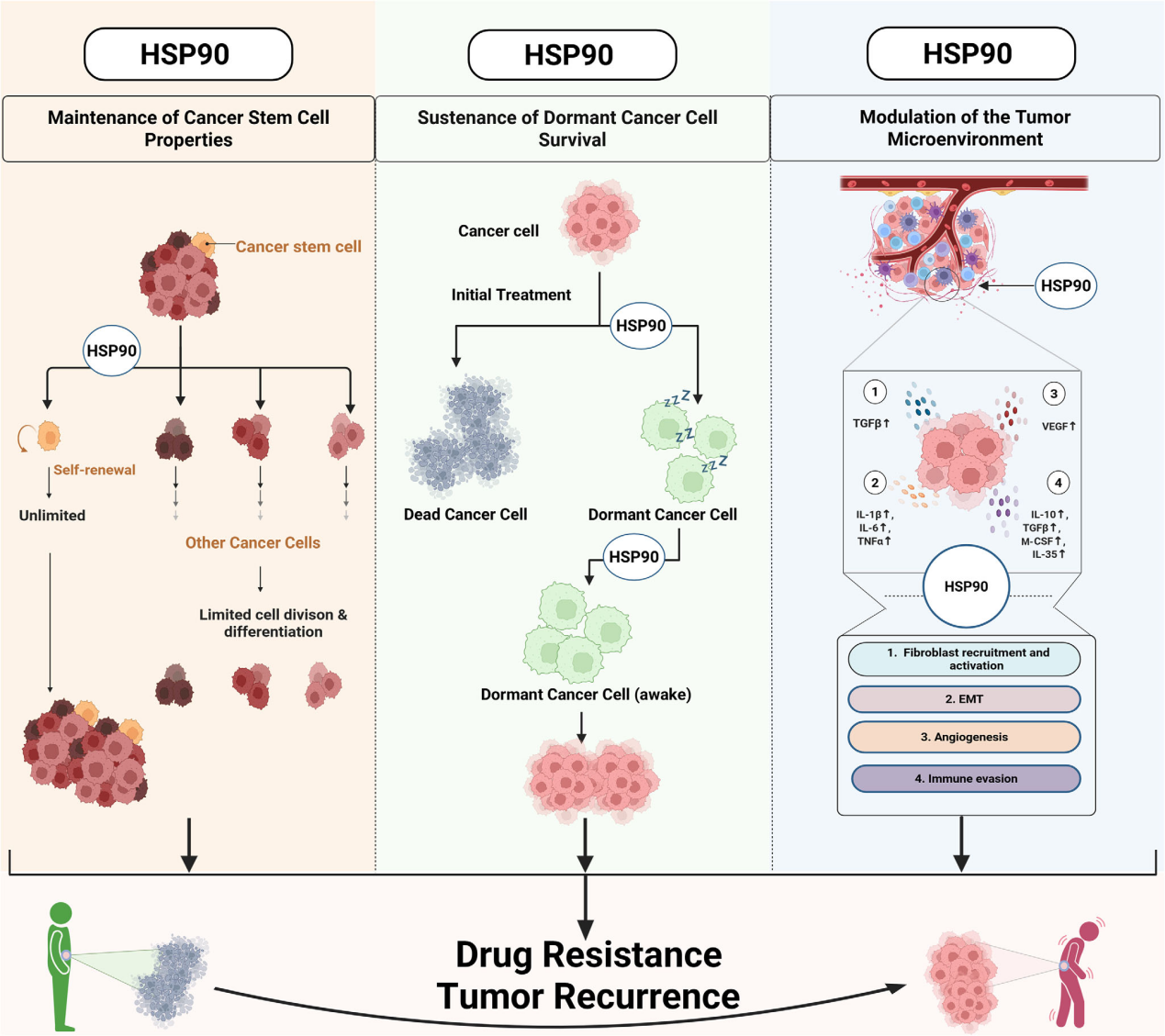
(Data source: Zhang B, et al. Adv Sci (Weinh). 2026)
Potential role of HSP90 in immunomodulation and immunotherapy of malignant tumors
HSP90 plays a multifaceted role in immune regulation. It modulates anti-tumor immunity by regulating key factors within the tumor microenvironment (TME), including antigen presentation, signaling pathways, immune checkpoint expression, and T cell function, thereby influencing whether tumors are considered immunologically "cold" or "hot."
HSP90 inhibition upregulates pro-inflammatory cytokines (such as IL-6 and IL-1β) and chemokines (such as CCL2 and CXCL1) in various cell types , all of which are known to be involved in the recruitment and function of tumor microenvironmental cells (MDSCs). Although direct evidence that HSP90 inhibition increases MDSC infiltration is currently lacking, activation of the STAT3, NF-κB, and HIF-1α pathways suggests a possible context-dependent immunomodulatory effect. Studies have also shown that when HSP90 inhibition is combined with immune checkpoint blockade, it reduces MDSC infiltration, highlighting the complexity of its impact on the tumor microenvironment (TME). HSP90 inhibition enhances cancer immunotherapy by modulating the surface expression of various immune checkpoint proteins. This varying sensitivity provides a therapeutic window for HSP90 inhibitors between tumor and immune cells, offering a theoretical basis for HSP90-targeted therapy.
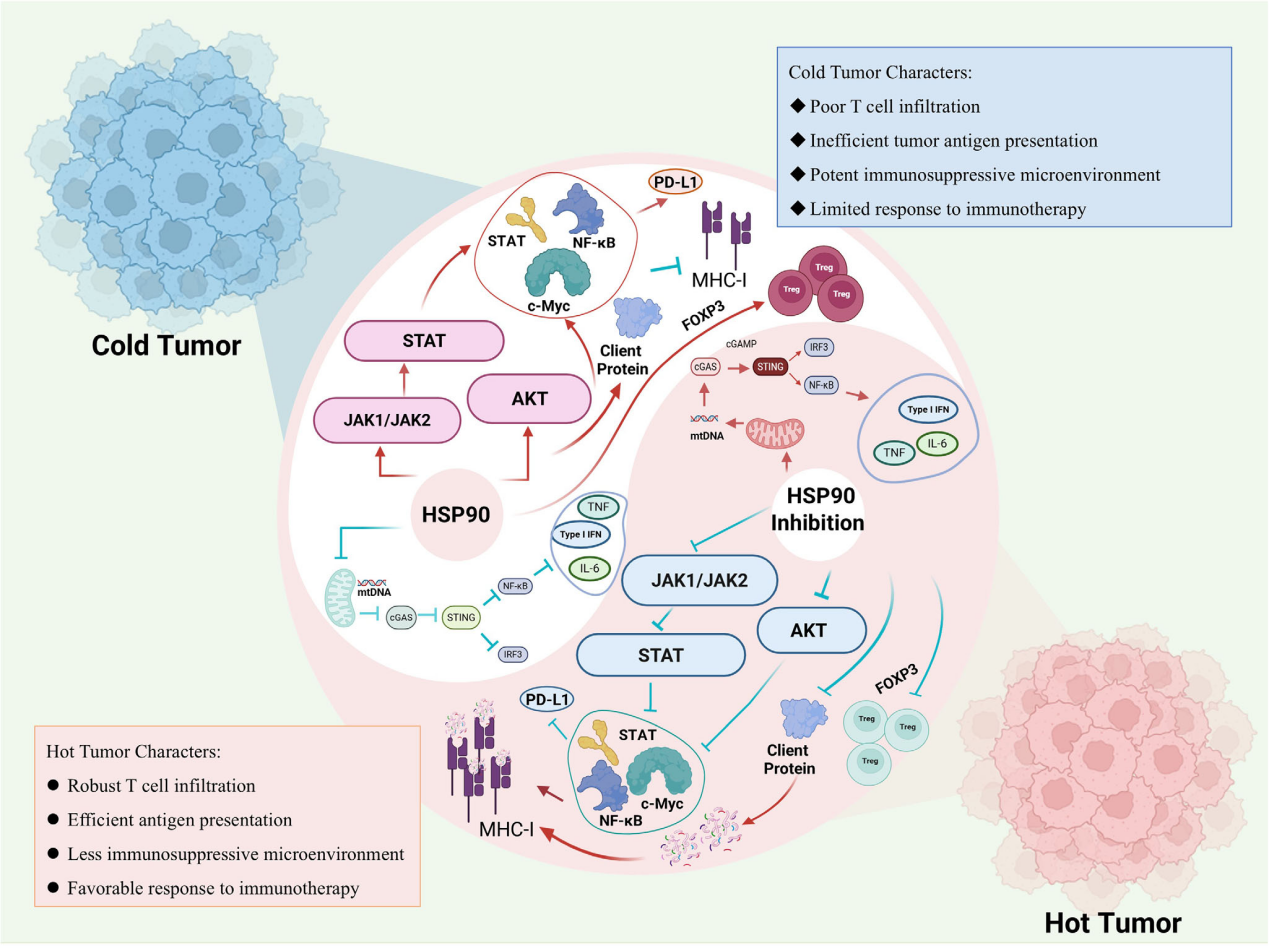
(Data source: Zhang B, et al. Adv Sci (Weinh). 2026)
HSP90 targeted therapy
HSP90 drives tumor growth, survival, and drug resistance by stabilizing oncoproactive proteins. Currently, the main HSP90-targeted therapy strategies are inhibitors, CAR immunotherapy, and antibody therapy. HSP90 inhibitors enhance antigen presentation through MHC-I and IFNGR and reduce immunosuppression by disrupting STATs and downregulating PD-L1 and IDO1. HSP90 also shapes the tumor immune microenvironment by influencing the function and polarization of immune cells. HSP90 inhibitors show increasing potential in immunotherapy. These drugs synergize with immune checkpoint blockade, hyperthermia, radiotherapy, and chemotherapy by enhancing immune responses and overcoming drug resistance.
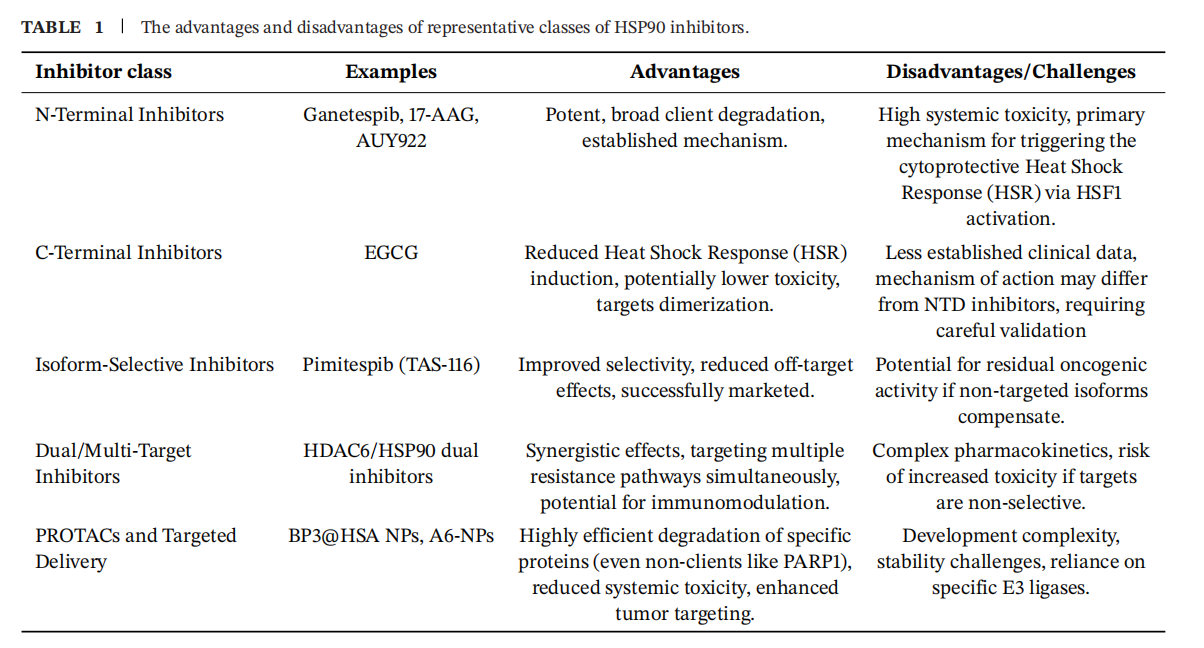
(Data source: Zhang B, et al. Adv Sci (Weinh). 2026)
Efungumab is a recombinant human monoclonal antibody developed by NeuTec Pharma plc. It is engineered to selectively bind to fungal heat shock protein 90 (HSP90), thereby impairing fungal activity. Efungumab has twice submitted marketing applications to the European Union, but both applications were rejected due to safety and quality concerns.
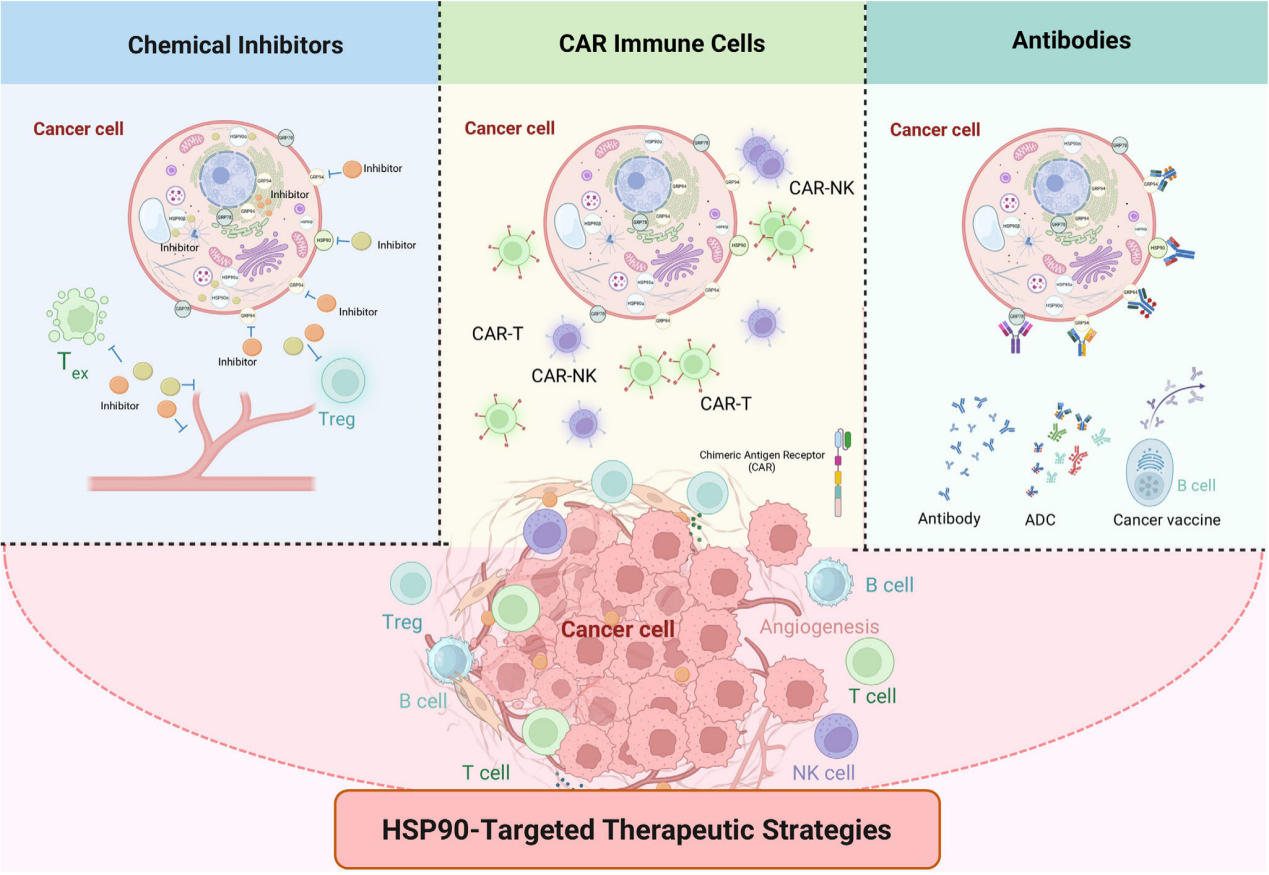
(Data source: Zhang B, et al. Adv Sci (Weinh). 2026)