HU protein is a type of nucleoassociated protein (NAP) and a crucial regulator of bacterial virulence, pathogenicity, and survival. NAPs are primarily DNA structural proteins that influence various molecular processes by binding to DNA. HU protein is an essential bacterial transcription factor and is also considered a virulence determinant. HU protein is a member of the DNA-binding protein class DNABII and has been detected in the biofilm of urinary tract pathogenic Escherichia coli (UPEC). The DNABII protein IHF (a homolog of HU) has been found to be a target for successful treatment of diseases caused by human pathogens such as Pseudomonas aeruginosa and Haemophilus influenzae by disrupting the biofilm using monoclonal antibodies against IHF. IHF protein shares structural and sequence similarity with HU protein. Both proteins are widely distributed in prokaryotes. Due to their high homology, it is inferred that they share similar functions.
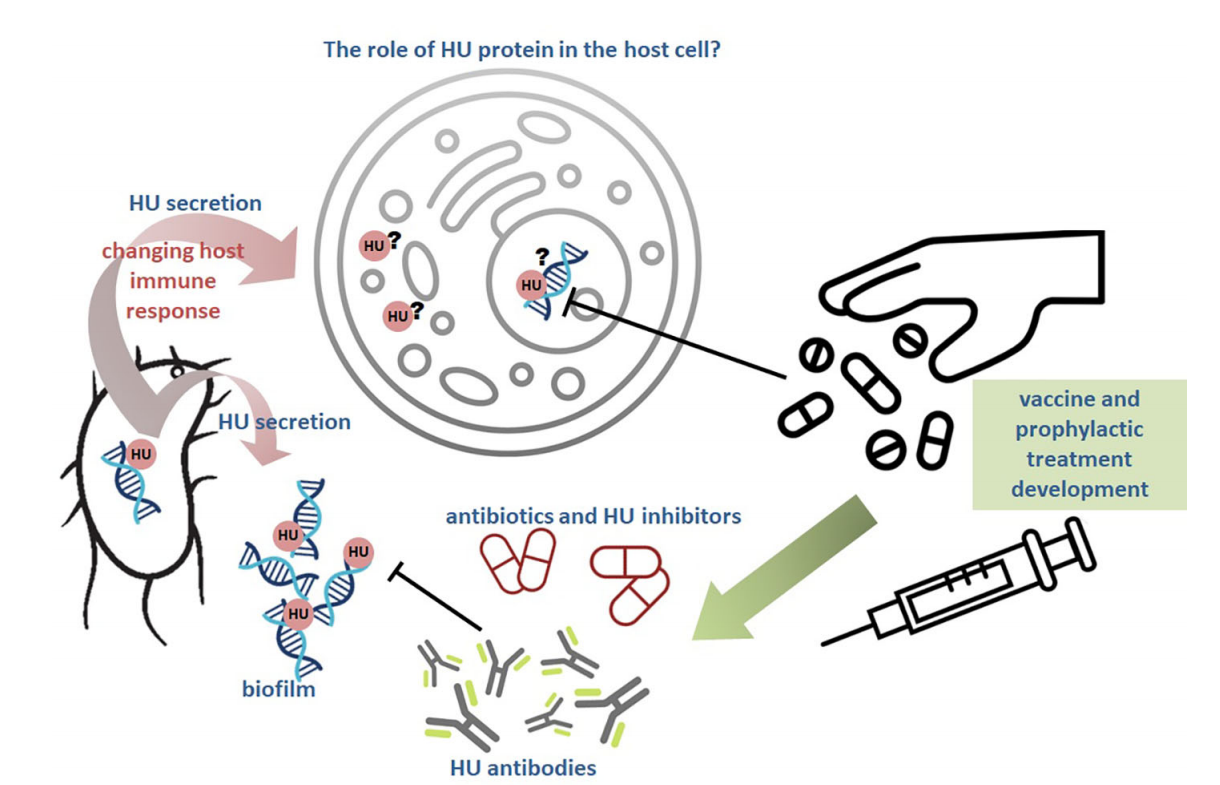
(Data source: Stojkova P, et al. Front Cell Infect Microbiol. 2022)
Structure and distribution of HU
HU protein is a small basic protein with a molecular weight of approximately 9.5 kDa, existing in solution as homodimers or heterodimers. Taking *E. coli* as an example, its HU consists of two subunits: HuA (α subunit) and HuB (β subunit), which work together to perform DNA binding and nucleoside organization functions. HUα is mainly expressed during the early exponential growth phase, while HUβ is expressed only during the stationary phase. HUαα homodimers are mainly present during the lag and exponential growth phases, while HUαβ heterodimers are mainly present during the early and late stationary phases. The exchange of HUαα and HUαβ affects the corresponding gene expression patterns. HU binds to specific DNA structures with high affinity (nanomolar levels). These structures occur at limited frequencies and possess specific gene regulatory or recombination functions.

(Data source: Hammel M, et al. Sci Adv. 2016)

(Data source: Hołówka J, et al.Front Microbiol. 2020)
HU proteins are considered essential proteins in many pathogenic bacteria, including Mycobacterium tuberculosis, Yersinia pestis, Enterobacteriaceae, oral Gram-negative bacteria, and Streptococcus pneumoniae. Given the important role of HU proteins in the virulence and pathogenicity of many bacteria, they may become a novel target for therapeutic drug development.
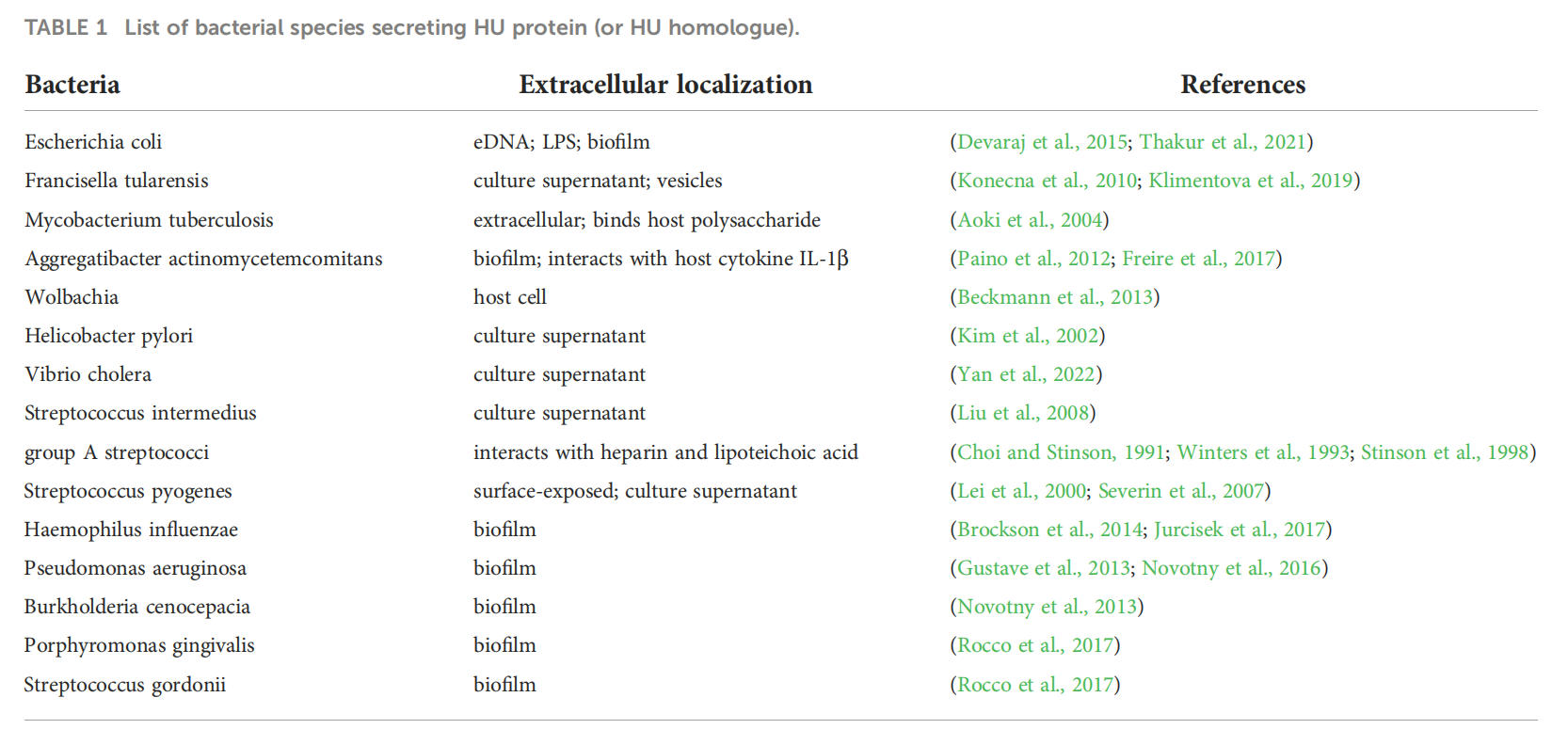
(Data source: Stojkova P, et al. Front Cell Infect Microbiol. 2022)
Targeted therapy for HU
Calpurbatug (TRL1068) is a monoclonal antibody targeting periprosthetic joint infections (HU) developed by Trellis Biosciences for the treatment of prosthetic joint infections, bacterial endocarditis, and Staphylococcus aureus infections. It is currently in Phase 2 clinical trials. Calpurbatug disrupts the biofilm encapsulating bacteria, re-exposing the pathogen to antibiotics and the host immune system. In vivo mouse studies have shown that TRL1068 binds to Staphylococcus aureus biofilms with high affinity, thereby disrupting the three-dimensional structure and significantly reducing implant colony-forming units (CFUs) in well-characterized orthopedic models where previously tested drugs showed only partial efficacy. TRL1068 represents a promising systemic treatment for orthopedic implant infections. Trellis conducted the first-in-human trial of calpurbatug in patients with periprosthetic joint infections (PJI) under an Investigational New Drug (IND) application approved by the U.S. Food and Drug Administration (FDA). In addition to safety and pharmacokinetic data, this Phase 1 trial provides early clinical evidence of biofilm-disrupting activity. Currently, the Phase II trial testing TRL1068 in PJI patients as part of a debridement, antibiotic irrigation, and implant retention (DAIR) procedure has completed full enrollment, and the primary results are expected to be released in the second quarter of 2027.
Jason Adams of The Doctor Group stated that preliminary results from a clinical trial combining TRL1068 with DAIR surgery show that this innovative drug is more effective than two-stage revision surgery in treating a variety of bacterial infections. This would be a truly disruptive breakthrough in the field, offering not only better treatment but also less suffering for patients.
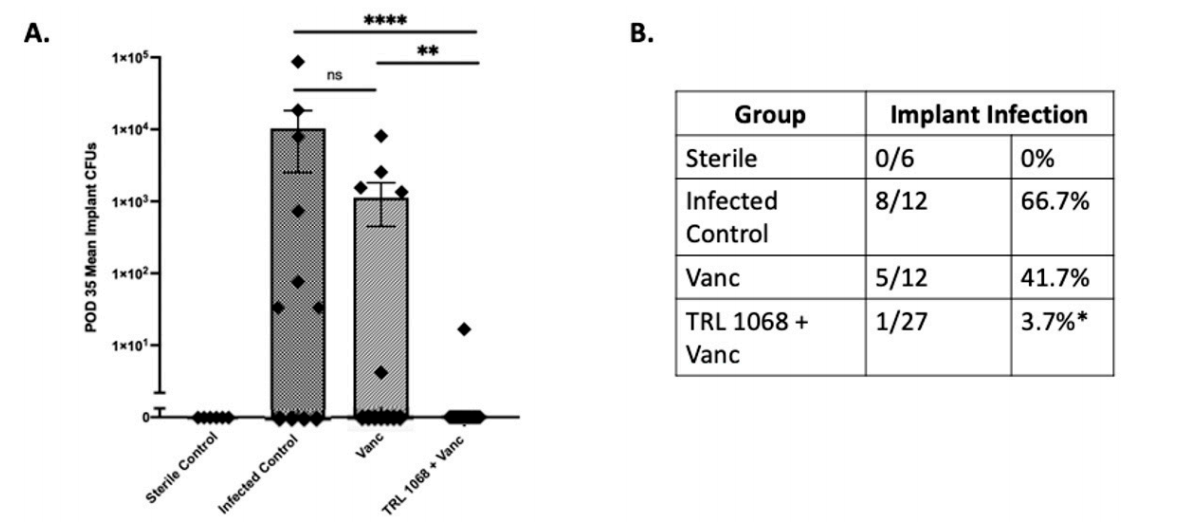
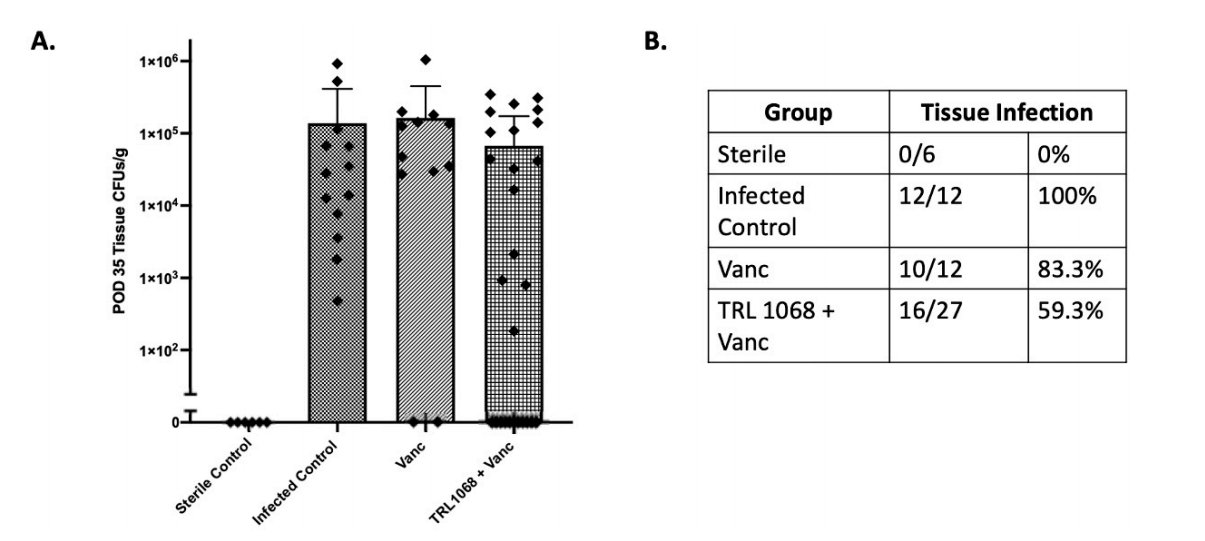
(Data source: Burke ZDC, et al. Antibiotics (Basel). 2023)