Human endogenous retroviruses (HERVs) comprise approximately 8% of the human genome and are genomic remnants of ancestral retroviral infections. These viruses have colonized the germline through evolutionary processes. Although most HERVs remain epigenetically silent, they can be reactivated through environmental stimuli or epigenetic dysregulation, participating in tumorigenesis through viral mimicry, immune regulation, and insertional mutations, thereby promoting tumorigenesis and progression. HERV envelope proteins (HERV Envs) have been shown to trigger innate and adaptive immunity, inducing inflammatory, cytotoxic, and apoptotic responses; conversely, they also inhibit immune activation, exhibiting immunosuppressive properties and acting as immunomodulatory factors. HERVs are expressed in melanoma and ovarian cancer, playing a crucial role in tumorigenesis, cancer progression , and autoimmune diseases.
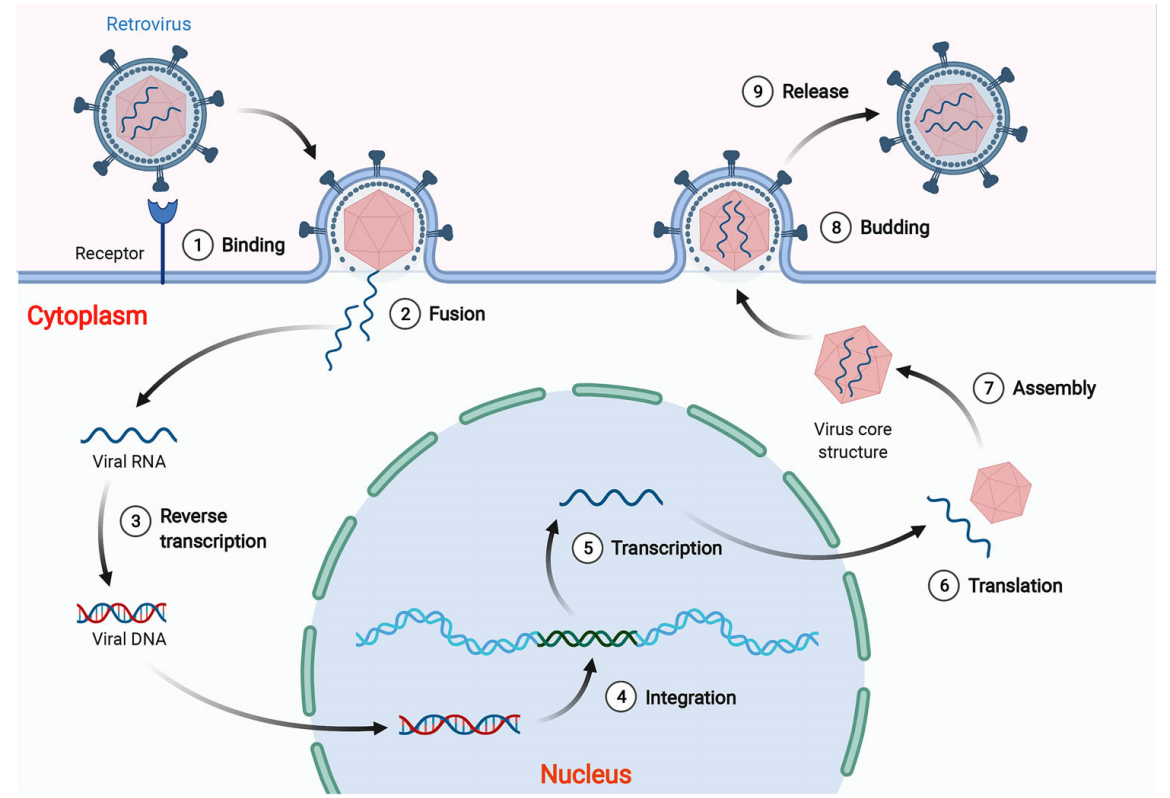
(Data source: Ma W, et al. Cell Death Discov. 2025)
Structural classification and activation of HERVs
HERVs are a unique class of retrotransposons embedded in the human genome and are key drivers of genome evolution. A typical HERV genome structure contains four core genes , gag, pro, pol, and env, encoding structural and enzymatic proteins, flanked by two LTRs (long terminal repeats). The LTRs contain core promoter and enhancer elements, regulating the transcription of HERV-derived sequences and adjacent host genes through epigenetic modifications and transcription factor recruitment.
The `gag` gene encodes structural components, including the capsid, nucleocapsid, and matrix proteins. The `pro` gene encodes a viral protease called `dUTPse`. The `pol` gene produces viral enzymes, including reverse transcriptase (RT), ribonuclease H (RNase H), and integrase. The `env` gene encodes an `env` protein consisting of a 55 kDa surface glycoprotein (SU) that determines the recognition specificity of the host cell receptor, and a 39 kDa transmembrane (TM) subunit. This subunit is crucial for anchoring the viral receptor to the host cell membrane and facilitating the fusion process between the viral particle and the host cell, thus ensuring successful viral entry. The TM subunit contains an immunosuppressive domain (ISD), which participates in the regulation of the host immune system.
HERVs are classified into three main classes based on the sequence similarity of their polymerase genes: Class I (gamma retroviruses), Class II (beta retroviruses), and Class III (spumaviruses). These classes are further subdivided into at least 31 families, classified according to their transfer RNA (tRNA) primer binding sites . The letter at the end of each HERV (e.g., HERV-K, HERV-H, HERV-W, etc.) indicates the tRNA specificity of the primer binding site.
Under physiological conditions, HERV expression in most human tissues is epigenetically silent and is usually undetectable at basal levels. However, HERV genomic elements can be transcribed and activated by a variety of external stimuli, including exogenous chemicals, physical factors, and exogenous viral infections.
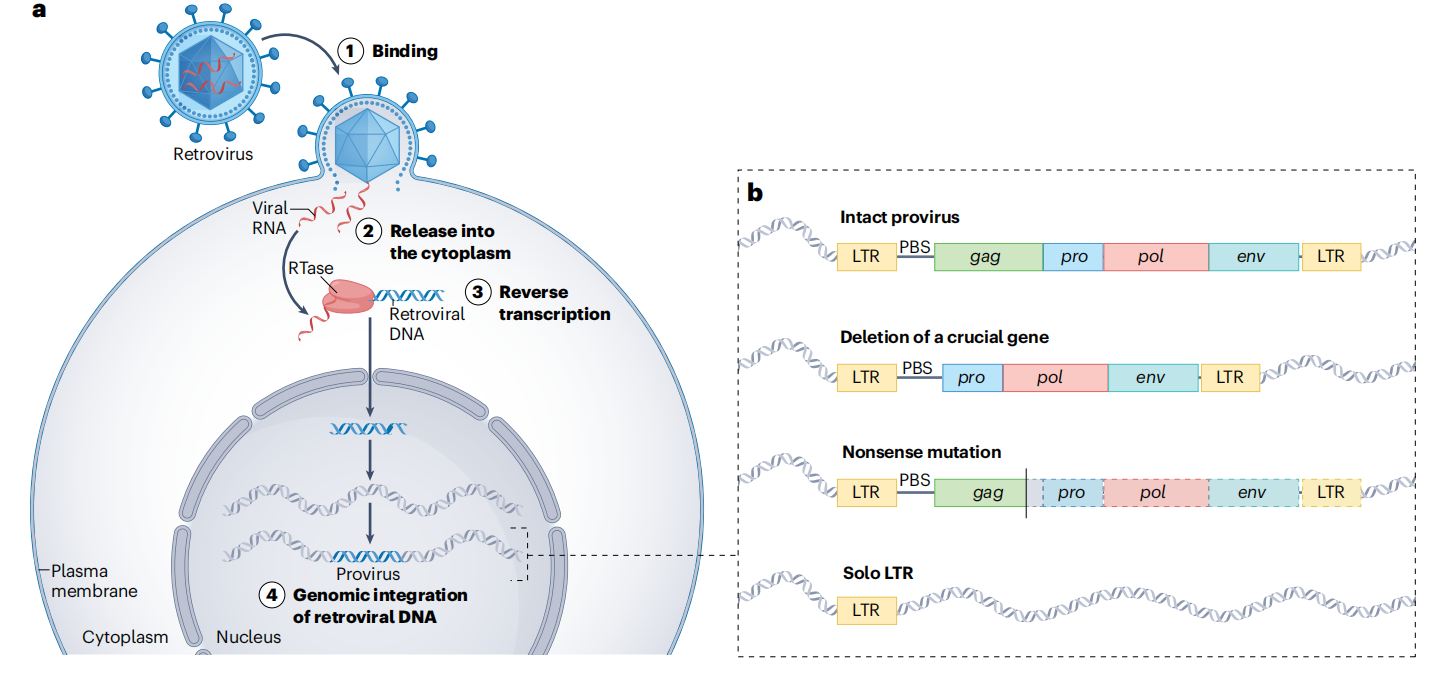
(Data source: Dopkins N, et al. Nat Rev Mol Cell Biol. 2024)
The role of HERVs in immune regulation
Activation of endogenous retroviruses (HERVs) can trigger both innate and adaptive immune responses. Reactivated HERVs produce double-stranded RNA (dsRNA), single-stranded RNA (ssRNA), and double-stranded DNA (dsDNA), which are recognized by pattern recognition receptors (PRRs) of the innate immune system, such as Toll-like receptors (TLRs). This recognition induces type I and type III interferon (IFN) responses and promotes the expression of pro-inflammatory cytokines. These cytokines act on immune cells, thereby initiating the innate immune response. Furthermore, reactivated HERVs express novel proteins. These neoantigens are presented to CD8+ T cells via major histocompatibility complex (MHC) class I molecules, thereby activating the adaptive immune response. Some of these antigens may also be directly displayed on the cell surface and recognized by antibodies secreted by B cells.

(Data source: Lin Y, et al. Biomedicines. 2025)
Pathogenic mechanisms of HERVs
HERV-K Env promotes epithelial-mesenchymal transition (EMT) and tumor metastasis by specifically activating the ERK1/2 signaling pathway. Furthermore, HERV-K Env can promote tumor cell fusion, leading to syncytial formation. Virus-like particles derived from HERV-K affect the tumor microenvironment through paracrine signaling. HERV-H upregulated expression contributes to oncogenic effects. The immunosuppressive peptide H17, derived from the HERV-H transmembrane protein, can induce EMT and enhance tumor invasiveness. HERV-H induces CCL19 secretion and recruits CD271+ immunomodulatory cells. Mesenchymal stem cell (MSC)-like cells promote cancer stem cell proliferation, while myeloid-derived suppressor cell (MDSC)-like cells suppress T cell activity.

(Data source: Lin Y) et al. Biomedicines. 2025)
Targeted therapy for HERVs
Treatments for HERV mainly include DNA methyltransferase inhibitors, monoclonal antibodies, chimeric antigen receptor (CAR)-T cell therapy, and transcriptase inhibitors combined with reverse transcriptase.
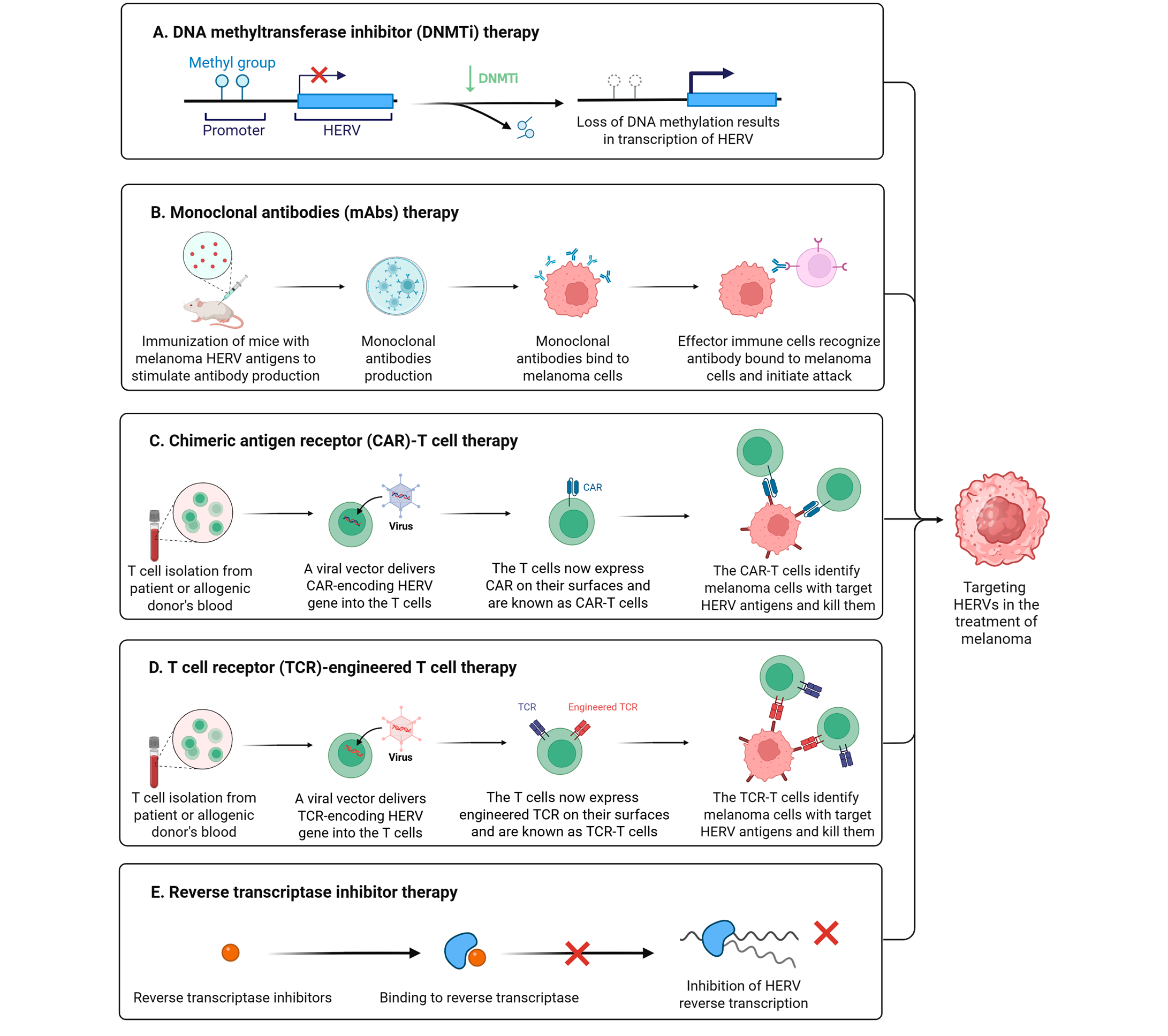
(Data source: Lin Y, et al. Biomedicines. 2025)
Temelimab (GNbAC1) is an IgG4 monoclonal antibody designed to specifically target and neutralize the effects of HERV-W-Env. Temelimab targets a linear non-glycosylated epitope in the SU domain of the HERV-W/MSRV Env, blocking its interaction with the TLR4 receptor, thereby blocking the pro-inflammatory cascade and inhibiting myelin repair. Temelimab is being evaluated in clinical trials as a novel treatment for multiple sclerosis. In a randomized, double-blind, placebo-controlled, dose-escalation phase I trial, 88 healthy male volunteers were evaluated at different doses (ranging from 0.0025 to 6 mg/kg). All intravenous doses were well tolerated across the three groups tested, with only nonspecific, minor adverse events observed. The safety and pharmacokinetics of Temelimab were re-evaluated in a phase IIa trial, this time in 10 MS patients who received monthly repeat doses of 2 mg/kg or 6 mg/kg for 6 months.
IPT-001 is a dual adenovirus (Ad) vector immunotherapy that delivers a redesigned HERV-K antigen, promising to address a range of diseases as monotherapy or in combination with other drugs. IPT-001 utilizes two unique, proprietary Ad vectors with low pre-existing immunity and excellent antigen expression capabilities. Following a single treatment, these vectors simultaneously induce potent HERV-specific T-cell and B-cell responses.
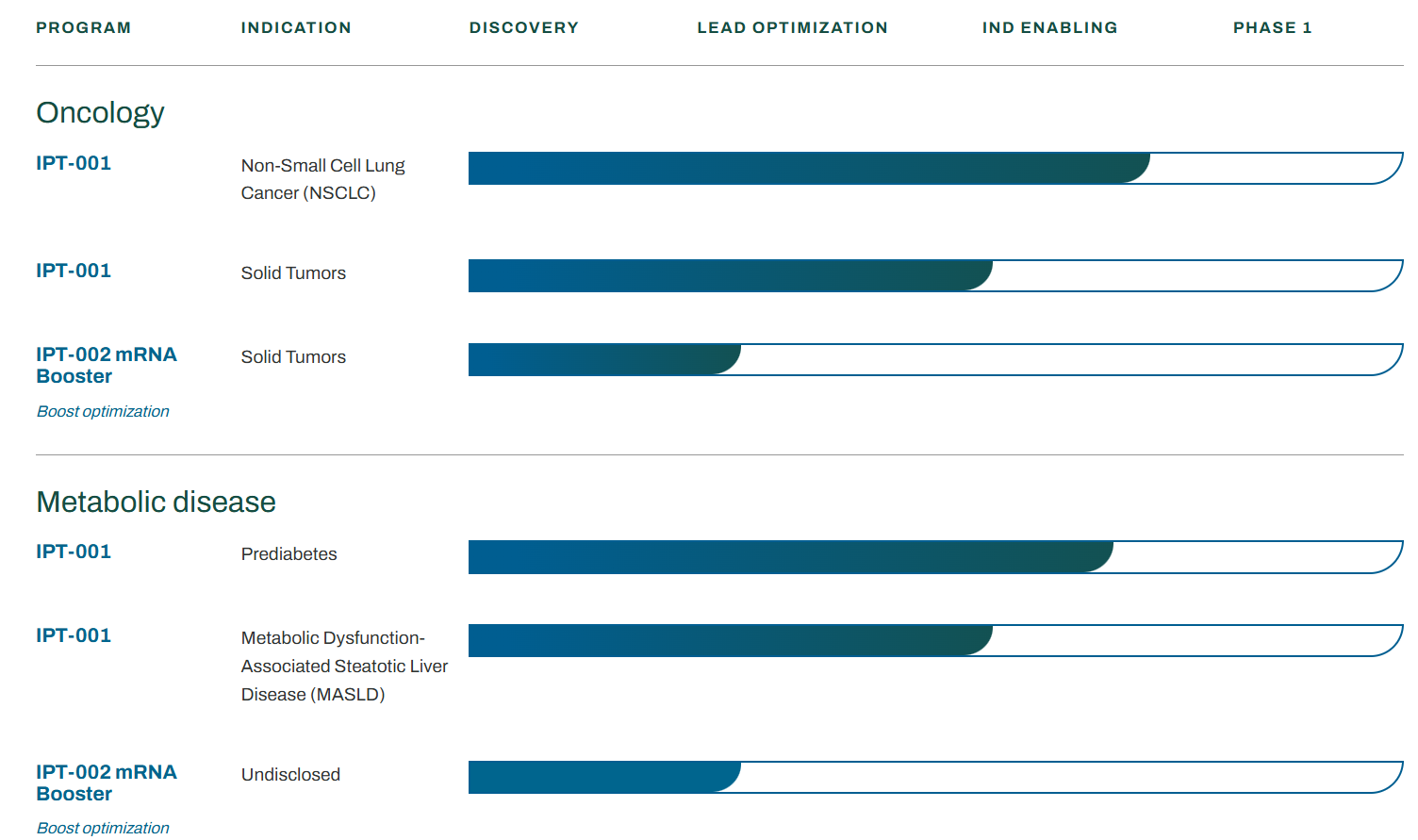
(Data source: hervolutiontx official website)