ICOSLG, also known as B7H2 and CD275, is a ligand for the T-cell-specific cell surface receptor ICOS (ICOSL). It serves as a co-stimulatory signal for T-cell proliferation and cytokine secretion. ICOSL signaling influences key processes such as tumor growth, bone remodeling, wound healing, liver regeneration, and sepsis. ICOSL is a multifunctional immunomodulator with therapeutic potential in cancer, inflammatory diseases, and fibrotic disorders.
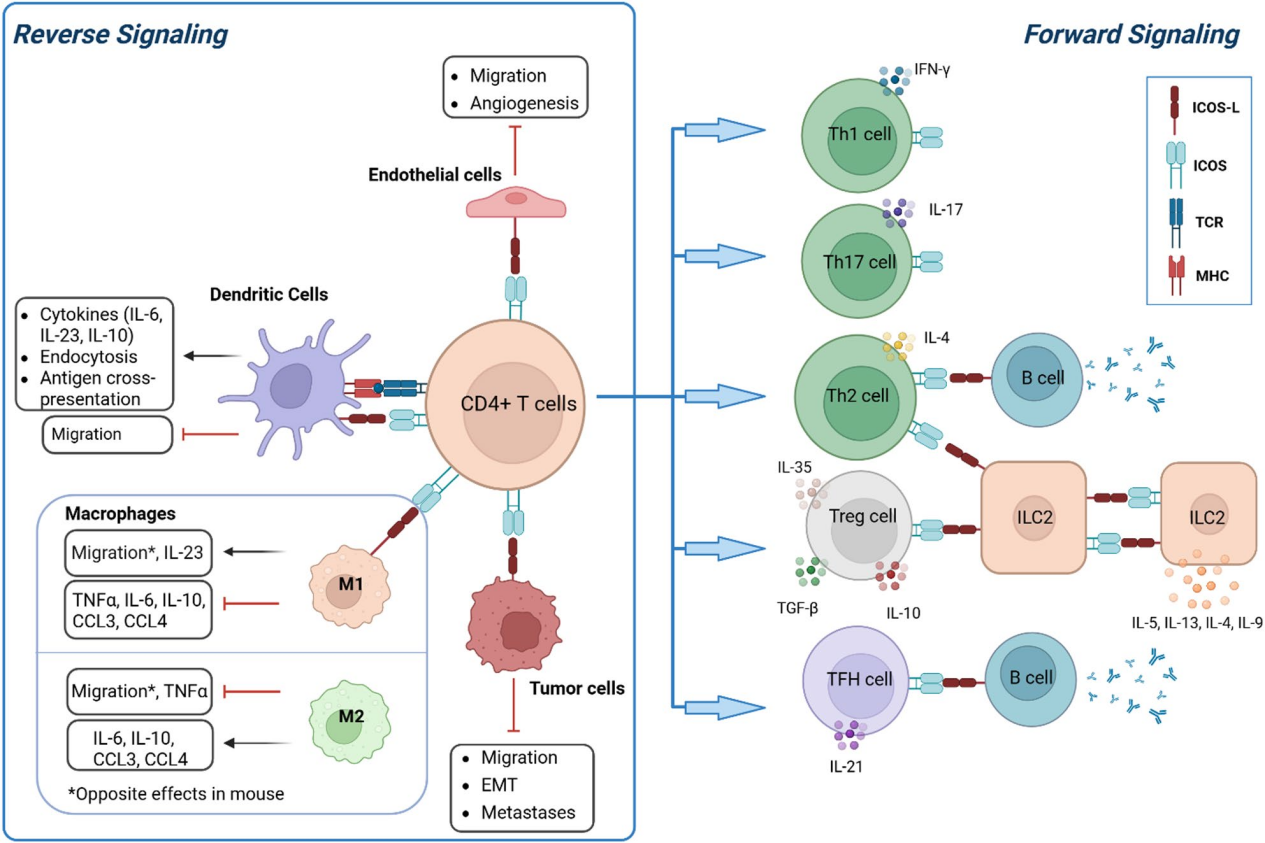
(Data source: Stoppa I, et al. Cell Commun Signal. 2025)
Expression distribution of ICOSLG
ICOSLG is widely expressed in both non-immune and immune cells, primarily in dendritic cells. In the tumor microenvironment, ICOSLG expression exhibits heterogeneity and can be detected on tumor cells or infiltrating immune cells in various cancers (such as colorectal cancer, nasopharyngeal carcinoma, melanoma, etc.). Its expression level is associated with the formation of an immunosuppressive microenvironment.


(Data source: uniprot)
Structure and ligands of ICOSLG
ICOSL is a transmembrane protein composed of 302 amino acids. Its molecular structure consists of an extracellular N-terminal immunoglobulin (Ig) variable (type V) domain, an Ig conventional (type C) domain, a transmembrane domain, and an intracellular domain, but it does not contain typical immune receptor tyrosine inhibitory motifs (ITIM) or activating motifs (ITAM). ICOSL has three identified ligands: ICOS, CD28, and CTLA-4, as well as a potential ligand—osteopontin (OPN).
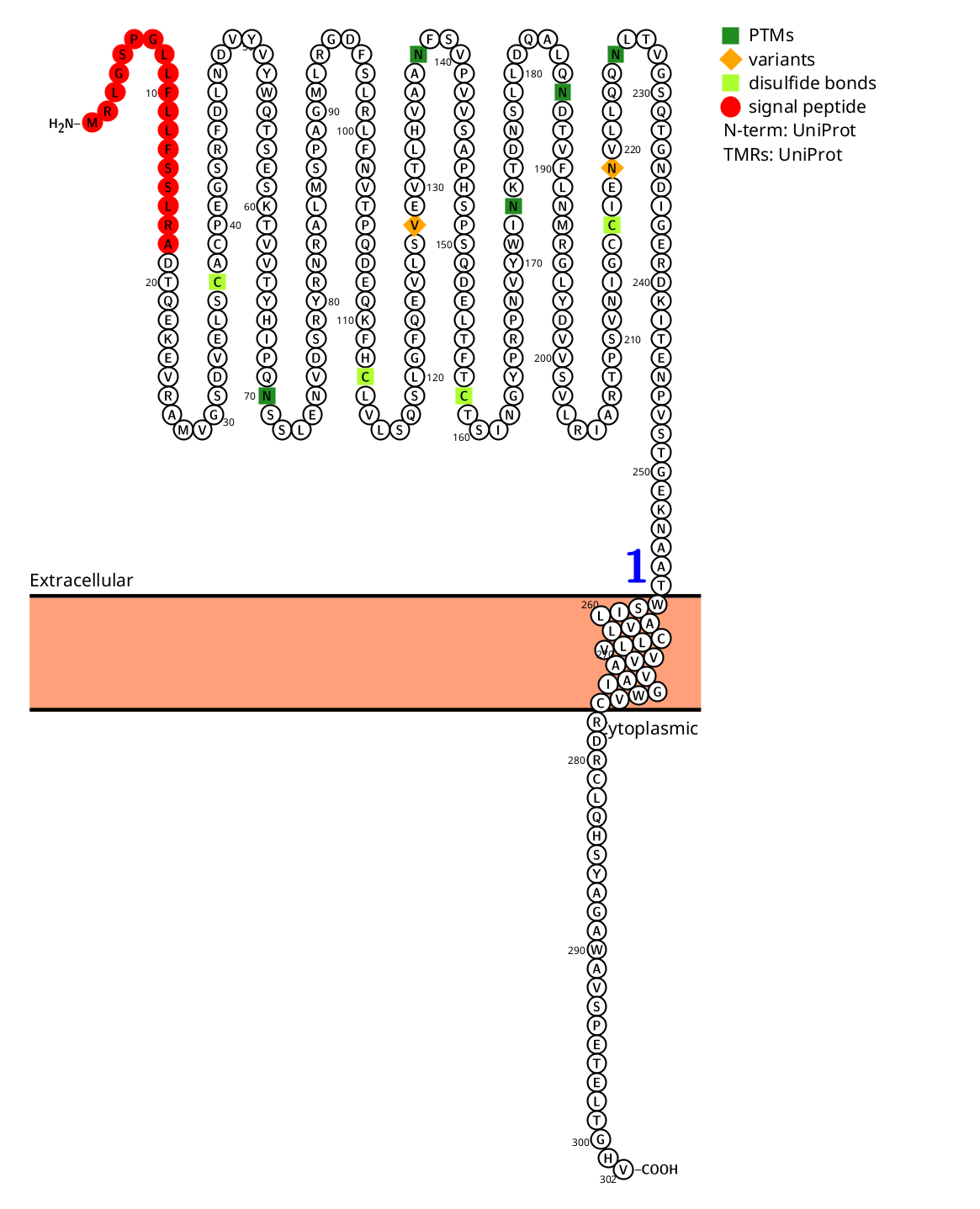
(Data source: uniprot)
ICOSL has been shown to interact with osteopontin (OPN), a multifunctional protein with cytokine-like and matrix-associated properties. The binding regions of ICOS and OPN on ICOSL do not overlap, evoking distinct, and often antagonistic, cellular responses. The ICOSL binding site on OPN spans an extension of the trypsin-binding site, including the OPN-N and OPN-C regions, while OPN binds to the proximal membrane region of the IgC domain of ICOSL. This binding site does not overlap with ICOS, which resides in the IgV domain.
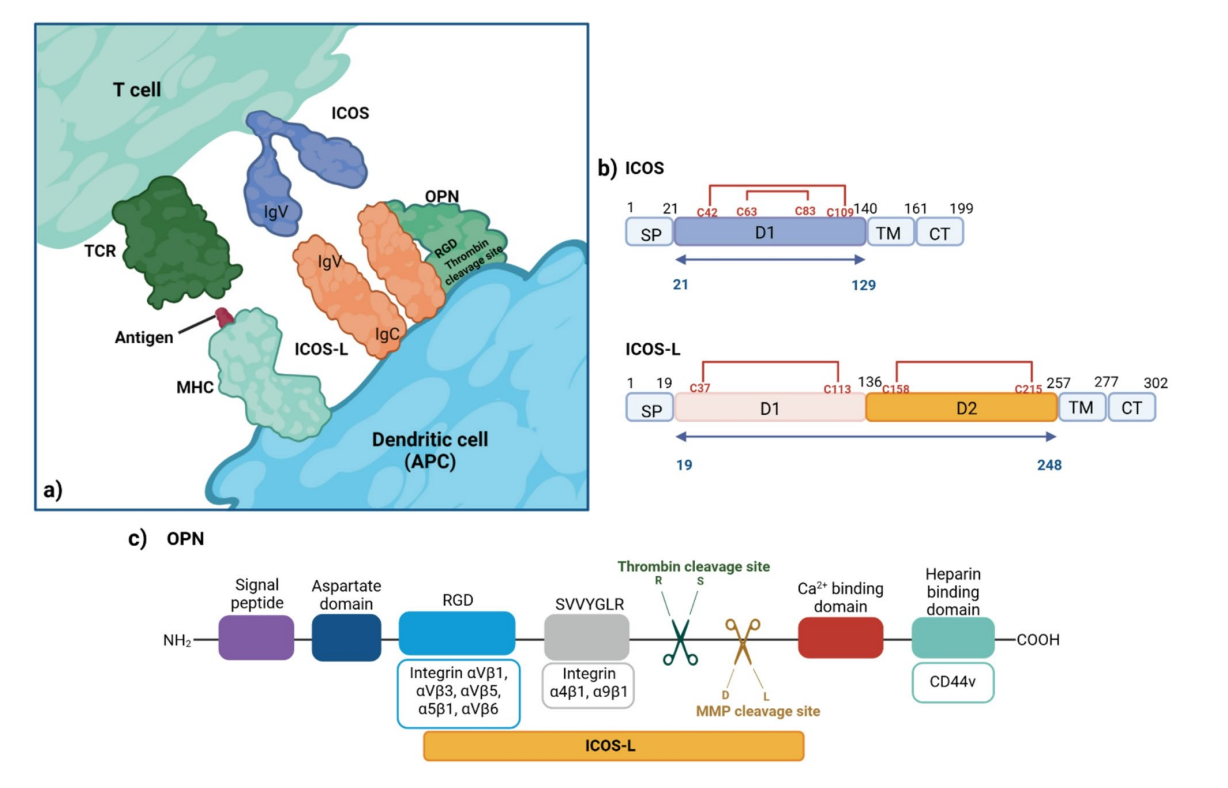
(Data source: Stoppa I, et al. Cell Commun Signal. 2025)
ICOSLG signal transduction regulation in tumors
Inducible T cell co-stimulatory ligand (ICOSL) (B7-H2) is expressed on antigen-presenting cells (APCs) and binds to the T cell receptor ICOS. The ICOS-ICOSL pathway activates anti-tumor signals (such as PKC-RACK1-JNK, NOD2, and p38) in APCs. While promoting T cell activation, it also exerts a dual effect by enhancing the cytotoxicity of CD8 + T cells or promoting the expansion of regulatory T cells (Tregs).
ICOSL+ tumor cells may also be influenced by the ICOS/ICOSL axis, and the newly discovered ligand OPN reveals a novel pro-tumorigenic mechanism of ICOSL. While ICOS-mediated ICOSL activation inhibits metastasis by suppressing epithelial-mesenchymal transition (EMT), OPN promotes tumor proliferation, migration, and angiogenesis. Furthermore, high levels of ICOSL expression are closely associated with poor prognosis, being linked to reduced overall survival (OS) and disease-free survival (DFS) in patients with cancers such as acute myeloid leukemia (AML), invasive breast cancer (BC), lung adenocarcinoma, and oral squamous cell carcinoma (OSCC).

(Data source: Luo Y, et al. Trends Cancer. 2025)
ICOSL deficiency reduces levels of chronic inflammatory markers, inhibits macrophage activation, limits fibrosis, and reduces OPN production. OPN deficiency reduces levels of chronic inflammatory markers, steatosis, fibrosis, and the extent of progression to hepatocellular carcinoma.
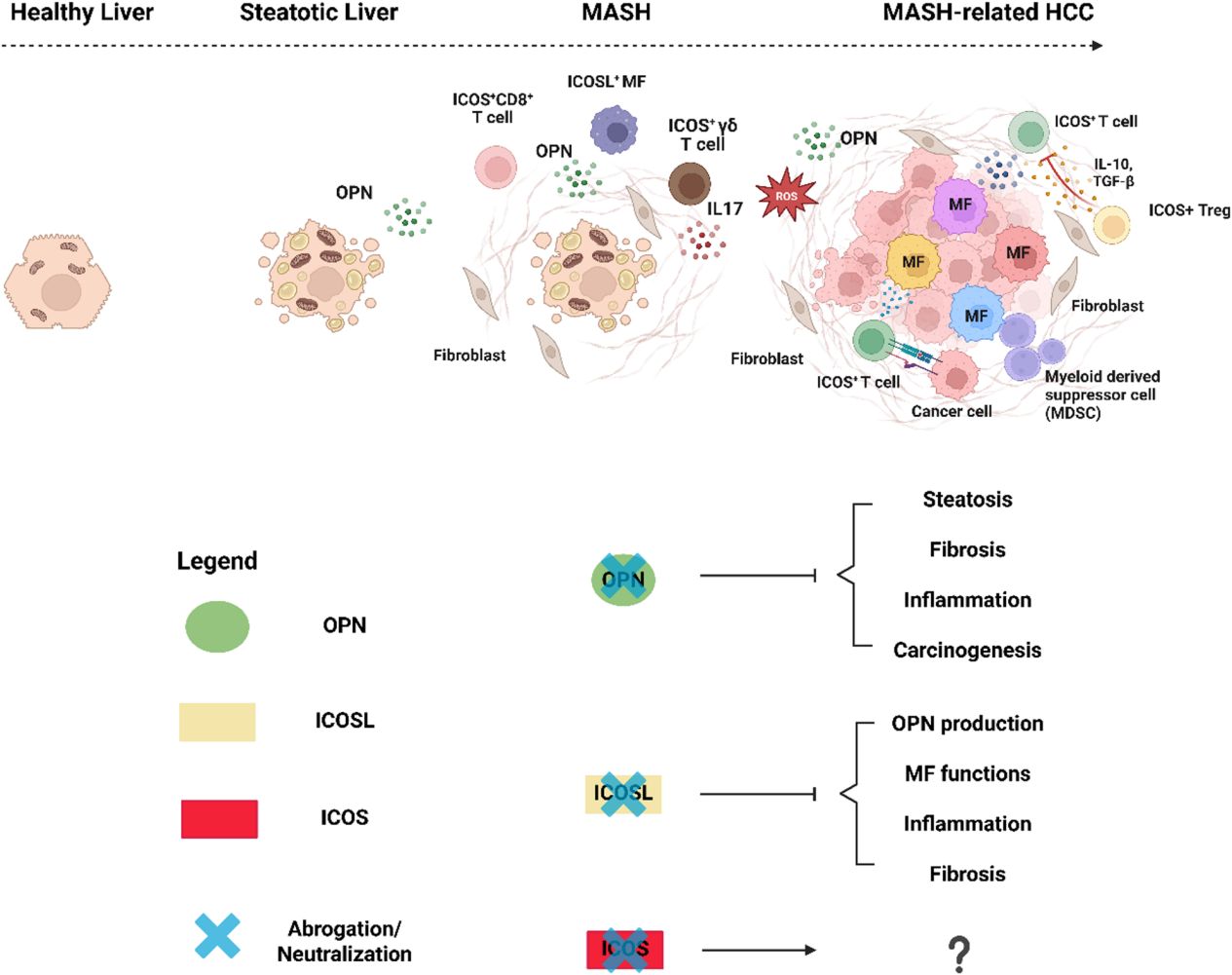
(Data source: Stoppa I, et al. Cell Commun Signal. 2025)
Targeted therapy for ICOSLG
Because ICOSL is a co-stimulatory ligand, there are currently only two registered studies targeting ICOSL, including a fully human ICOSL monoclonal antibody AMG 570 and a bispecific antibody (BsAb) that simultaneously targets ICOSL and B cell activating factor (BAFF).
Prezalumab is an IgG2 monoclonal antibody developed by Amgen that targets ICOSLG for the treatment of immune system diseases and eye diseases. Its highest development stage was Phase 2 clinical trials, which have since been terminated.
Rozibafuspα (AMG 570) is an antibody fusion protein developed by Amgen that targets ICOSL and BAFF, aiming to suppress excessive T cell and B cell activity in autoimmune diseases by dually blocking ICOSL and BAFF. ICOSL blockade inhibits Tfh cell production and the helper role of T cells on B cells. BAFF blockade inhibits B cell activation and maturation. NCT04058028 is a study investigating the efficacy and safety of AMG 570 in patients with active systemic lupus erythematosus (SLE).

(Data source: Abuqayyas L, et al. Clin Pharmacol Ther. 2023)