Lymphocyte antigen 6 (LY6G6D) is a member of the lymphocyte antigen 6 family and belongs to a cluster of leukocyte antigens located in the major histocompatibility complex (MHC) class III region on chromosome 6. Like most members of this family, LY6G6D is anchored to the cell membrane via glycosylphosphatidylinositol (GPI). LY6G6D may play a role in regulating tumor growth and immune evasion in colorectal cancer. The specific expression of LY6G6D in MSS colorectal cancer makes it a potential target for antibody-based therapies.
Expression distribution of LY6G6D
Under normal physiological conditions, LY6G6D expression is relatively limited. LY6G6D expression is associated with the microsatellite stable (MSS) and low microsatellite unstable (MSI-L) subtypes of colorectal cancer, which account for approximately 85% of all colorectal cancer cases and have low immunogenicity and poor response to checkpoint inhibitors. LY6G6D protein expression is associated with the MSS subtype and is expressed at higher levels in rectal cancer.
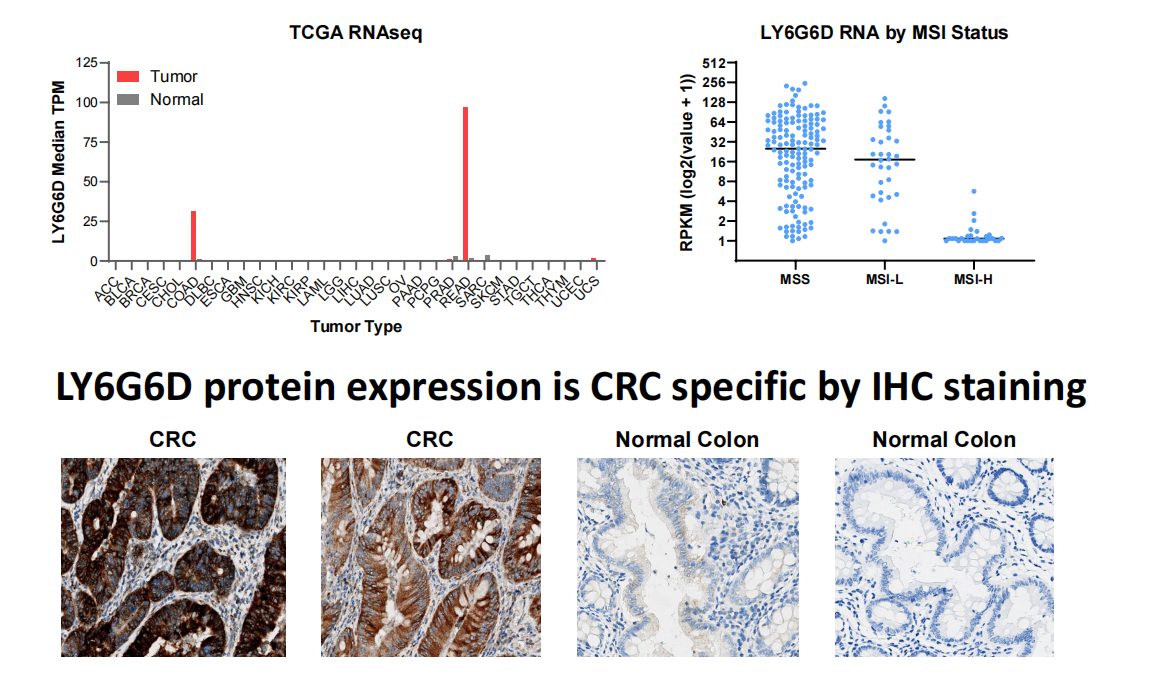
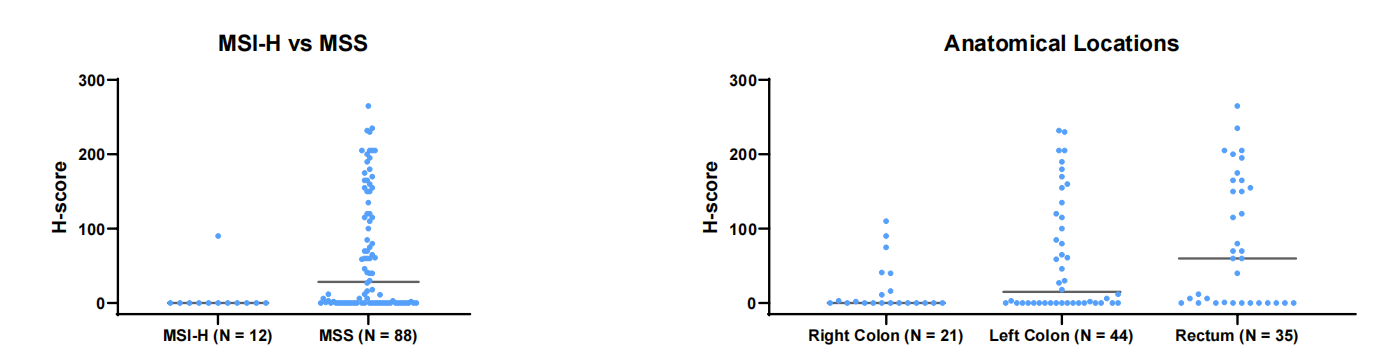
(Data source: qlsfbio official website)
Structure of LY6G6D
The LY6G6D gene is located in the major histocompatibility complex (MHC) class III region on the short arm (6p21.3) of human chromosome 6. LY6G6D consists of 133 amino acids and is a phosphatidylinositol (GPI)-anchored cell surface protein.
The core structure of LY6G6D is the LY6/uPAR domain (LU domain), which is the defining structural feature of the entire LY6 /uPAR superfamily. The LU domain is approximately 60-80 amino acids long, containing 10 conserved cysteine residues, forming a characteristic "tri-finger fold" structure through 5 pairs of disulfide bonds. LY6G6D also contains an immunoglobulin-like V-shaped domain. LY6G6D exists as a disulfide-linked homodimer.
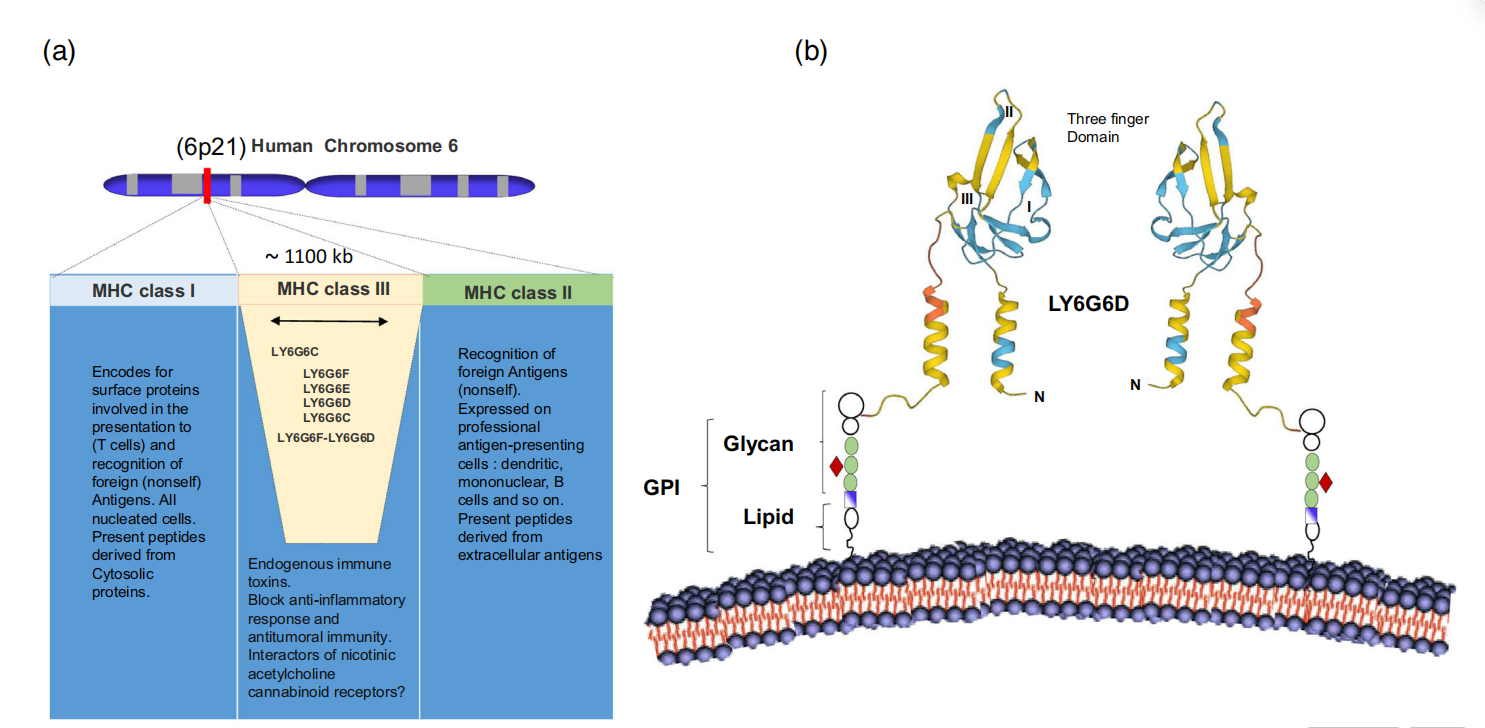
(Data source: Giordano G, et al. WIREs Mech Dis. 2024)
Targeted therapy of LY6G6D
LY6G6D is expressed in a significant proportion of colorectal cancer samples and can serve as a good target for T-cell adaptors, aiming to redirect T cells to colorectal cancer tumors, induce T-cell activation, and subsequently kill tumor cells. Bispecific T-cell adaptor antibodies (TcEs) have emerged as a promising antibody-based immunotherapy.
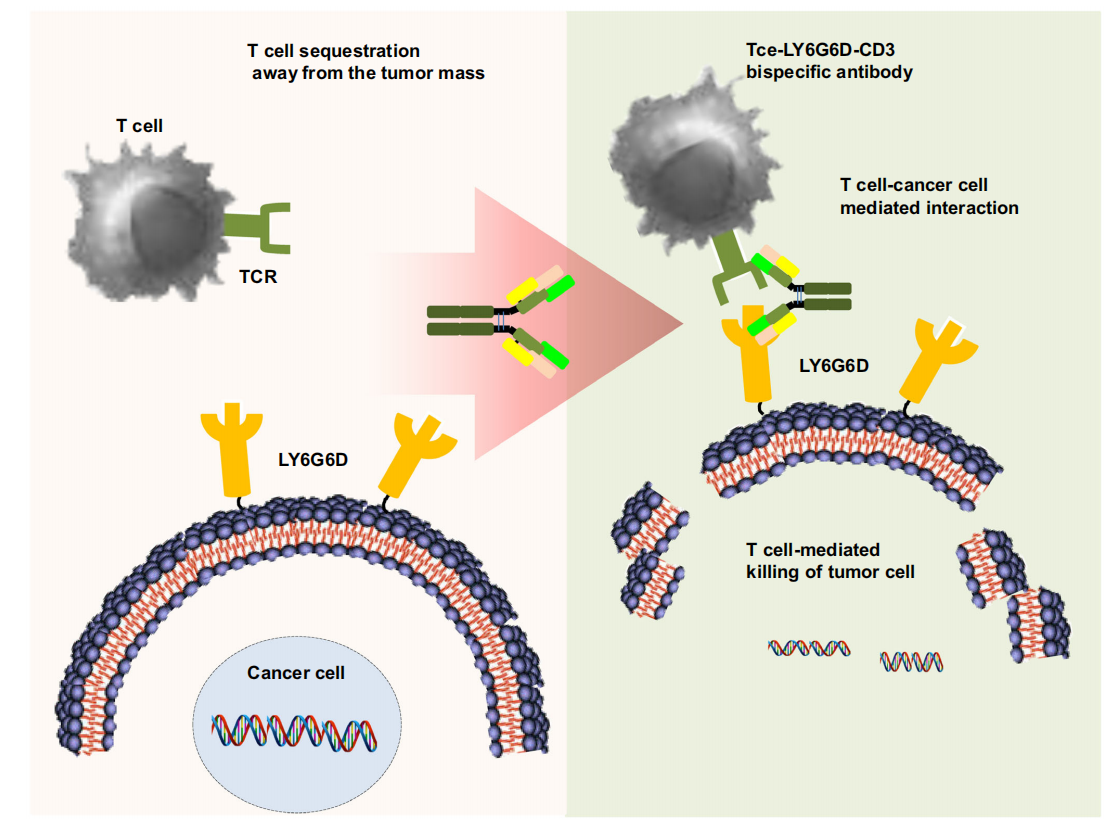
(Data source: Giordano G, et al. WIREs Mech Dis. 2024)
Genentech researchers developed a specific anti-LY6G6D/CD3 T-cell connector (TcE) and demonstrated its potent tumor cell killing and T-cell activation in vitro. LY6G6D-TDB is a bispecific antibody based on full-length IgG1, with one arm binding to human CD3ε on T cells and the other arm binding to the human LY6G6D antigen. The optimized LY6G6D-TDB targets the proximal membrane epitope of LY6G6D and has high affinity for CD3, exhibiting potent antitumor activity both in vitro and in vivo. In vitro functional assays showed that LY6G6D-TDB-mediated T-cell activation and cytotoxicity are conditional and target-dependent. In a mouse xenograft tumor model, LY6G6D-TDB demonstrated antitumor efficacy as a single agent against established colorectal tumors, and its efficacy was enhanced when combined with PD-1 blockade.
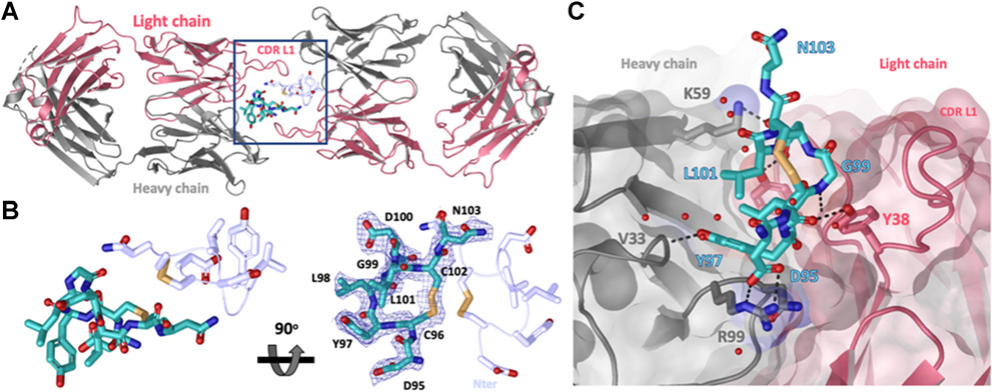
(Data source: Wang P, et al. Mol Cancer Ther. 2022)
QL-335 is a novel T-cell adaptor targeting MSS colorectal cancer with enhanced safety profile. QL335 has demonstrated highly potent and specific killing effects against LY6G6D-positive cancer cells both in vitro and in vivo. QL335 is currently undergoing a Phase I clinical trial to evaluate its safety and early efficacy.
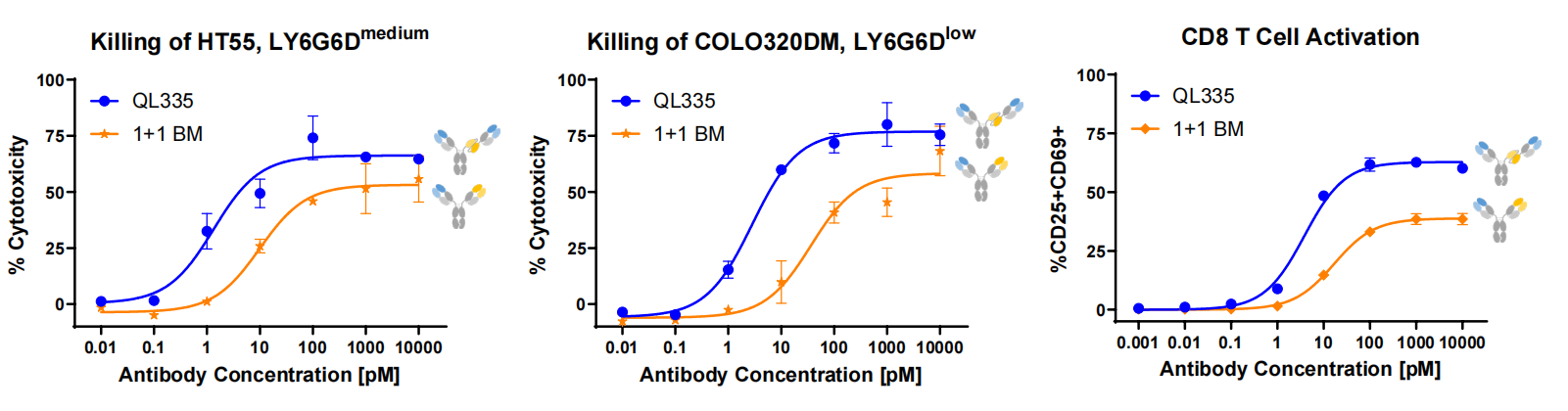
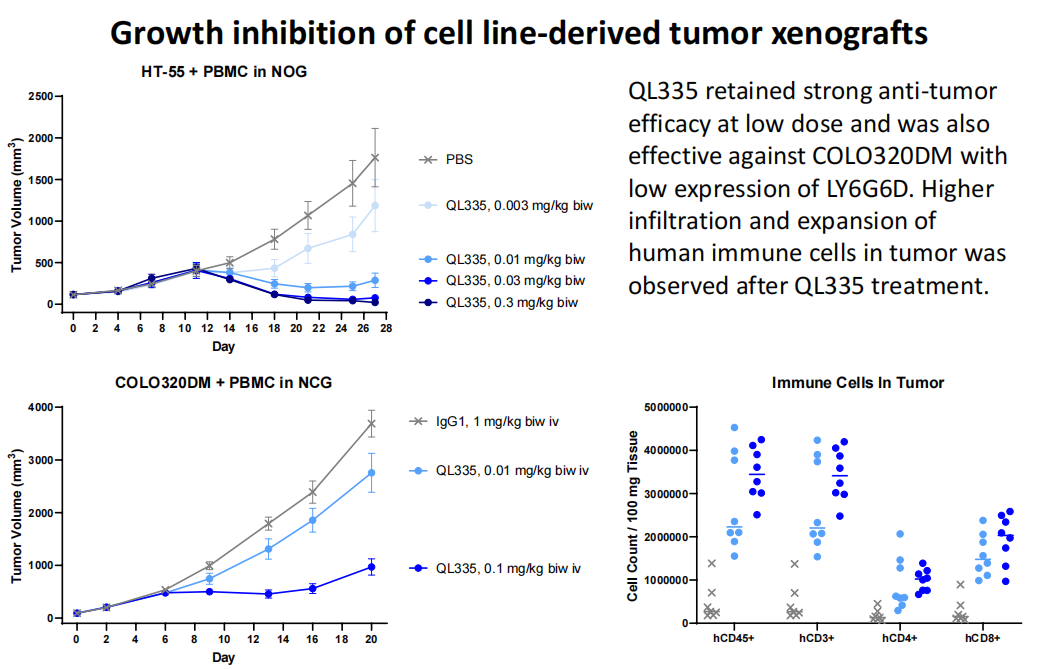
(Data source: qlsfbio official website)
CBI-1214 is the first clinical candidate developed using Cartography's proprietary ATLAS and SUMMIT platforms, a highly specific T-cell binder for the treatment of colorectal cancer. A Phase I, first-in-human (FIH) dose-escalation and dose-optimization study has been initiated in 2026 to evaluate the safety, tolerability, pharmacokinetics, and antitumor activity of CBI-1214 T-cell binder in patients with advanced or metastatic microsatellite stable (MSS)/low microsatellite instability (MSI-L) colorectal cancer (CRC).