KLK2 is a secreted serine protease, a prostate cancer tissue-specific protein regulated by androgen receptor ( AR ) signaling. KLK2 plays a crucial role in prostate cancer development and is associated with tumor invasion. Therefore, KLK2 is considered a potential biomarker for targeted therapy of prostate cancer and other hormone-related tumors, such as breast cancer.
KLK2 expression distribution
KLK2 is highly expressed primarily in prostate epithelial cells, especially prostate acinar cells, but its expression is extremely low or almost undetectable in normal non-prostate tissues. In prostate adenocarcinoma, its expression is almost ubiquitous in both local and castration-sensitive disease, and it remains highly expressed in metastatic castration-resistant prostate cancer (mCRPC).
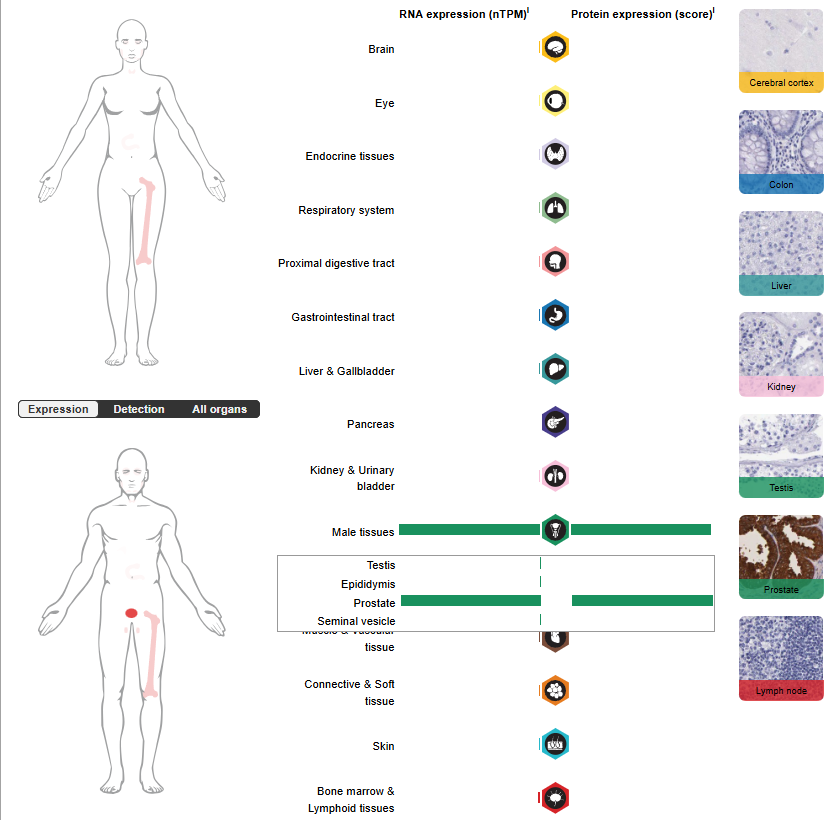
(Data source: uniprot)
KLK2 structure
KLK2 gene, located on human chromosome 19q13.33, encodes a serine protease with a typical His-Asp-Ser catalytic triplet. The mature KLK2 protein is oblate, containing two six-stranded β-barrel structures, five disulfide bonds, and the cis-Pro-219 and 310 helices characteristic of the kallikrein family. Its substrate-binding pocket S1 carries a distinct negative charge, while its dorsal side contains a positively charged region similar to thrombin anion-binding site II, which can interact with regulatory factors such as heparin, affecting its binding to protease inhibitors.
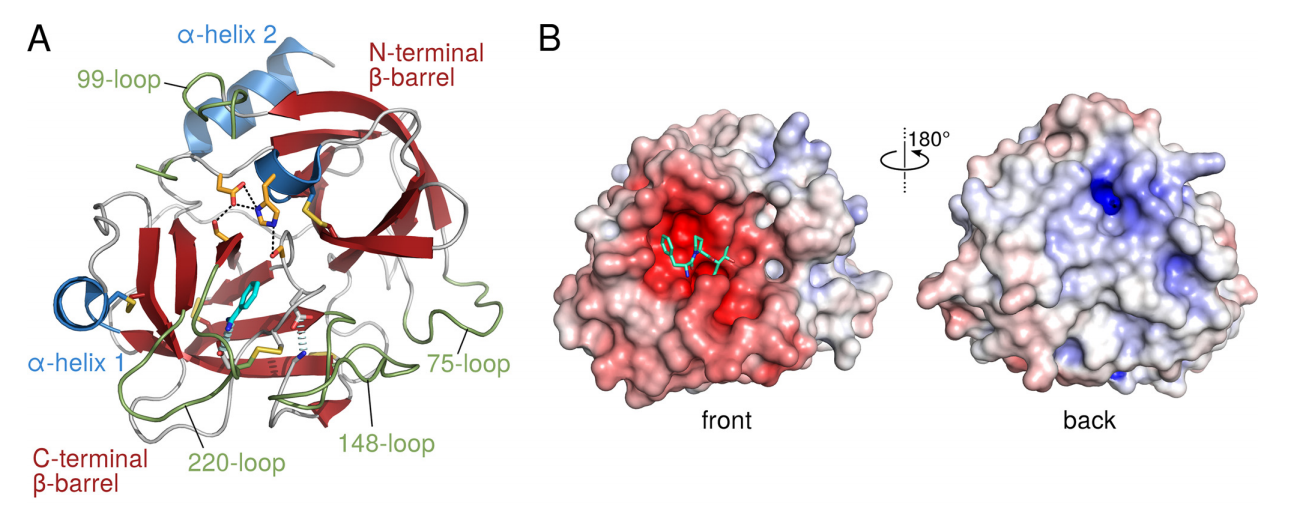
(Data source: Skala W) J Biol Chem. 2014)
The role of KLK2 in cancer
Activation of PSA precursor: KLK2 can cleave the N-terminal peptide chain of proPSA, promoting the formation of mature PSA, thereby enhancing the PSA-related protein hydrolysis network.
Promotes cell proliferation: KLK2 can activate the protease-activated receptor PAR2, thereby triggering downstream signals such as ERK1/2 and promoting the proliferation of prostate cancer cells.
Enhanced invasion and metastasis potential: By degrading matrix components, regulating cell adhesion and microenvironment remodeling, KLK2 helps tumor cells migrate, invade and spread to distant sites.
Enhanced AR signaling: KLK2 can synergistically enhance AR transcriptional activity with AR co-regulatory factors, forming a positive feedback loop that promotes tumor progression.
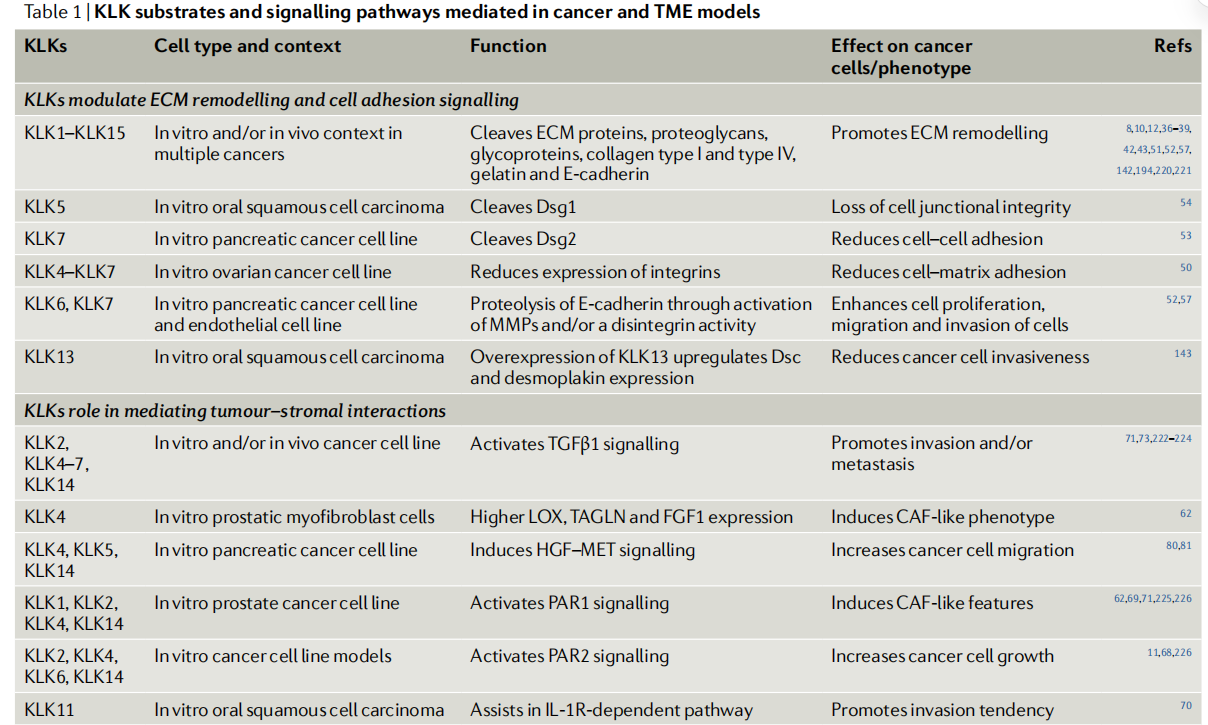
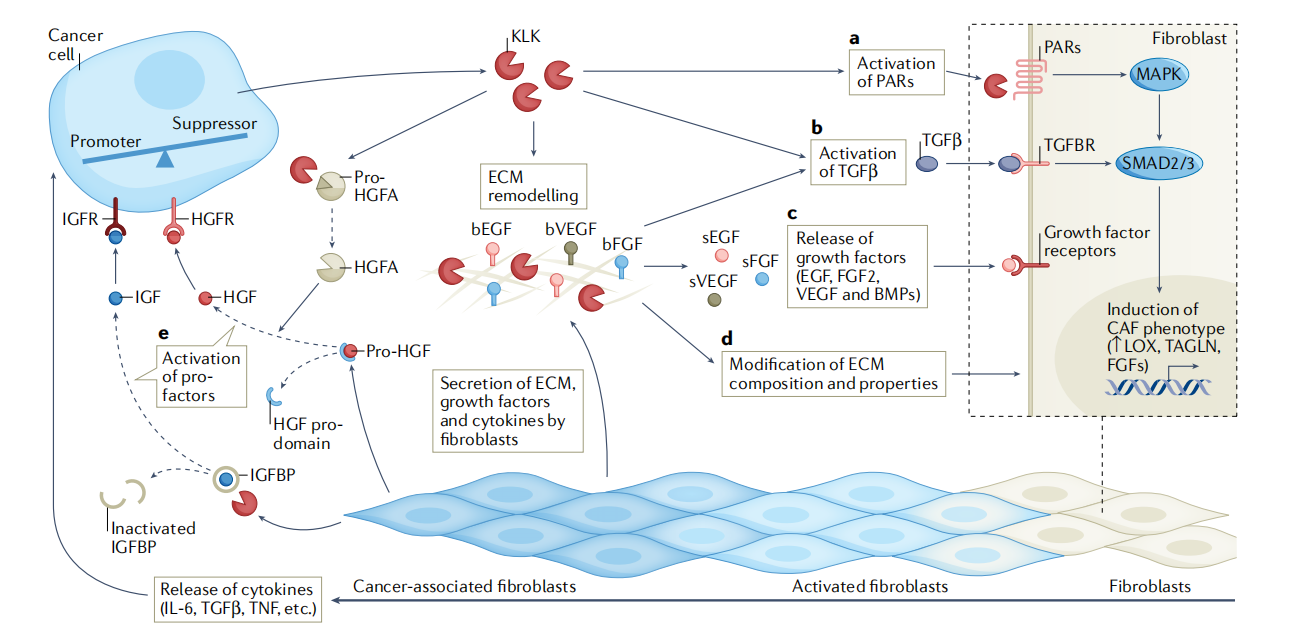
(Data source: Srinivasan S, et al. Nat Rev Cancer. 2022)
KLK2 targeted therapy
KLK2 is a potential new target for prostate cancer treatment, and various treatment strategies targeting KLK2 are being accelerated, such as radioligand therapy (RLT), bispecific antibodies, and small molecule drugs.
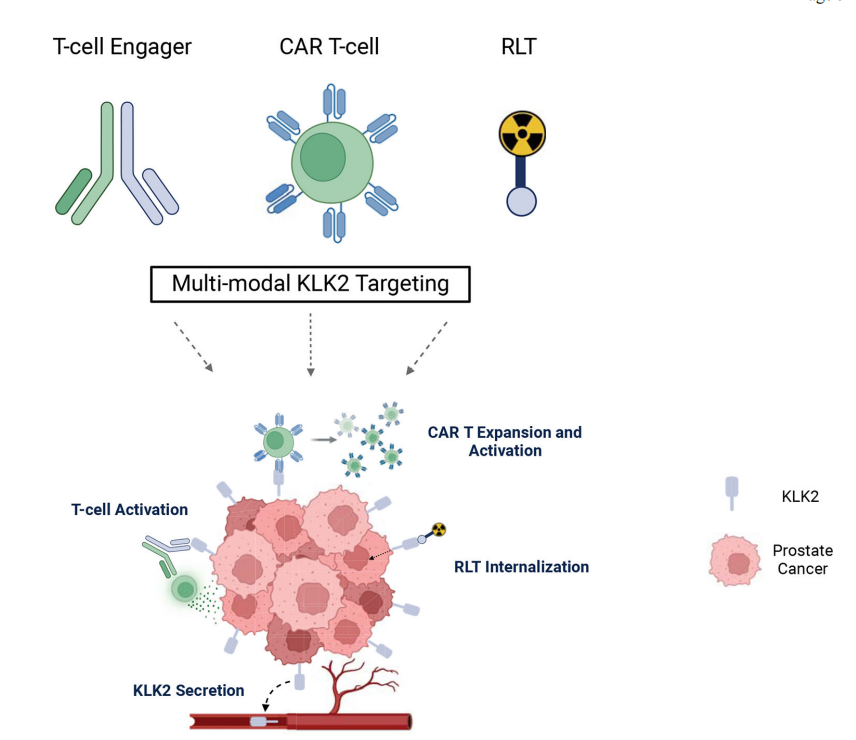
(Data source: Blinka S, et al. Clin Cancer Res. 2025)
Pasritamig (JNJ-78278343) is a first-in-class bispecific T-cell redirection antibody developed by Johnson & Johnson targeting KLK2. It binds simultaneously to the KLK2 receptor complex on prostate cancer cells and the CD3 receptor complex on T cells, leading to T-cell activation and subsequent lysis of cancer cells. In a Phase I study (NCT04898634), dose-escalation and expansion studies in patients with mCRPC evaluated the safety, pharmacokinetics (PK), pharmacodynamics (PD), and preliminary antitumor activity of pastritamig.
Pasritamig exhibits a favorable safety profile with an extremely low incidence of CRS (cytokine release syndrome), making it safe for administration in outpatient settings. Preliminary antitumor activity demonstrates proof-of-concept potential for KLK2 as a PC target, warranting further development of pastritamig.
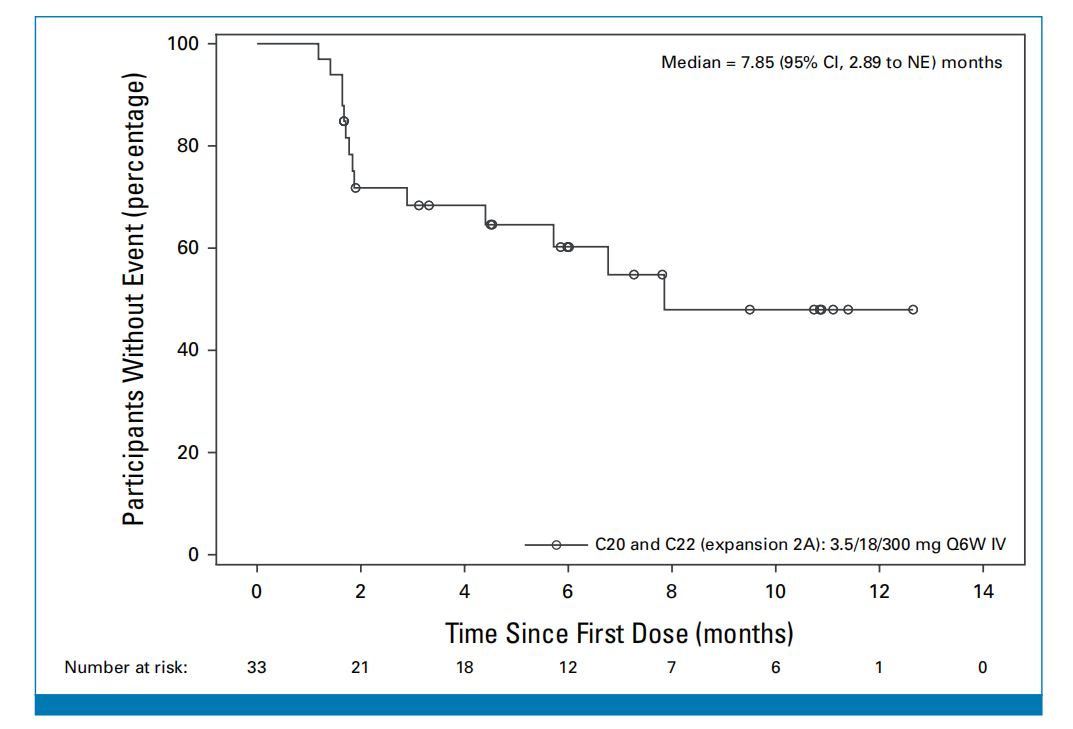
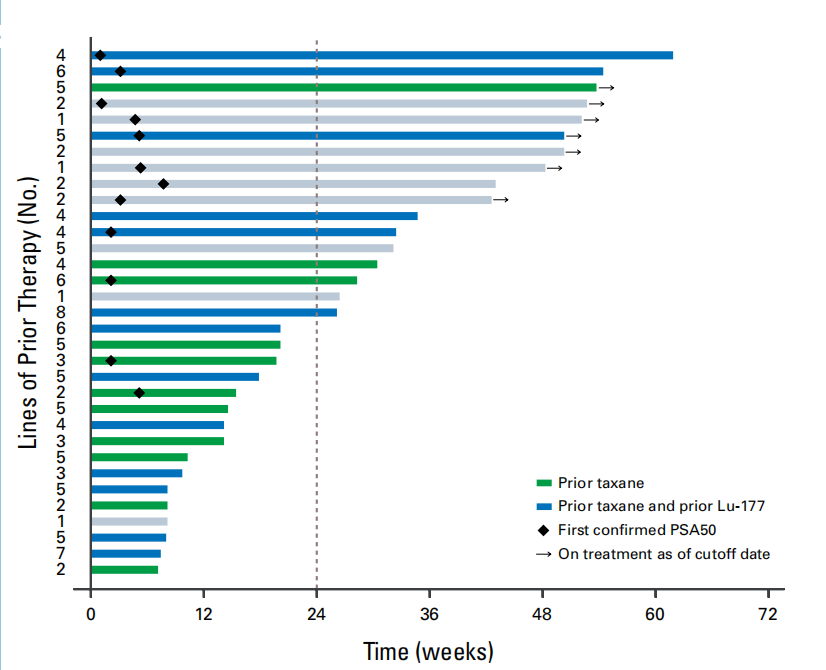
(Data source: Stein MN, et al. J Clin Oncol. 2025)
In February 2026, Johnson & Johnson announced preliminary results from a Phase Ib study evaluating the efficacy of JNJ-78278343 in combination with docetaxel for the treatment of patients with metastatic castration-resistant prostate cancer. Pharmacokinetic analysis showed that, with a dosing regimen of 300 mg every 6 weeks in combination with docetaxel, serum PAS concentrations measured before dosing and at the end of the infusion were approximately equivalent to trough concentrations and Cmax levels (N=50), comparable to those observed with PAS monotherapy, indicating no clinically significant drug-drug interactions. This combination therapy regimen demonstrated a safety profile consistent with docetaxel monotherapy, with no new or unexpected safety signals observed. The regimen also demonstrated clinically significant efficacy, including a high prostate-specific antigen (PSA) response rate and sustained PSA reduction, supporting its continued development and advancement to a Phase III study.

(Data source: urotoday official website)