Background
Recombinant proteins have wide applications in food, biomedicine, and science. Prokaryotic expression systems are the preferred platform for recombinant protein production due to their rapid growth and high protein yield. However, the difference between the recombinant expression environment and natural physiological conditions often leads to protein misfolding, resulting in aggregation into non-functional inclusion bodies or proteolytic degradation.

In January 2026, the Key Laboratory of Food Science and Resources of the Ministry of Education at Jiangnan University published an article in Bioresour Technol entitled "Optimizing protein folding in prokaryotes: Strategies to enhance soluble expression of recombinant proteins." This article introduced two complementary solutions: intrinsic molecular redesign (truncation, rational design/directed evolution, ancestor reconstruction, and atavistic mutation) and exogenous folding regulation (molecular chaperone overexpression, addition of chemical chaperones, and fusion tag inclusion), and analyzed their mechanisms. The article systematically summarized relevant methods for optimizing protein folding. By emphasizing the combination of mechanistic research and practical case studies, and a forward-looking approach that combines AI-driven folding prediction with high-throughput screening platforms, the article aimed to enhance the correct folding of recombinant proteins in prokaryotic expression systems and promote their soluble expression.

Molecular modification of recombinant proteins
Various molecular modification methods have been developed, including truncated expression, rational design, directed evolution, and emerging ancestral sequence reconstruction techniques; these methods can improve folding efficiency by modulating interactions between structural domains, surface physicochemical properties, or evolutionary pathways.
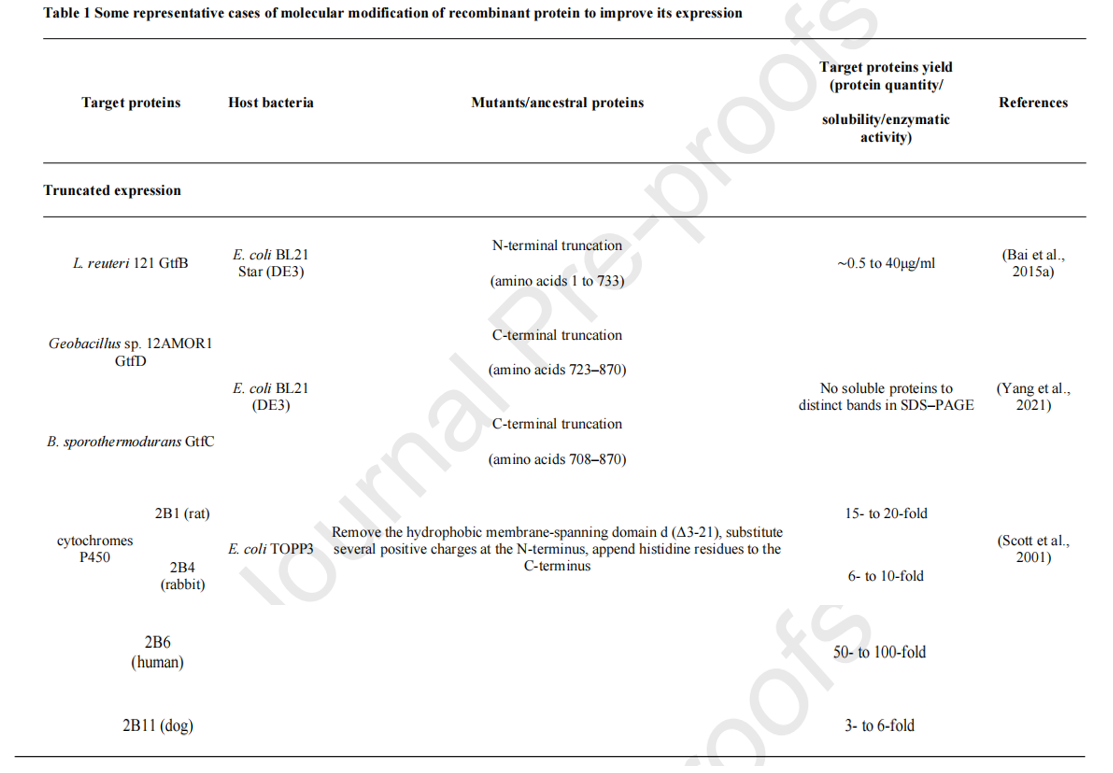
Truncated expression- Proteins with a single domain are more likely to be successfully expressed compared to larger multi-domain proteins. High-molecular-weight proteins with multiple domains and complex structures tend to form inclusion bodies. Some domains or regions may not be tightly integrated with other domains, and their impact on catalytic performance is relatively limited; removing these regions can lower the energy barrier, reduce the conformational selection space during folding, thereby simplifying the folding process, promoting the formation of stable structures, and improving folding efficiency. Constructing truncated mutants of multi-domain proteins has proven to be an effective strategy for improving the folding quality and solubility of recombinant proteins.

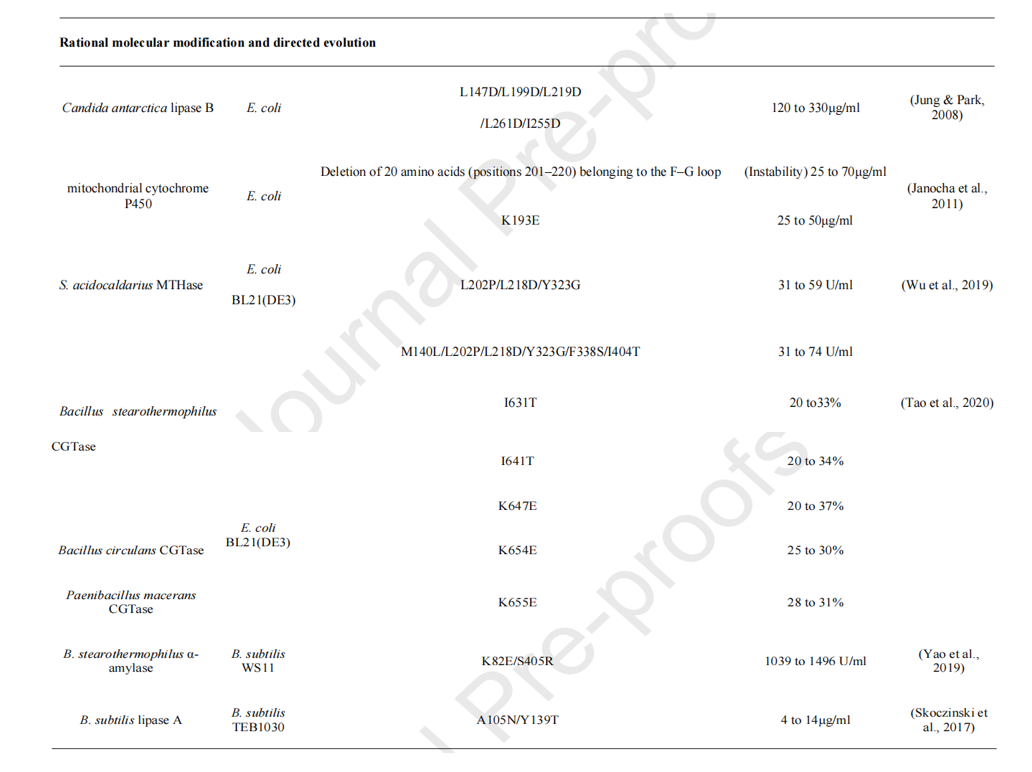
Engineered regulation of conformational dynamics and surface properties: Rational design methods primarily rely on sequence alignment analysis of protein families, prediction of sites or regions that may hinder protein folding and structural stability, and molecular modifications to improve the solubility and yield of recombinant proteins. Converting non-conserved amino acid residues in proteins to conserved amino acid residues helps stabilize protein structure and improve its soluble expression level. Targeted modifications to β-sheet regions (e.g., enhancing hydrogen bonding or electrostatic repulsion) can effectively reduce aggregation.

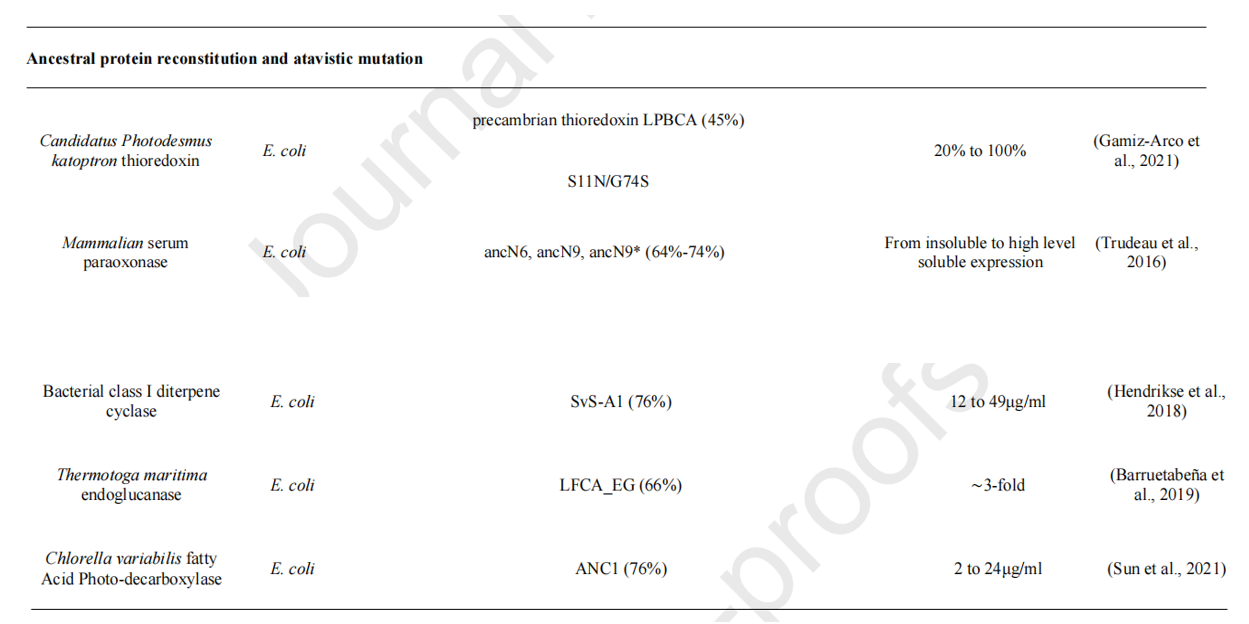
Ancestor sequence reconstruction (ASR) technology: Ancestor sequence reconstruction (ASR) technology provides a new approach to enhancing protein folding autonomy.
An evolutionary solution. This method, through phylogenetic and bioinformatics analysis, can infer plausible ancestral sequences from known extant sequences. Ancestor proteins depend on autonomous folding (independent of molecular chaperones), while modern proteins co-evolve with host-specific molecular chaperone systems, leading to reduced heterologous expression efficiency. Researchers have developed a "reversion mutation" strategy: by identifying regions of low folding efficiency in modern proteins through computational simulations (e.g., the WakoSaito-Munoz-Eaton (bWSME) model), ancestral mutations are then introduced to precisely locate these folding defects, and the ancestral autonomous folding ability is restored by minimizing the ancestral mutation.

Overexpression of molecular chaperones
Prokaryotes have evolved a multi-layered molecular chaperone system, forming a three-dimensional quality control system encompassing everything from ribosome-associated chaperone proteins to the periplasmic folding network. This system plays a crucial role in maintaining protein homeostasis by stabilizing nascent polypeptides, dissociating misfolded intermediates, and preventing the formation of toxic aggregates.
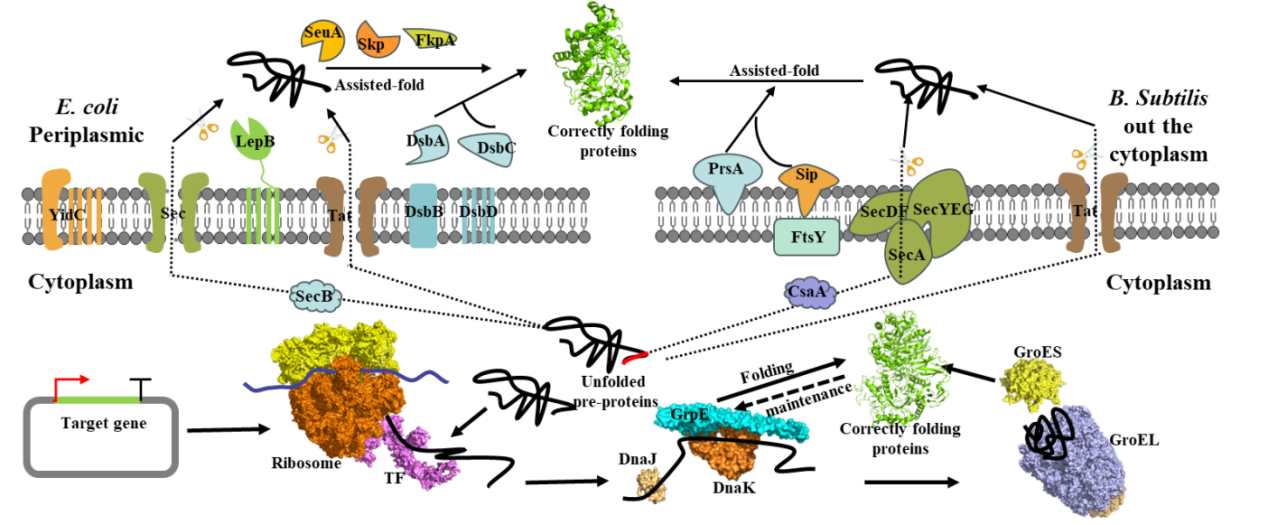
Cytoplasmic molecular chaperone systems: ribosome-associated triggering factor (TF), ATP- dependent DnaK-DnaJ-GrpE (KJE) complex, and GroEL-GroES (ELS) system.
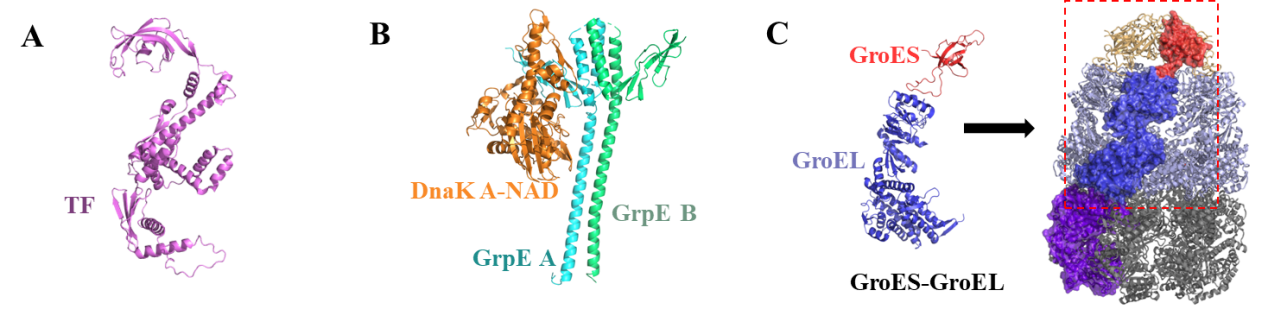
Extracellular molecular chaperone system: In the periplasmic space of Escherichia coli, SurA and FkpA have dual functions: they can act as peptidyl - prolyl isomerases ( PPIases ) and as molecular chaperones.
The extracellular molecular chaperone protein of Gram-positive bacteria (such as Bacillus subtilis) is PrsA lipoprotein, which belongs to the parvulin-type PPI enzyme family. This protein is anchored at the interface between the cell membrane and the cell wall, and its function is to promote the folding and maturation of secretory proteins.
Engineered molecular chaperone systems: Modifying molecular chaperone proteins is an effective strategy to improve the folding efficiency of exogenous proteins, but these modified molecular chaperones may only be effective for specific exogenous proteins exhibiting defects. This limitation stems from the fact that targeted modification alters the structure and function of molecular chaperones, which are typically optimized to assist in the folding of specific proteins. However, this specificity may also impair their ability to promote the folding of other proteins.
Molecular chaperones: Specificity, compatibility, and host burden: While co-expression of molecular chaperones can enhance the folding efficiency and yield of target proteins, this strategy still relies primarily on empirical optimization rather than predictive design. Evolutionarily evolved chaperone proteins maintain a delicate balance between substrate specificity and functional polymorphism, a core mechanism of cellular protein homeostasis.
While engineered chaperone protein variants can assist in the folding of exogenous proteins, their substrate applicability is often limited, frequently effective only for specific target proteins. Furthermore, expression level mismatches can disrupt the host's own folding network, potentially triggering protein toxicity stress. Therefore, precise regulation of expression dynamics is crucial for maximizing folding assistance while minimizing intracellular resource competition and off-target interactions.
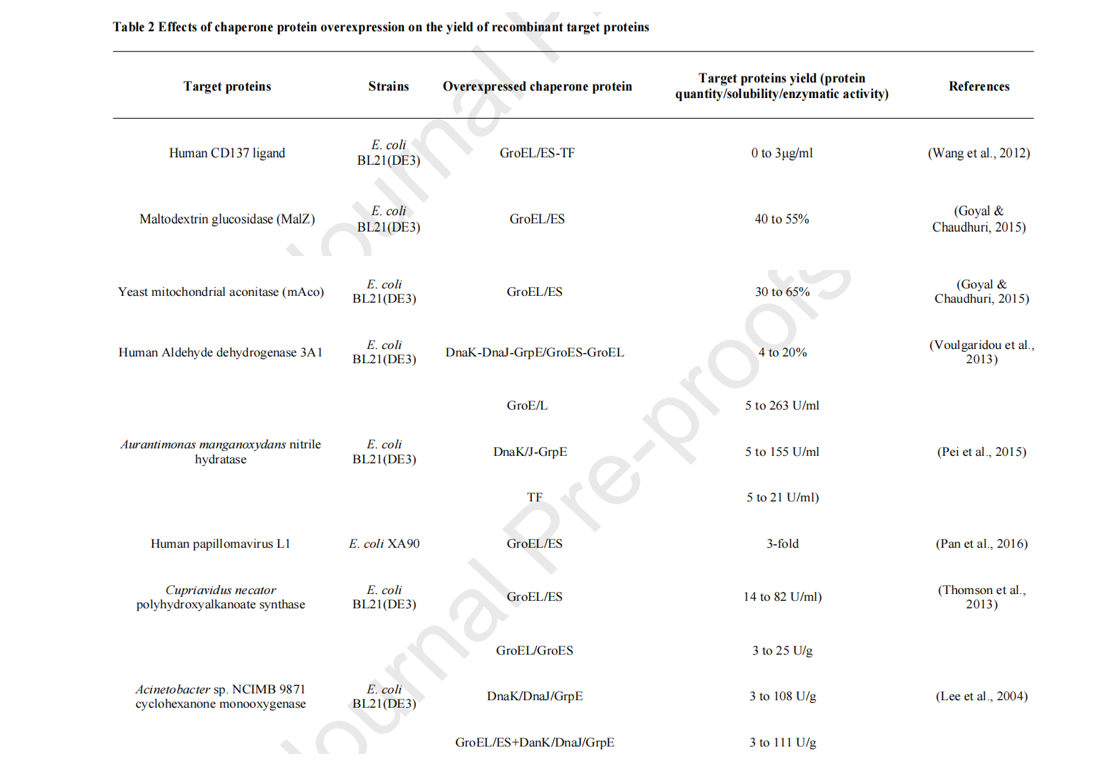
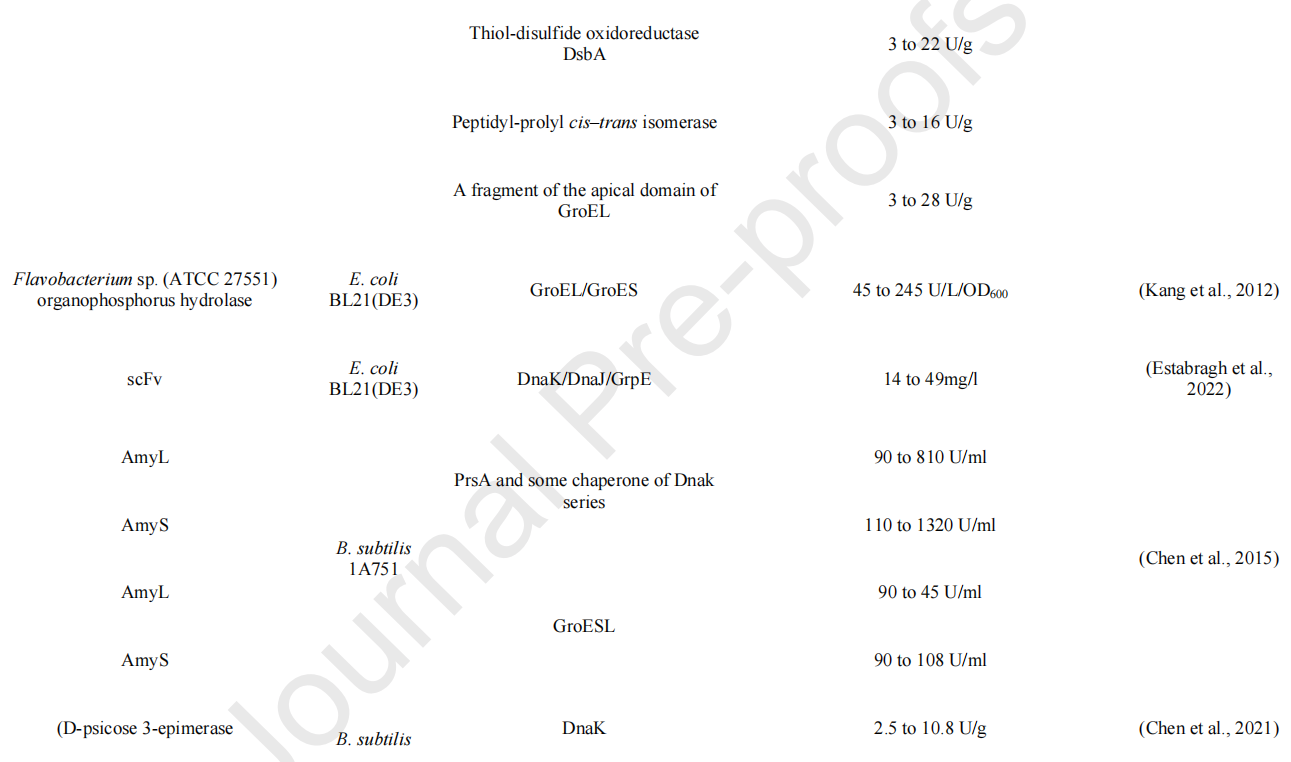
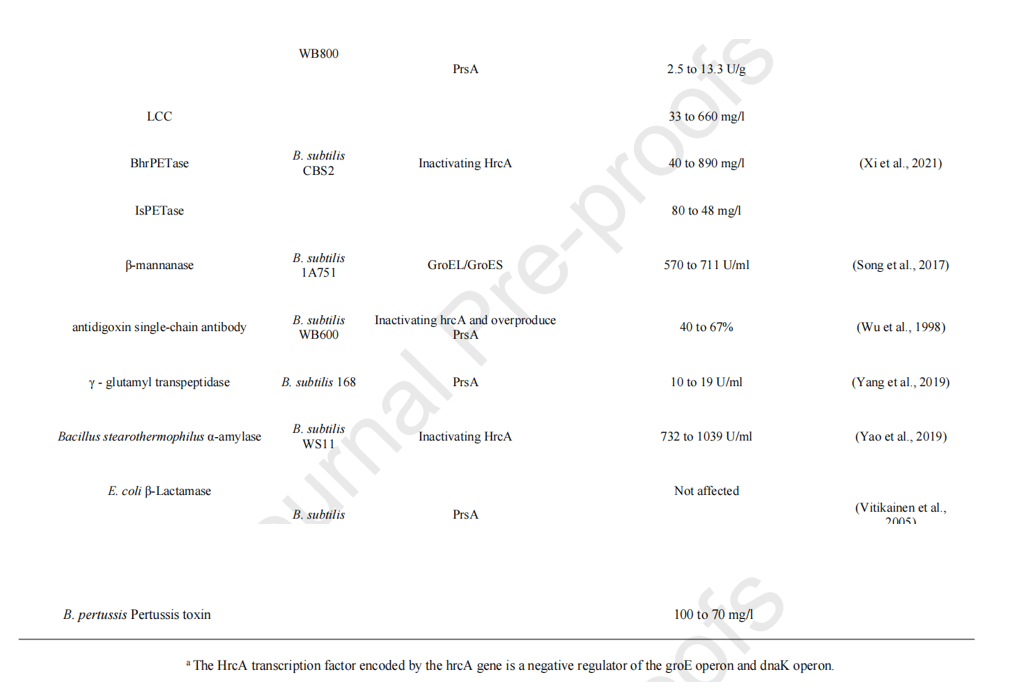
Adding chemical chaperones to the culture medium: Chemical chaperones are small molecule compounds that promote protein folding by modifying the intracellular folding environment. Adding chemical chaperones to the culture medium reduces the aggregation of folding intermediates and helps form stable native conformations. For example, polyols inhibit aggregation and stabilize conformation; glycine betaine (betaine), K-glutamic acid, and trehalose act as osmotic stabilizers to maintain the structural integrity of native proteins. Introducing specific cofactors and cometallic ions is crucial for the precise folding and stability of proteins, helping to maintain their correct conformation and preventing the formation of insoluble aggregates. The combined use of chemical chaperones is generally more effective than using additives alone.


Recombinant protein expression using fusion tags
Fusing a tag (protein or peptide) with a target protein can enhance protein folding, solubility, and yield through a variety of mechanisms, including the role of the folding core, the role of intramolecular chaperones, the recruitment of chaperone proteins, and the enhancement of electrostatic repulsion.
Classic protein tags: MBP; SUMO; GST; NusA ; TrxA , etc.
Emerging protein tags: Mistic ; Halo-Tags; tandem fusion " Spy " tags; XXA fusion tags
Target protein - protein tag compatibility screening: The effectiveness of protein tags is highly dependent on the specific target protein. Some tags exhibit superior performance on specific proteins, or are effective only on a limited number of proteins. Furthermore, target proteins may respond differently to different fusion tags, and the same fusion tag may produce different effects in different host strains.
Enzymatic digestion of fusion tags: such as that of tobacco etch virus (TEV) protease, enterokinase, factor Xa, and thrombin, offers several advantages, including high efficiency and preservation of the native N-terminal structure. The unique mechanism of action of the SUMO protease scUlp1 in *Saccharomyces cerevisiae* lies in recognizing the tertiary structure of SUMO rather than its sequence, thereby releasing the true target protein. Proteolysis can fail due to steric hindrance or aggregation. Even if cleavage is successful, the released target protein may lose its solubility.
The phenomenon is usually attributed to "soluble aggregates": proteins that remain in solution through interaction with dissolution tags but lack the native correct folded state.
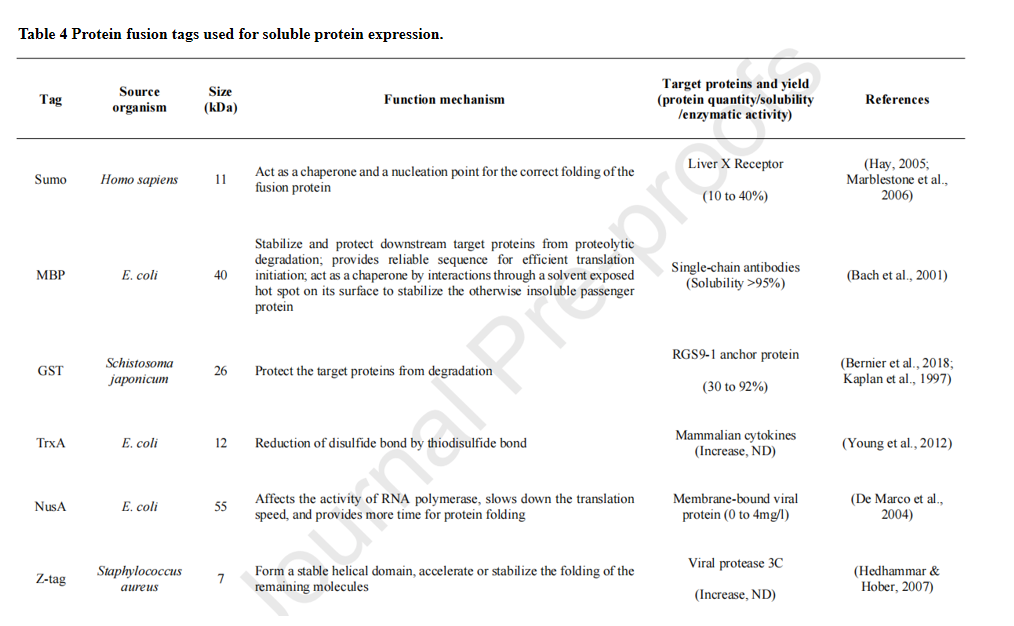

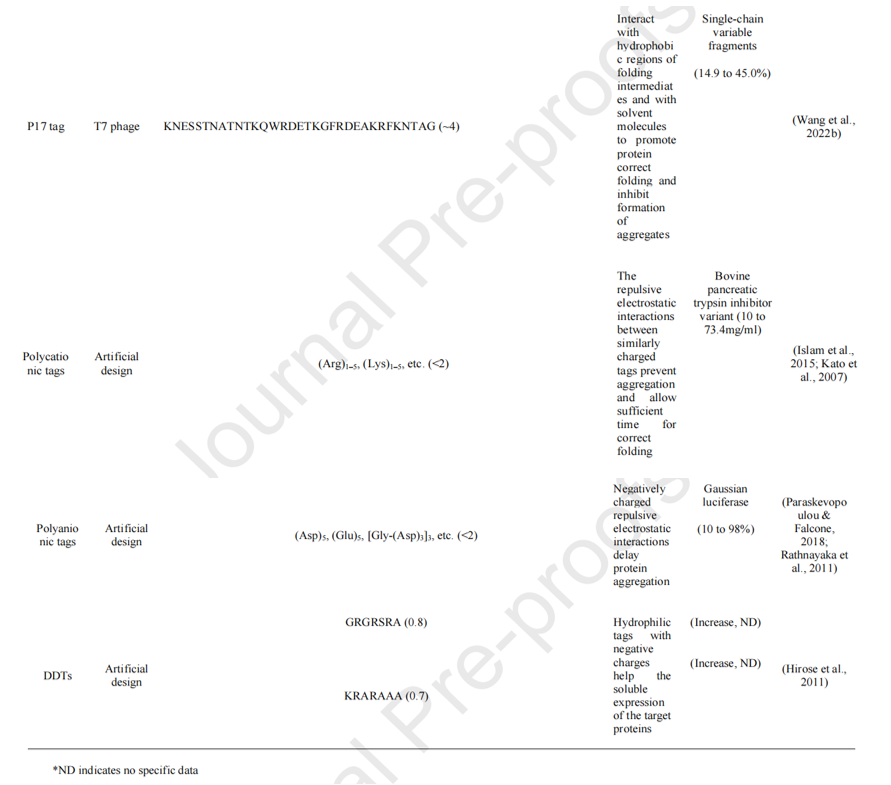
Peptide tags: Besides protein fusion tags, short peptide tags are also widely used to improve the solubility of target proteins. These short peptide tags are typically composed of amino acid residues with specific polarity, positive or negative charge. Due to their small size and repetitive amino acid composition, the fusion of short peptide tags usually has minimal impact on protein structure or activity, eliminating the need for cleavage and removal. Furthermore, compared to larger tags, short peptide tags can reduce the metabolic burden on the host. Common short peptide tags include NEXT and P17.
Although fusion tag technology has revolutionized recombinant protein production systems, its successful application largely depends on a systematic analysis of the biophysical properties of the target protein and the biological characteristics of the host organism. First, the inherent biophysical properties of the target protein, such as surface charge distribution, hydrophobic core region, and folding energy barrier, determine the tag selection strategy.

Artificial intelligence and high-throughput technology
Artificial intelligence (AI), high-throughput automation, and multi-omics data is revolutionizing strategies for improving the solubility of recombinant proteins in prokaryotic systems. AlphaFold2 and RoseTTAFold have demonstrated higher accuracy in structure prediction. Emerging models such as trRosetta identify clustering regions in multi-domain proteins by simulating dynamic folding paths and can perform targeted modifications to improve the folding efficiency of recombinant proteins. For example, ProtSolM, which integrates physicochemical properties, amino acid sequences, and protein backbone structure information, can improve solubility prediction capabilities. PLM_Sol utilizes an improved dataset and introduces an additional classification layer into protein language models (PLMs) to optimize solubility prediction results.
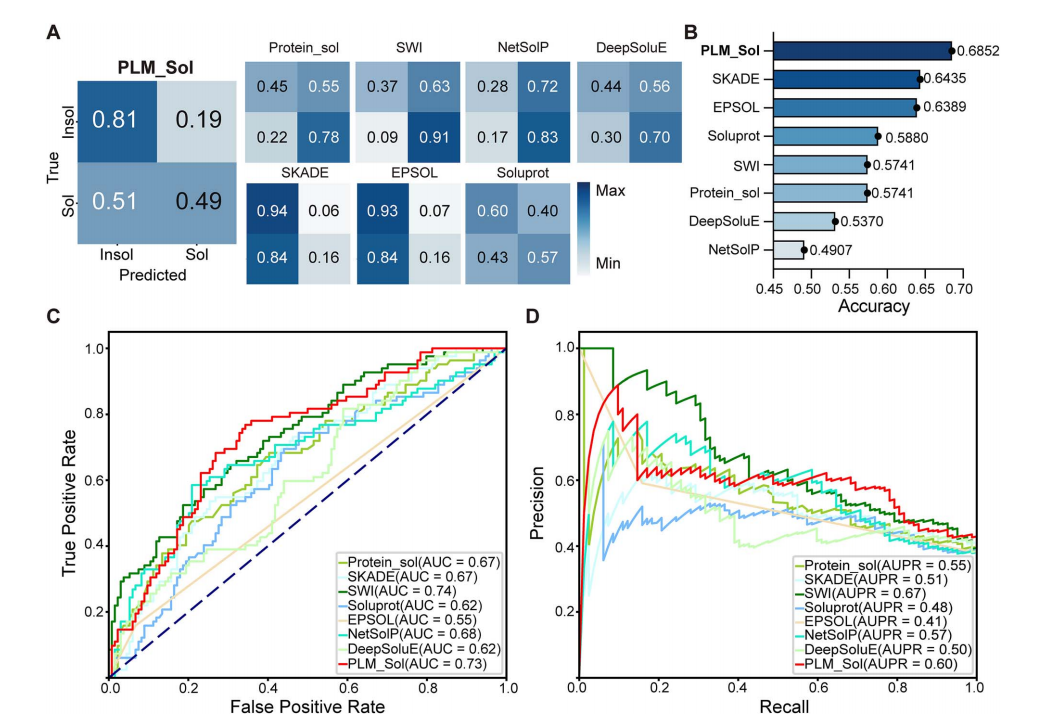
(Data source: Zhang X, et al. Brief Bioinform. 2024)
Comparison and selection of different strategies
In prokaryotic systems, various strategies are employed to improve the solubility of recombinant proteins, including molecular modification, chaperone co-expression, chemical chaperones, fusion tags, and AI-driven technologies. Each strategy has a unique mechanism of action, advantages, and limitations. The effectiveness of all optimized strategies is highly dependent on the characteristics of the target protein, the host system, and application requirements; there is no "universal approach." The characteristics of the target protein, such as molecular weight, domain complexity (multi-domain vs. single-domain), presence of disulfide bonds, intrinsic disorder, cofactor requirements, and evolutionary origin (eukaryote vs. prokaryote), significantly influence the choice of strategy.


Summary
Molecular modification, chaperone protein co-expression, chemical chaperones, fusion tags, and AI-driven technologies—these methods for promoting protein expression collectively aim to overcome the fundamental challenge of protein misfolding, that is, transforming insoluble aggregates into functionally active conformations. However, the complex sequence-environment-folding relationship limits the accuracy of predictions. Therefore, developing predictive models that can link amino acid sequences, microenvironment, and folding outcomes, and combining them with high-throughput screening and AI-driven design techniques, is crucial for achieving efficient and rational protein engineering to meet the growing demand for complex biopharmaceuticals.