The IL-17 receptor family currently consists of five main members: IL-17RA, IL-17RB, IL-17RC, IL-17RD, and IL-17RE. Among them, IL-17RA and IL-17RB, as key members of this family, mediate diverse biological functions by recognizing different ligands. Interleukin-17 receptor A (IL17R) is the receptor for IL17A and IL17F and is a major effector cytokine of the innate and adaptive immune systems involved in antimicrobial host defense and maintaining tissue integrity. IL-17RA is the most common receptor to form heterodimeric complexes with other subunits. The IL-17RA/IL-17RB complex binds to the IL-17E ligand, while IL-17A and IL-17F are received, individually or simultaneously, by IL-17RA/IL-17RC and IL-17RA/IL-17RD. IL-17RA/IL-17RD recruits an unknown protein through SEFIR-SEFIR domain interactions. IL-17RA/IL-17RE combined with IL-17C.
Interleukin-17 receptor B (IL17RB) is the receptor for the pro-inflammatory cytokines IL17B and IL17E. It may play a role in controlling the growth and/or differentiation of hematopoietic cells.

(Data source: Chen Z, et al. Int J Mol Sci. 2023)
IL17R expression distribution
IL-17RA is widely expressed in various tissues and cells, mainly in neutrophils and monocytes; while IL-17RB is more tissue-specific, mainly expressed in specific organs such as the pancreas, kidneys, liver, intestines and central nervous system, and is highly expressed in secretory gland supporting cells.
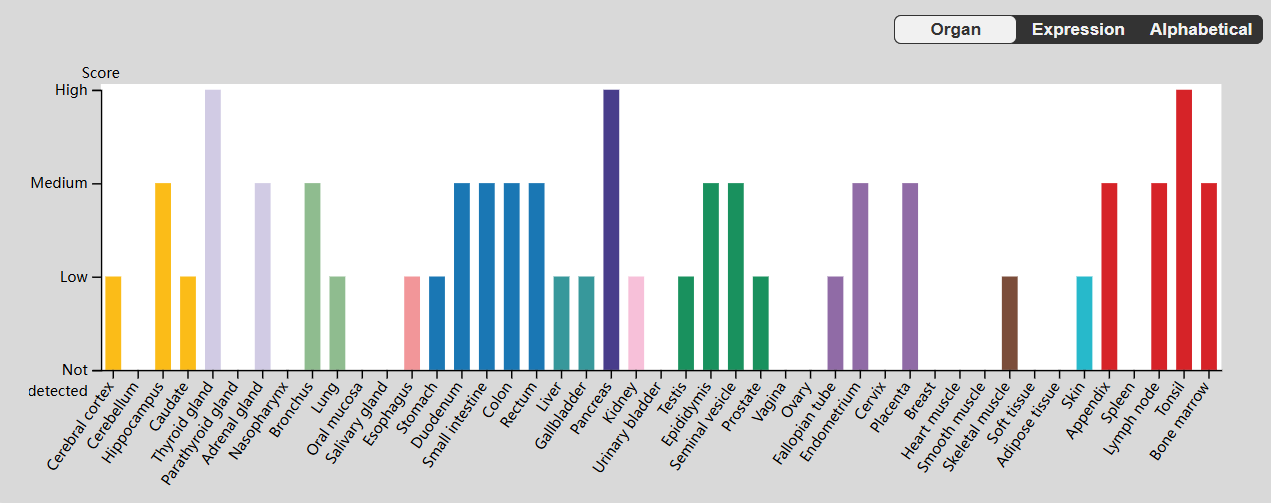
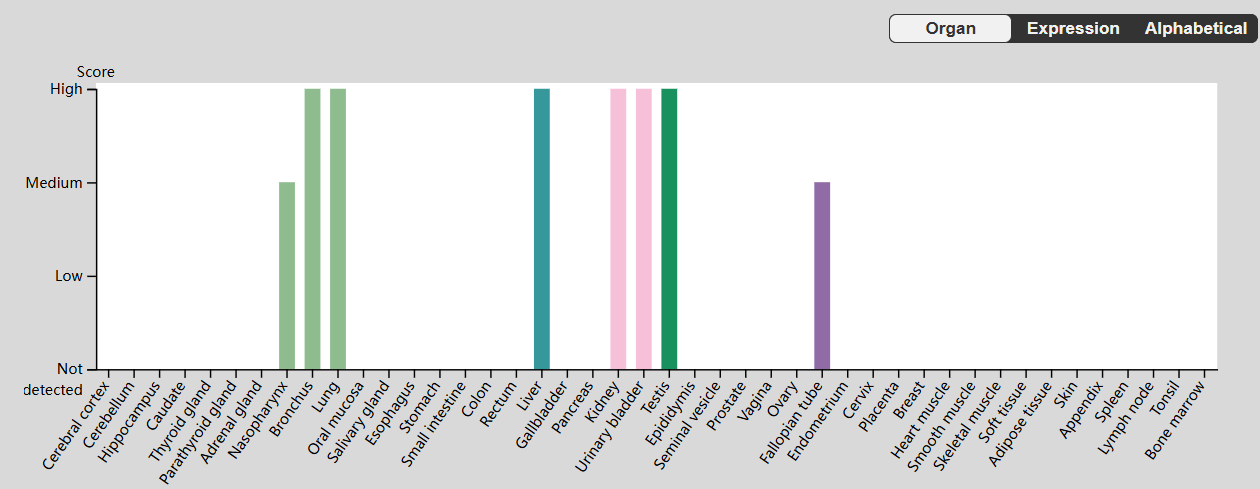
(Data source: uniprot)
The structure of IL17R and its receptor
All members of the IL-17R family are type I transmembrane glycoproteins. The extracellular region of IL-17RA contains a conserved SEFIR (homological to the IL-17 receptor and the Toll/IL-1 receptor) domain, a key region for its interaction with the downstream adaptor protein Act1. The C-terminal region of the SEFIR domain in IL-17RA shows significant sequence homology to the BB' loop of the typical Toll/IL-1R (TIR) domain in the innate immune system; therefore, this motif is called the TIR-like loop (TILL). IL-17RA recognizes different ligands by forming heterodimeric complexes with other family members, such as IL-17RC and IL-17RB. For example, IL-17RA binds to IL-17RC to form the functional receptors for IL-17A and IL-17F.
IL-17RB also possesses the SEFIR domain, which can bind with IL-17RA to form the receptor complex of IL-17E (IL-25), thereby initiating downstream signaling.


(Data source: Wilson SC, et al. Nature. 2022)
IL17R signaling pathway and its role in disease
to IL-17 R, IL-17 activates TRAF6, promoting the activation of the mitogen-activated protein kinase (MAPK) pathway, extracellular signal-regulated kinase (ERK), p38 and JUN N-terminal kinase (JNK), AP1 (activator protein 1) pathway, and C/EBPβ transcription factor. IKK mediates phosphorylation of p105, releasing TPL2 kinase from p105 and activating p38 and JNK. Furthermore, IL-17 can induce the formation of a multi-protein signaling complex consisting of IL-17R-ACT1-TRAF4-mitogen-activated protein kinase kinase kinase (MEKK)3-MEK5. This complex activates ERK5 but not NF-κB, p38, JNK, or ERK1/2, thereby inducing the expression of IL-17 target genes, ultimately leading to keratinocyte proliferation and tumorigenesis. The IL-17RA-mediated signaling pathway plays a crucial pathogenic role in various autoimmune and inflammatory diseases. Overactivation of the IL-17A/IL-17F-IL-17RA axis leads to persistent inflammatory responses and tissue damage, which is closely related to the pathological processes of diseases such as psoriasis, psoriatic arthritis, ankylosing spondylitis, rheumatoid arthritis, multiple sclerosis, and inflammatory bowel disease.
IL-17RB primarily mediates the signaling of IL-17E (IL-25), and IL-25 is an important driver of Th2 immune responses. Therefore, the IL-17RB signaling pathway is associated with type 2 inflammatory responses induced by allergic diseases such as asthma and atopic dermatitis, as well as certain parasitic infections.
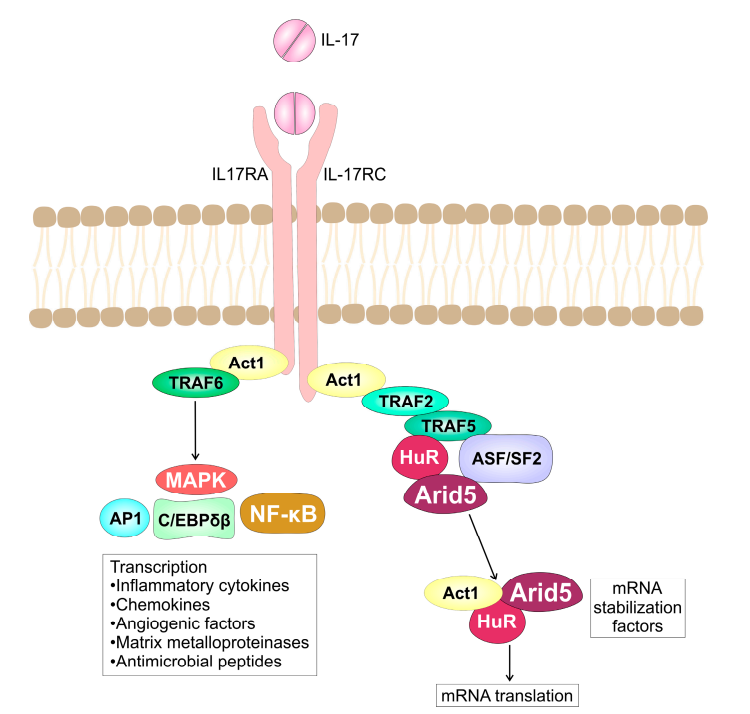
(Data source: Ladjevac N, Int J Mol Sci. 2023)
Low IL17RA expression is associated with poor prognosis in patients with advanced colorectal cancer (CRC). In intestinal epithelial cells ( IECs ) of a mouse model of CRC, IL17RA deficiency enhances epithelial-mesenchymal transition (EMT) by increasing epidermal growth factor receptor expression and subsequent Src kinase activation. IL17RA deficiency impairs intestinal barrier function, enhancing fungal invasion and related immune functions. However, in macrophages, activation of spleen tyrosine kinase (Syk) requires IL-17RA following fungal-induced dectin-1 binding, and IL-17RA ablation impairs IL-18 release and protective CD8+ T cell-mediated antitumor immunity. In a microsatellite stable (MSS) CRC model, the combined application of recombinant IL-17 and heat-inactivated Candida albicans sensitizes colorectal tumors to α-PD-1 therapy. Therefore, IL-17RA is involved in two different tumor suppression mechanisms in colorectal cancer, linking EMT and fungal-induced antitumor immunity during tumor progression.

(Data source: Denk D, et al. Immunity. 2025)
Targeted therapy for IL17R
Brodalumab (SILIQ) is a fully human IL-17RA antagonist approved for the treatment of moderate to severe psoriasis. Brodalumab blocks the IL-17RA subunit, thus inhibiting signaling of all IL-17RA ligands, including those that promote psoriasis pathogenesis. Targeting the IL-17 receptor can inhibit the signaling of various inflammatory cytokines in endothelial cells, keratinocytes, dendritic cells, and macrophages, ultimately suppressing the expression of inflammatory genes in psoriatic lesions. Brodalumab's broad-spectrum inhibition of cytokine signaling may be related to its efficacy in patients with moderate to severe psoriasis and in individuals who have failed previous biologic therapy.

(Data source: SILIQ official website)
SM-17 is a humanized IgG4-κ monoclonal antibody used to treat atopic dermatitis, including moderate and severe cases, and is currently in phase II clinical trials. SM-17 modulates type II hypersensitivity responses by targeting the receptor for the key alarm molecule IL -25. SM-17 can block a cascade of immune responses induced by IL-25 by binding to IL-17RB on type II innate lymphocytes (ILC2s) and Th2 cells , and inhibit the release of downstream Th2 cytokines such as IL-4, IL-5, and IL-13.

(Data source: Sinomab official website)

(Data source: Xu G, et al. Front Immunol. 2024)