The blood group Rh (D) polypeptide (RHD), also known as CD240D or RHXIII, is likely part of an oligomeric complex that may function as a transport or channel in the red blood cell membrane. The RhD antigen is a key component of the Rh blood group system and is highly immunogenic, posing a risk to RhD-negative pregnant women. It is involved in hemolytic disease of the fetus and newborn (HDFN), a condition that occurs in pregnancies where the mother lacks the RhD antigen (RhD) while the fetus has RhD-positive red blood cells. The resulting maternal autoantibodies destroy fetal red blood cells across the placenta.
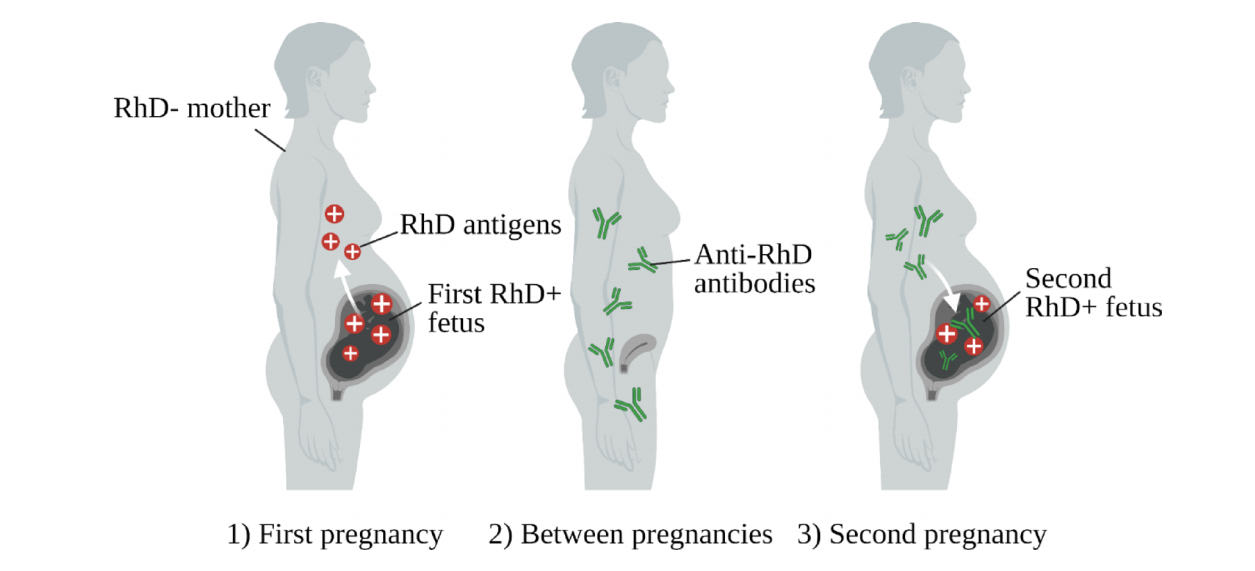
(Data source: Gekas J, et al. Sci Rep. 2025)
RHD expression distribution
RHD is mainly expressed in bone marrow and lymphoid tissues. RHD protein is specifically expressed on the surface of erythrocyte membranes and is also expressed in immune cells such as T cells and B cells.
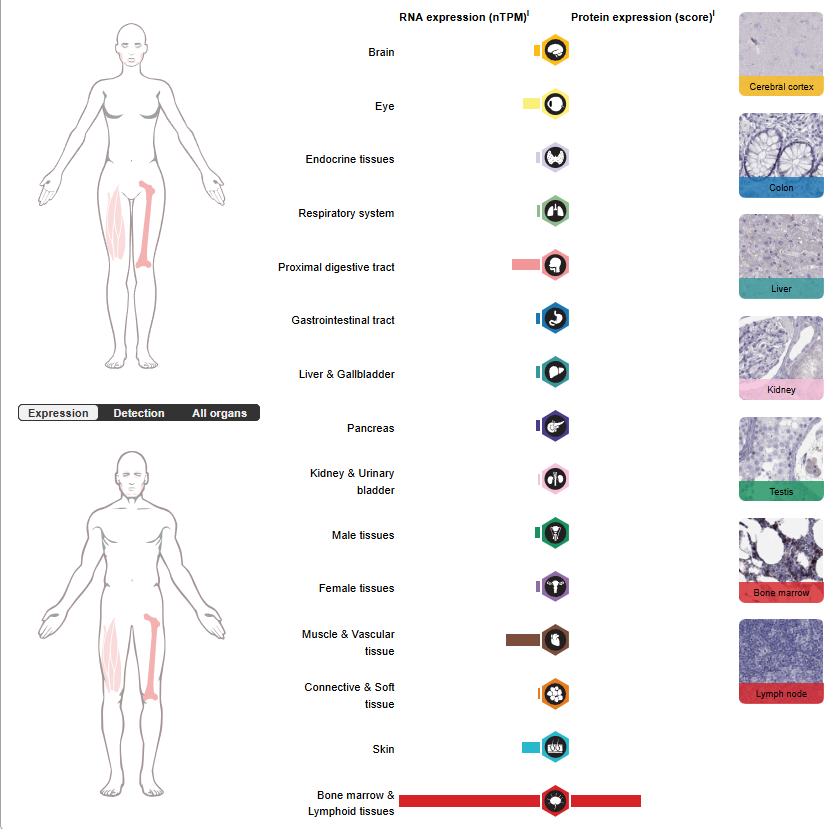
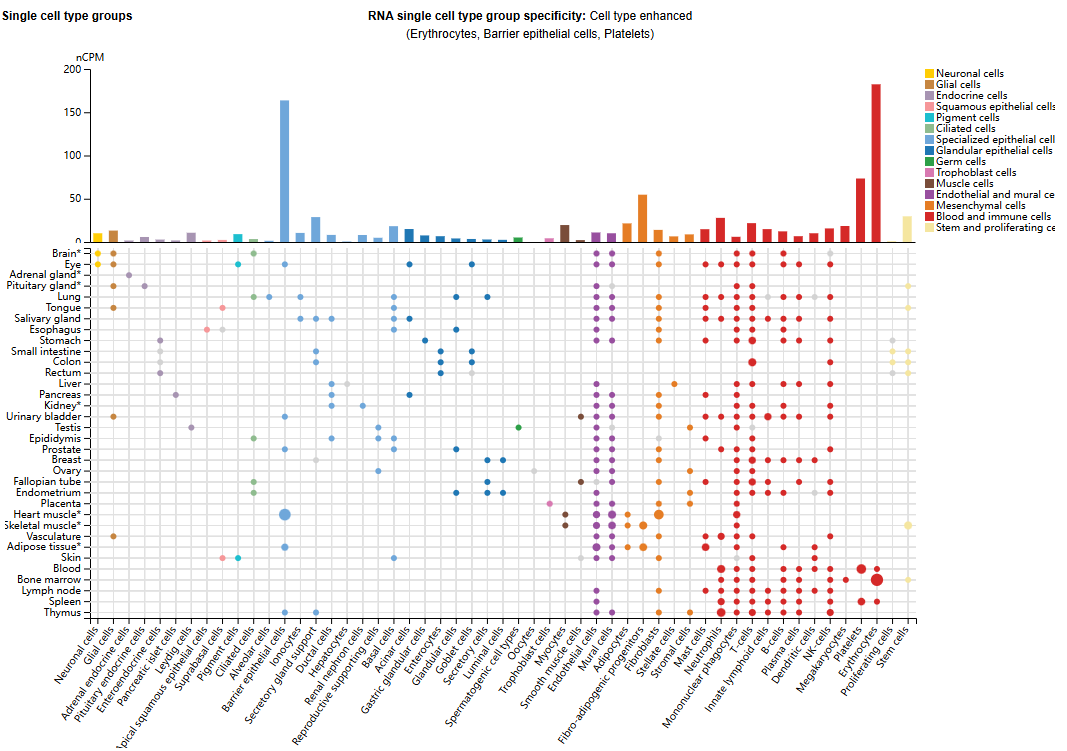
(Data source: uniprot)
Genotypes and Structures of RHD
Red blood cells express three types of Rh antigens: D (or no D), E (or e), and C (or c). Initially, it was thought that three separate genes were necessary. However, it is now clear that only two genes exist: the RHD gene and the RHCE gene. The RHCE gene, by altering its transcription product to a protein antigen, encodes both C/c and E/e red blood cell antigens. The RHD gene is located on the short arm of chromosome 1 and is closely linked to the RHCE gene. The RhD-positive phenotype is determined by the functional D antigen encoded by the intact RHD gene, while the RhD-negative phenotype can be caused by three different genotypes: RHD gene deletion, RHD pseudogene (RHDΨ, a non-functional protein due to a stop codon), or RHD-CE-Ds hybrid genes. Genotype and phenotype are not entirely equivalent; individuals carrying RHDΨ or RHD-CE-Ds hybrid genes may have the RHD gene sequence but still have an RhD-negative serological phenotype. Most RhD-negative Caucasians have simple RHD gene deletions at both gene loci. However, the RHDJ and RHD-CEDs genotypes are more common in African Rh-negative individuals.
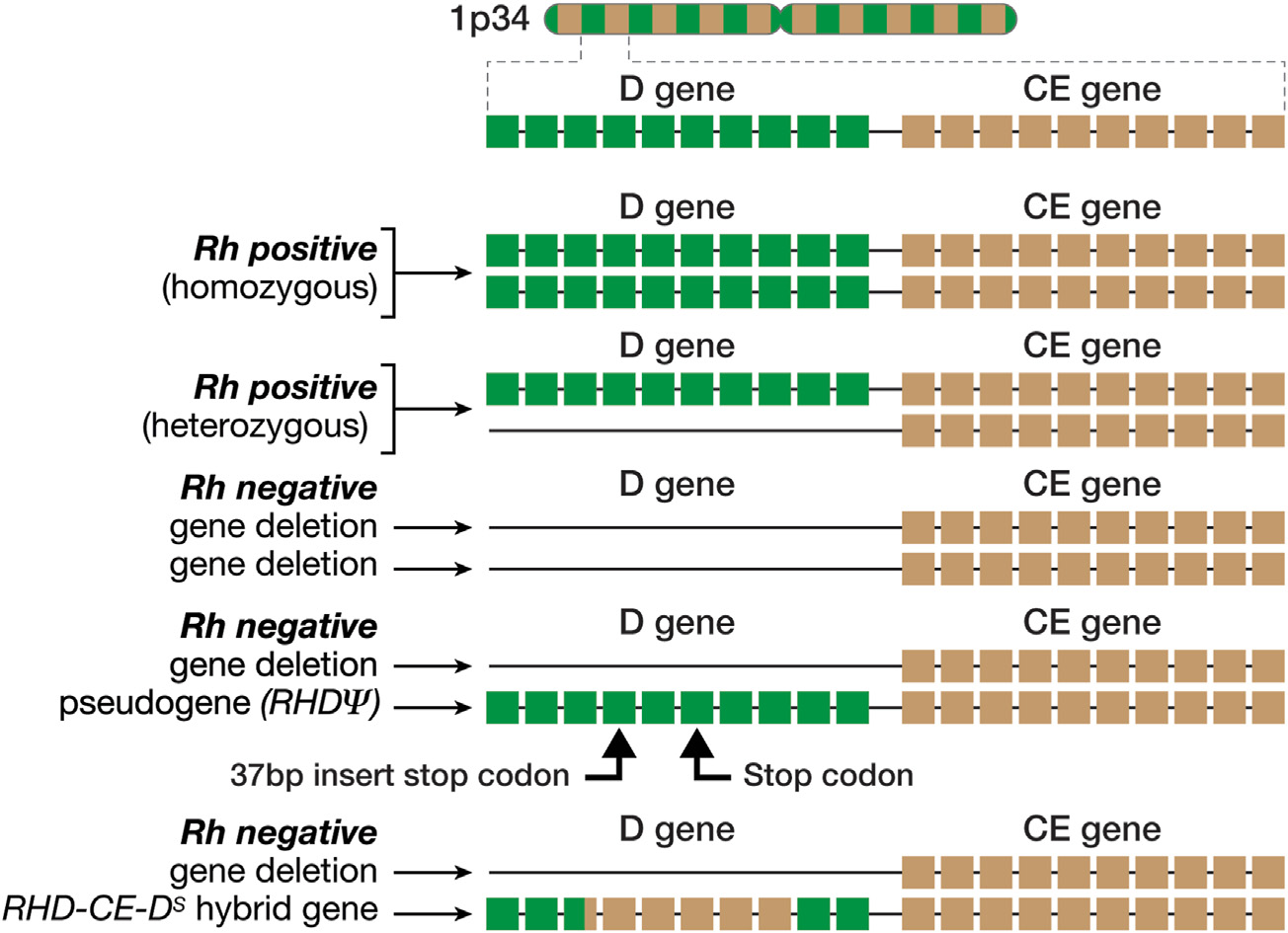
(Data source: Moise KJ Jr. Am J Obstet Gynecol. 2025)
RHD is an 11-transmembrane protein composed of 417 amino acids, including an intracellular domain, a transmembrane domain, and an extracellular domain. Its extracellular domain carries the Rh blood group D antigen epitope, which determines the RhD positive/negative phenotype.
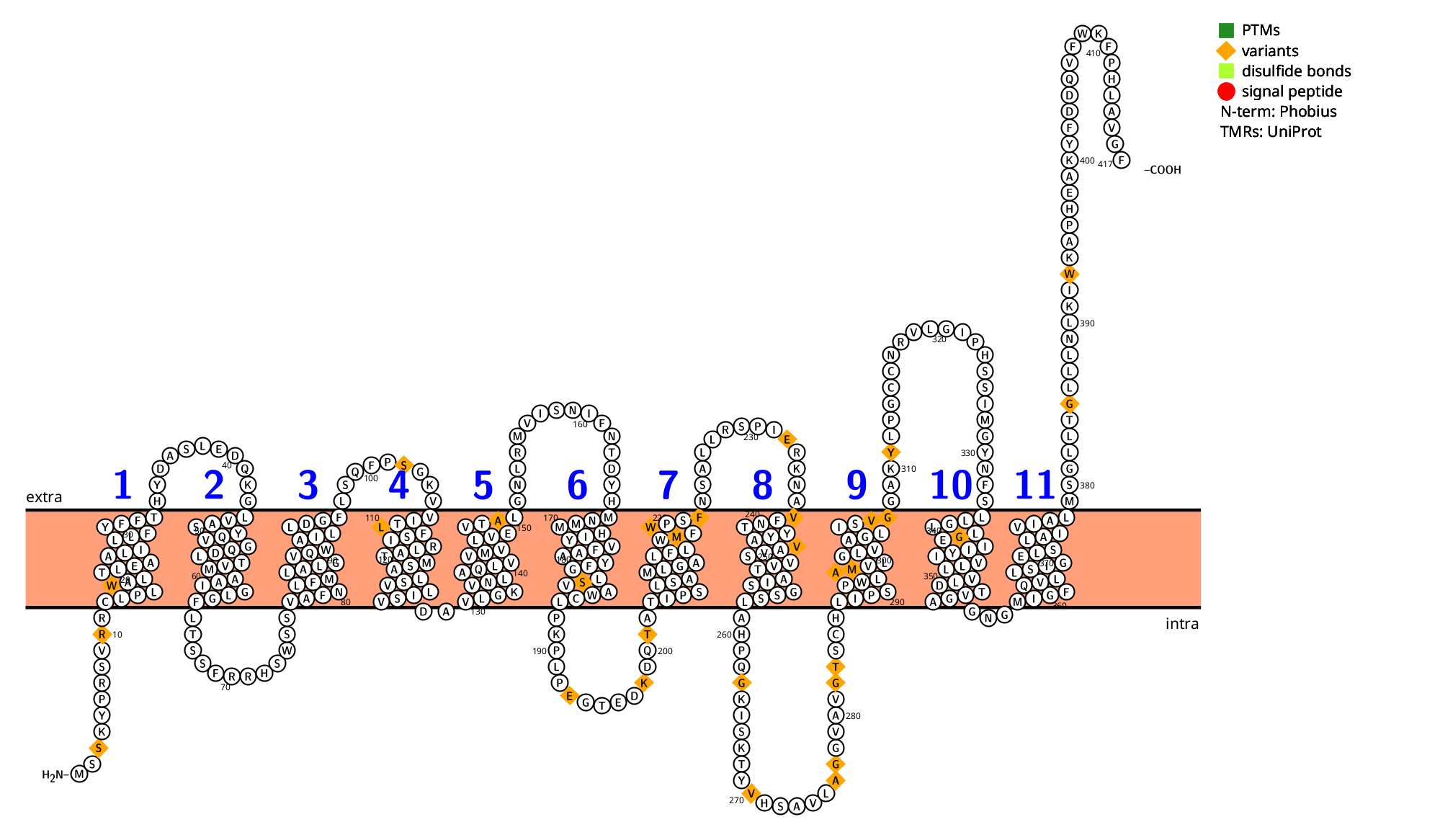
(Data source: protter)
Targeted therapy for RHD
Roledumab is an anti-RHD monoclonal antibody used to prevent RhD-related hemolytic disease of the newborn. By binding to RhD (+), this intravenously injected protein clears the antigen, preventing the development of B-cell memory and thus allowing for fetal-maternal allogeneic immunization. The efficacy and safety of Roledumab have been studied in three clinical trials in healthy volunteers (NCT00952575) and in RhD-negative pregnant women carrying RhD-positive fetuses (NTCT02287896).

(Data source: Contreras M, et al., Glob Libr Women's Med)