Consistent element αL (ITGAL) is a component of LFA-1 (LFA-1), also known as CD11A or LFA-1A . The specific interaction of cell adhesion molecules (ICAMs), which are present in cell adhesion, signal transfer, immune response control, inflammatory processes and other important effects during the microenvironmental development of aneurysms.
ITGAL expression distribution
ITGAL is primarily expressed in various leukocyte types, including T cells, B cells, macrophages, and neutrophils. It is also expressed in small amounts in nerve cells, glial cells, and adipocytes.
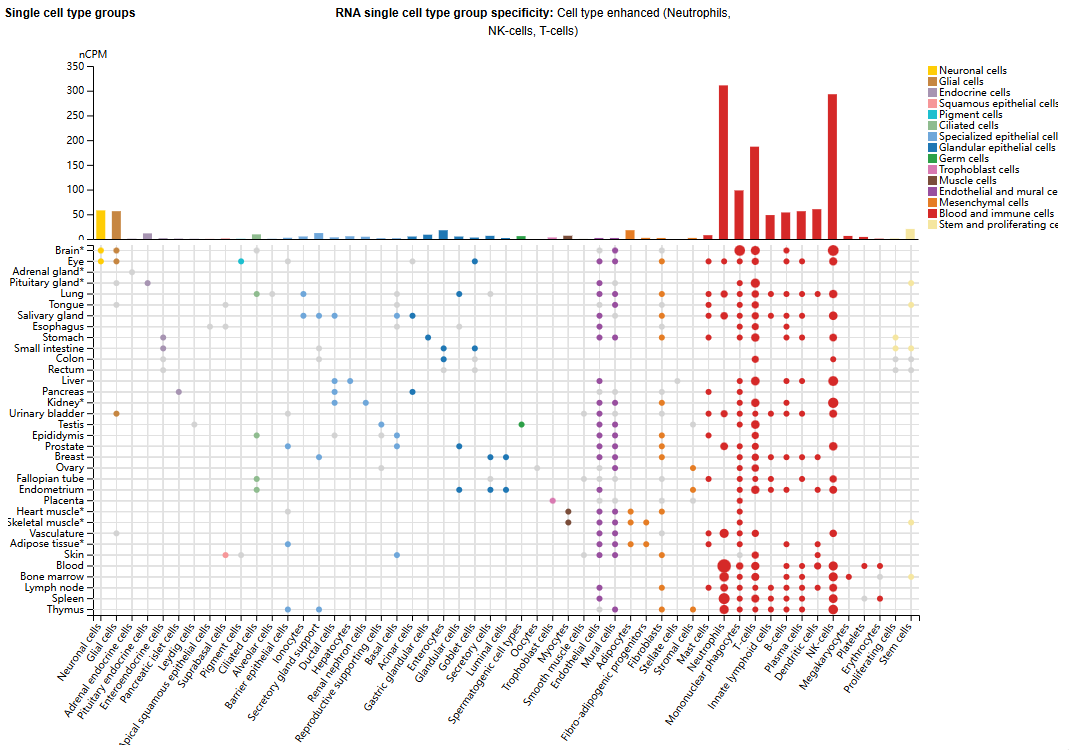
(Data source: uniprot)
ITGAL's structure and its receptor
The ITGAL gene, located on human chromosome 16p11.2, is a type I transmembrane protein composed of 1170 amino acids. This protein belongs to the α-integrin family, containing domain I, and binds to the β2 chain (integrin subunit β2, ITGB2) to form an integrin called LFA-1. The integrin αL protein possesses a large N-terminal extracellular domain capable of specifically binding to various ligands, particularly members of the intercellular adhesion molecule family (ICAM-1 to ICAM-3). The extracellular terminus of the integrin αL protein contains α-I, β-propeller, Thigh, Calf-2, and Calf-1 domains. The extracellular terminus of the ITGB2 protein contains β-I, PSI, H, EI1, EI2, EI3, and EI4 domains.
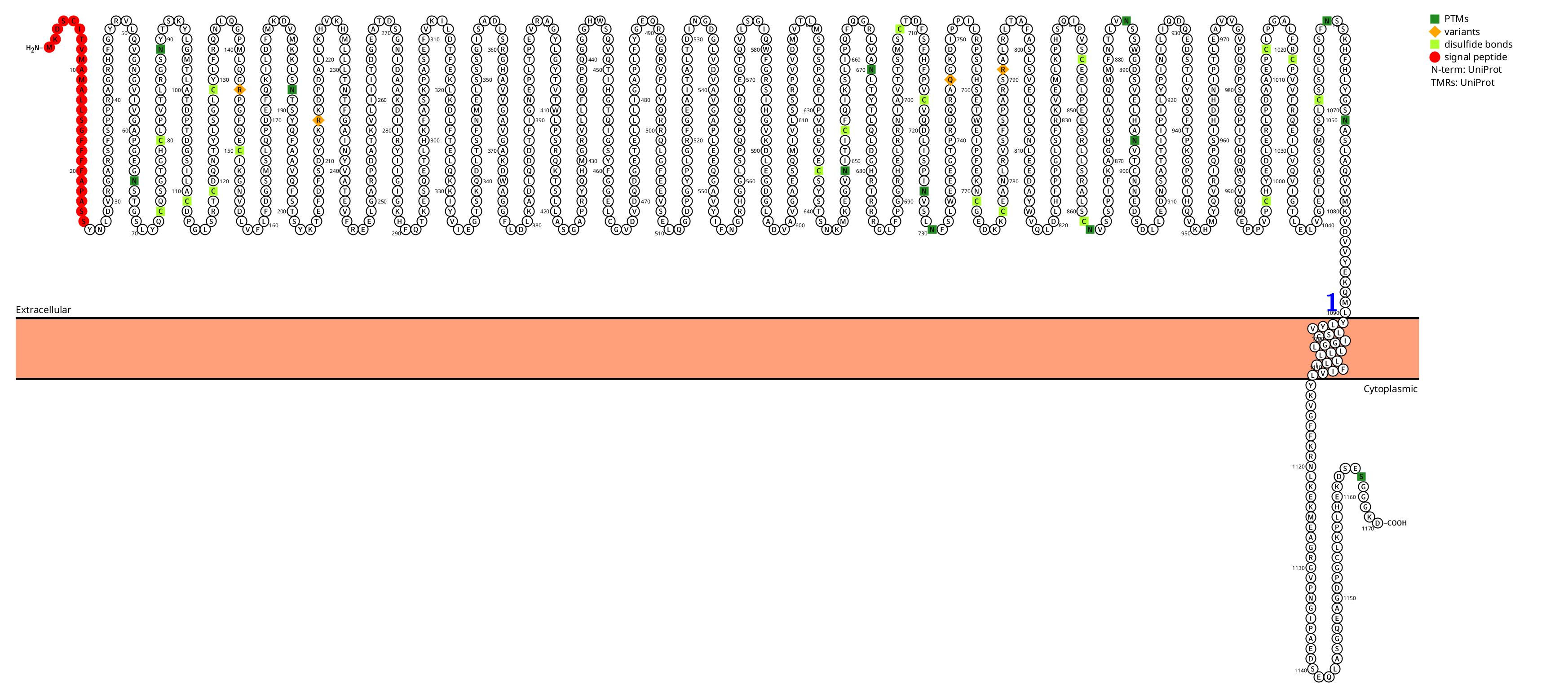
(Data source: protter)
The binding of integrin ITGAL to its ligands is typically tightly regulated through dynamic changes in its conformation and aggregation state. Integrins can exist in three main conformational states: an inactive state (characterized by bending and closure), a transitional state (partially unfolded but still closed), and an active state (fully unfolded and open).

(Data source: Wang X, et al. Front Immunol. 2026)
Functions and Role of ITGAL in Tumors
Conformational activation of integrin αL initiates an intracellular signaling cascade that regulates fundamental cellular processes such as cell proliferation, migration, and apoptosis. ITGAL is a typical bidirectional signal receptor, mediating both "outside-in" signaling (transmitting extracellular information to intracellular effectors) and "inside-out" signaling (regulating extracellular ligand affinity in response to intracellular stimuli). The dynamic balance between active and inactive conformational states precisely regulates the adhesion strength and effector function of immune cells.
Upon successful recognition of MHC antigen complexes on antigen-presenting cells, integrin αL on the surface of T cells is rapidly activated and specifically binds to ICAM-1 on antigen-presenting cells. This sustained cell-cell contact is crucial for T cell proliferation. Furthermore, the synergistic interaction of integrin αL with CD3 and CD28 significantly participates in signal transduction pathways, effectively lowering the T cell activation threshold, thereby subsequently initiating phosphorylation of extracellular signal-regulated kinase 1/2 (ERK1/2) and increasing interleukin-2 (IL-2) production. Integrin αL-mediated immune synapse formation is a key process for the cytotoxic activity of T cells and natural killer (NK) cells against target cells.
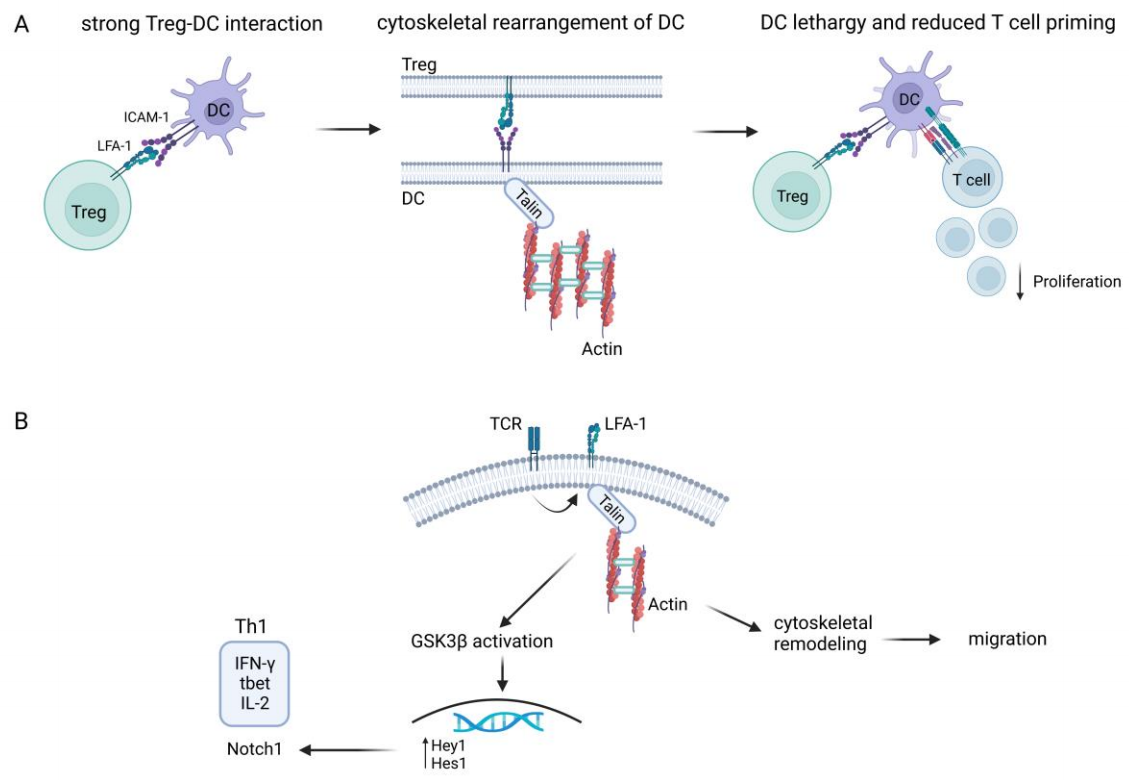
(Data source: Klaus T , et al. Int J Mol Sci. 2023)

(Data source: Wang X, et al. Front Immunol. 2026)
Integrin αL exhibits significant functions in cancer biology, participating in angiogenesis and contributing to cancer initiation and progression. It also regulates immune responses, inflammatory processes, and tumor microenvironment composition, thereby influencing tumor growth, invasion, and metastatic potential. This property enables integrin αL to play multiple roles in the pathogenesis of various malignant tumors, including renal cell carcinoma, colorectal cancer, melanoma, and head and neck squamous cell carcinoma.

(Data source: Wang X, et al. Front Immunol. 2026)
Targeted therapy for ITGAL
Efalizumab is a monoclonal antibody targeting ITGAL, approved for marketing in the United States in 2003 for the treatment of moderate to severe psoriasis. Efalizumab is a recombinant humanized monoclonal immunoglobulin antibody targeting CD11a. It effectively blocks interaction with ICAM-1 and inhibits T cell activation, transport, and adhesion to inflamed skin, thereby promoting immunosuppression. However, its use was suspended due to adverse reactions (including multifocal leukoencephalopathy).