Natural killer cell antigen CD94 (KLRD1), also known as KP43, is an immune receptor involved in self-non-self differentiation. It binds to cytotoxic lymphocytes and regulatory lymphocyte subsets along with KLRC1 or KLRC2, recognizing classical MHC1 molecules and non-classical MHC1b molecules carrying self-peptide signal sequences from classical MHC1a and non-classical MHC1b molecules. As an immunosuppressive receptor, KLRD1-KLRC1 is a major inhibitory receptor on natural killer (NK) cells, regulating their activation and effector functions.
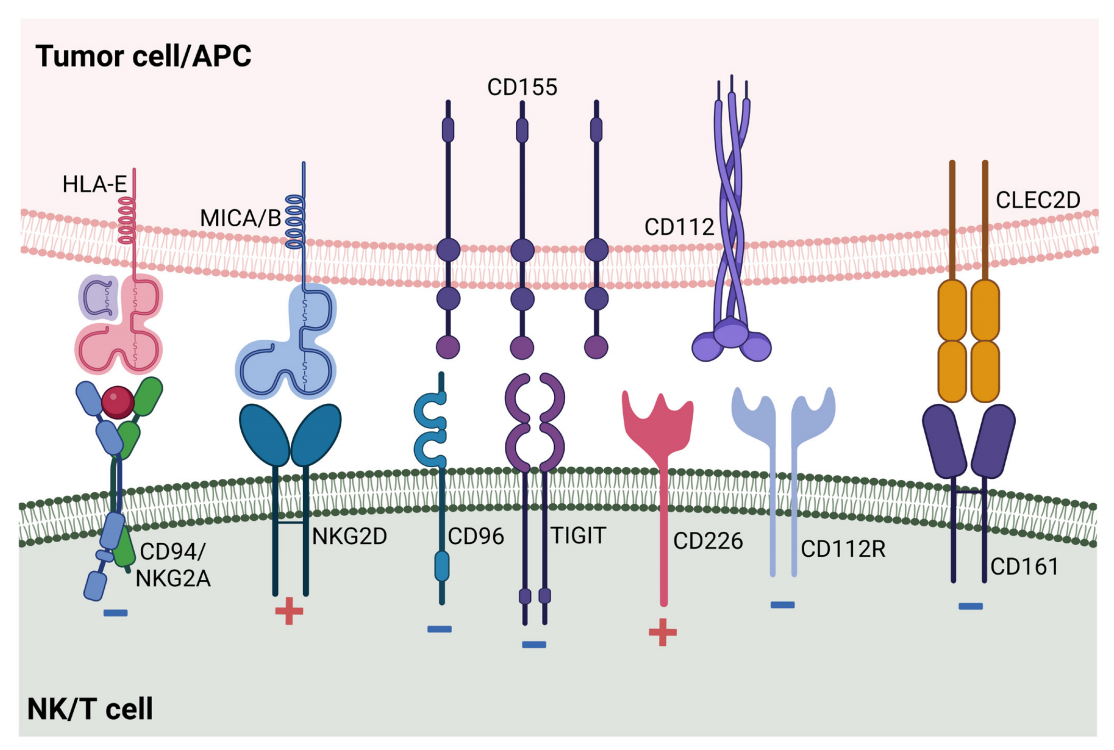
(Data source: Li Y, et al. J Immunother Cancer. 2024)
KLRD1 expression distribution
KLRD1 expression in normal human tissues exhibits high cell type specificity, primarily expressed in lymphocyte subsets of immune system-related tissues, mainly NK cells, T cells, neutrophils, and innate lymphocytes.
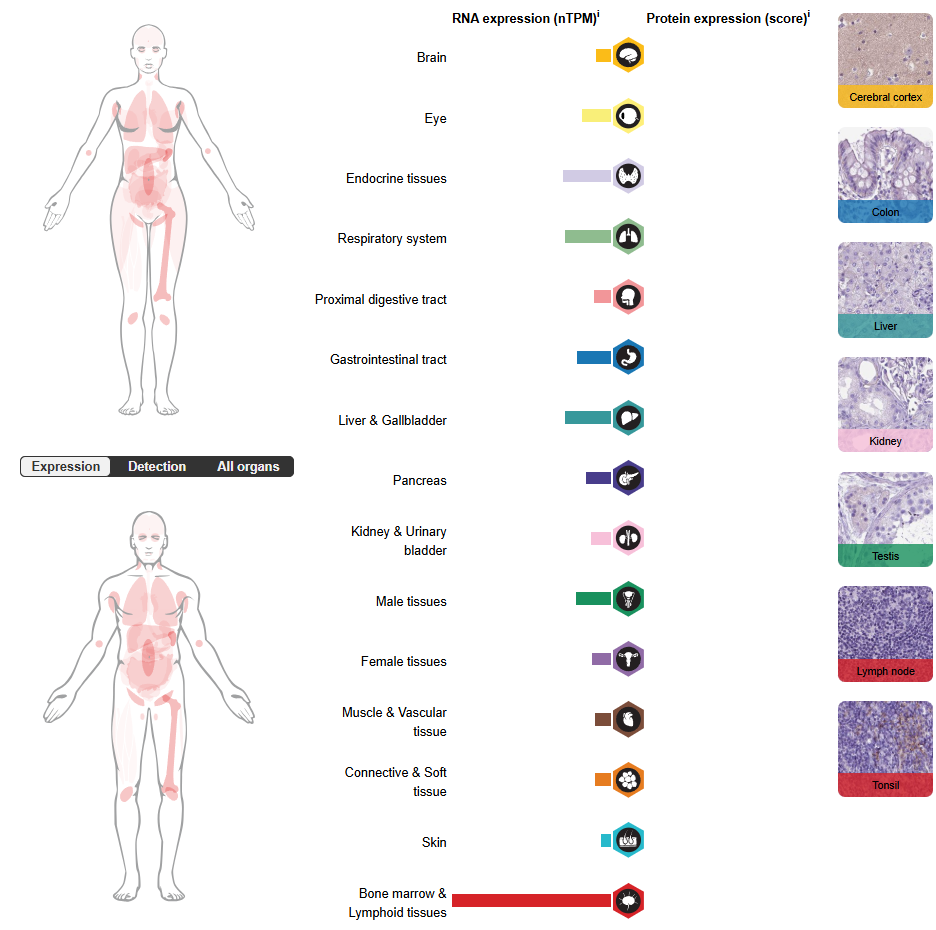
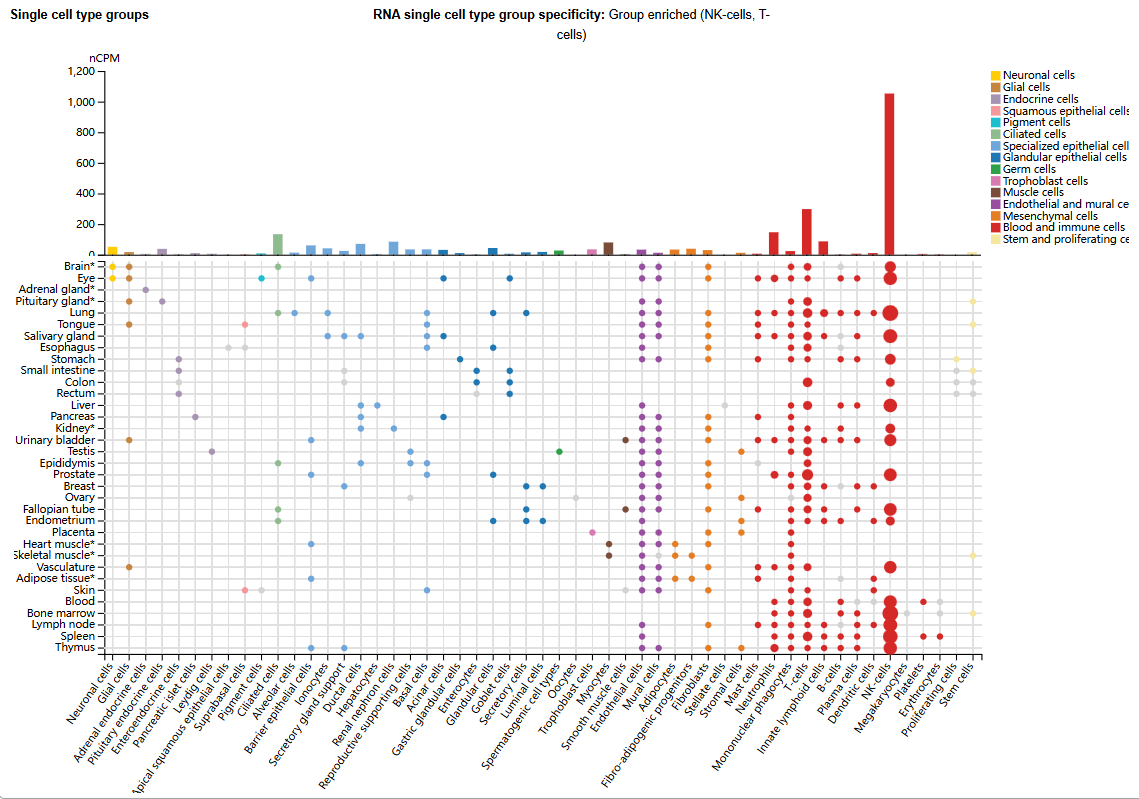
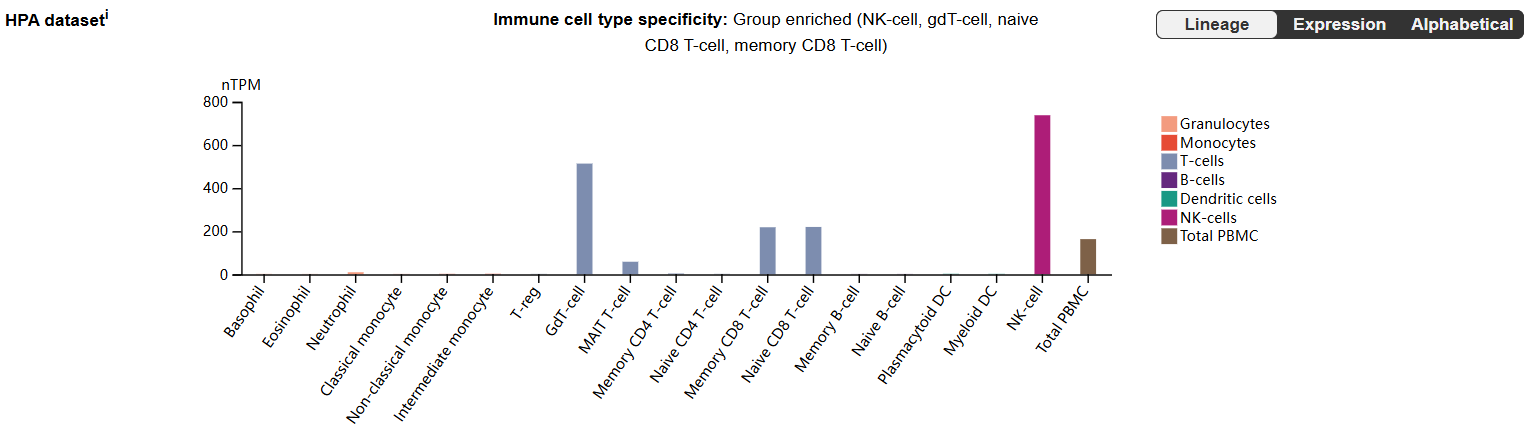
(Data source: uniprot)
KLRD1 structure
KLRD1 is a type II membrane protein belonging to the C-type lectin-like receptor family. The monomeric molecular weight of KLRD1 is approximately 20 kDa. KLRD1 consists of an N-terminal extracellular region, a transmembrane region, and a C-terminal intracellular region, with a C-type CTLD extracellular domain. KLRD1 itself does not possess an independent signal transduction motif; it must form a covalently bound heterodimer with members of the NKG2 family (mainly NKG2A, NKG2C, or NKG2E). KLRD1 is primarily responsible for recognizing the non-classical MHCI molecule HLA-E; while members of the NKG2 family are responsible for transmitting inhibitory or activating signals.
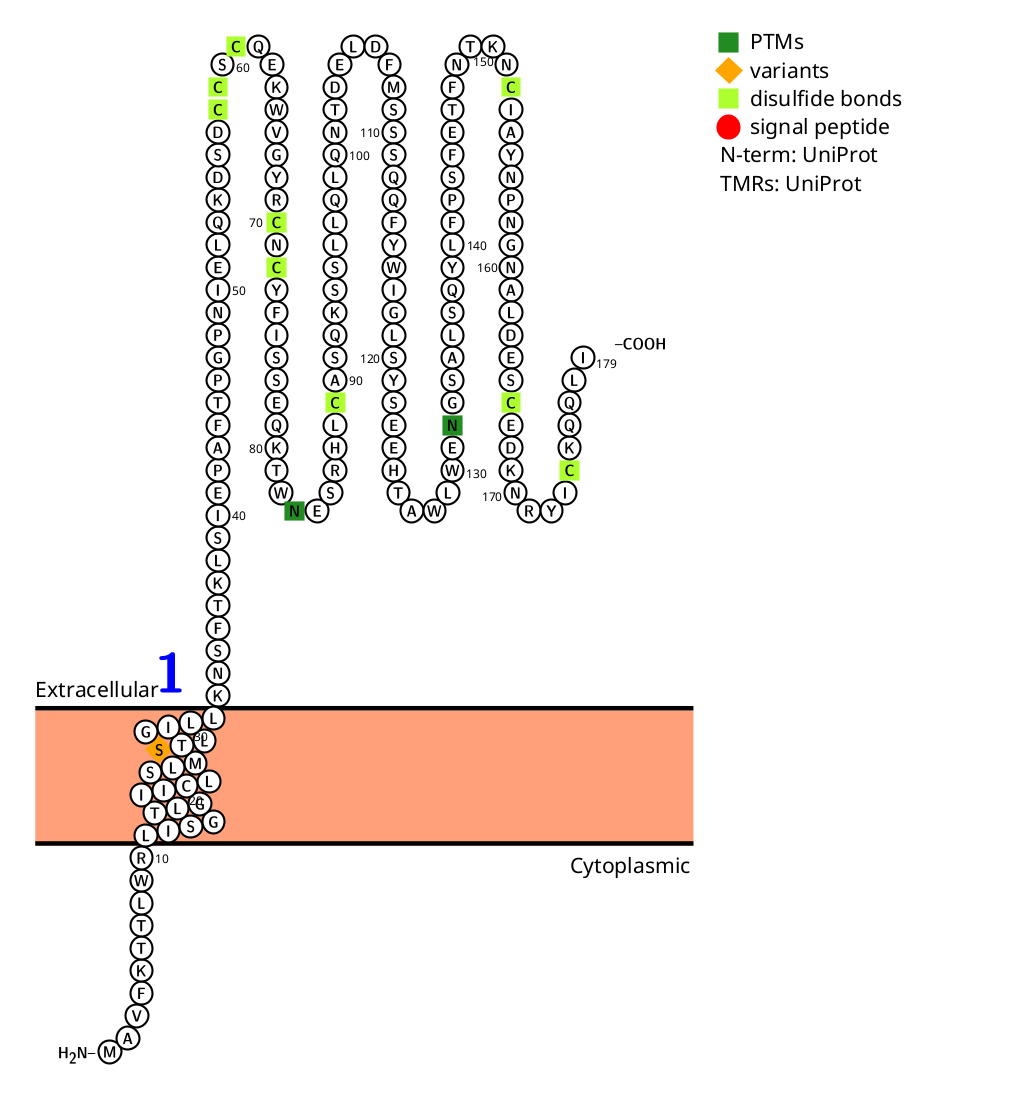
(Data source: protter)
KLRD1 signal pathway regulation
Inhibitory signaling pathway: NKG2A is an inhibitory receptor containing two ITIM motifs that phosphorylate upon binding to the HLA-E/peptide complex. When CD94/NKG2A binds to HLA-E, the ITIMs in the intracellular domain of NKG2A are phosphorylated, subsequently recruiting SHP-1/2 phosphatases. This promotes downstream inhibitory signaling from other activating NK receptors, particularly in the PI3K cascade, ultimately inhibiting the cytotoxic function and cytokine secretion of NK cells.
Activating signaling pathways: NKG2C is an activating receptor, and the NKG2C/CD94 complex has a low affinity for the HLA-E/peptide complex. Binding leads to phosphorylation of ITAMS in the associated intracellular signaling molecule DAP12, thereby propagating activation signals. DAP12 phosphorylation recruits ZAP-70, which transduces signals via PLCg, resulting in NF-κB activation and NFAT activity.

(Data source: Albert GK, et al. Front Immunol. 2025)
KLRD1 targeted therapy
Dibotatug (DR-01) is a monoclonal antibody targeting KLRD1, developed by Dren Bio, and currently in Phase 1/2 clinical trials for the treatment of oncology, immune system disorders, and hematologic and lymphatic system diseases. Dibotatug is designed to selectively deplete terminally differentiated cytotoxic cells, such as self-reactive CD8 T cells, which play a pathogenic role in various hematologic and autoimmune diseases. DR-01 is currently being evaluated in patients with large granular lymphoblastic leukemia (LGLL) and cytotoxic lymphoma (CTL) and is being expanded to various autoimmune disease indications.

(Data source: Dren Bio official website)