The granulocyte-macrophage colony-stimulating factor (GM-CSF) receptor, or CSF2R, is a receptor complex that plays a crucial role in hematopoiesis, immune regulation, and inflammatory responses. It consists of two distinct subunits: a ligand-specific α subunit (CSF2RA, CD116, GMRα) and a shared signal transduction β subunit (CSF2RB, IL3RB, IL5RB). These two subunits work synergistically to mediate the biological effects of GM-CSF.

(Data source: Wicks IP, et al. Nat Rev Rheumatol. 2016)
CSF2R expression distribution
CSF2R expression is highly cell type specific, mainly limited to hematopoietic cells.
CSF2RA (α chain): mainly expressed in myeloid cells, including neutrophils, eosinophils, monocytes/macrophages, dendritic cells, and some hematopoietic progenitor cells.
CSF2RB (β chain): It is more widely expressed and is not only found in the above-mentioned myeloid cells, but also in some non-hematopoietic cells, such as alveolar epithelial cells, endothelial cells and placental trophoblast cells.
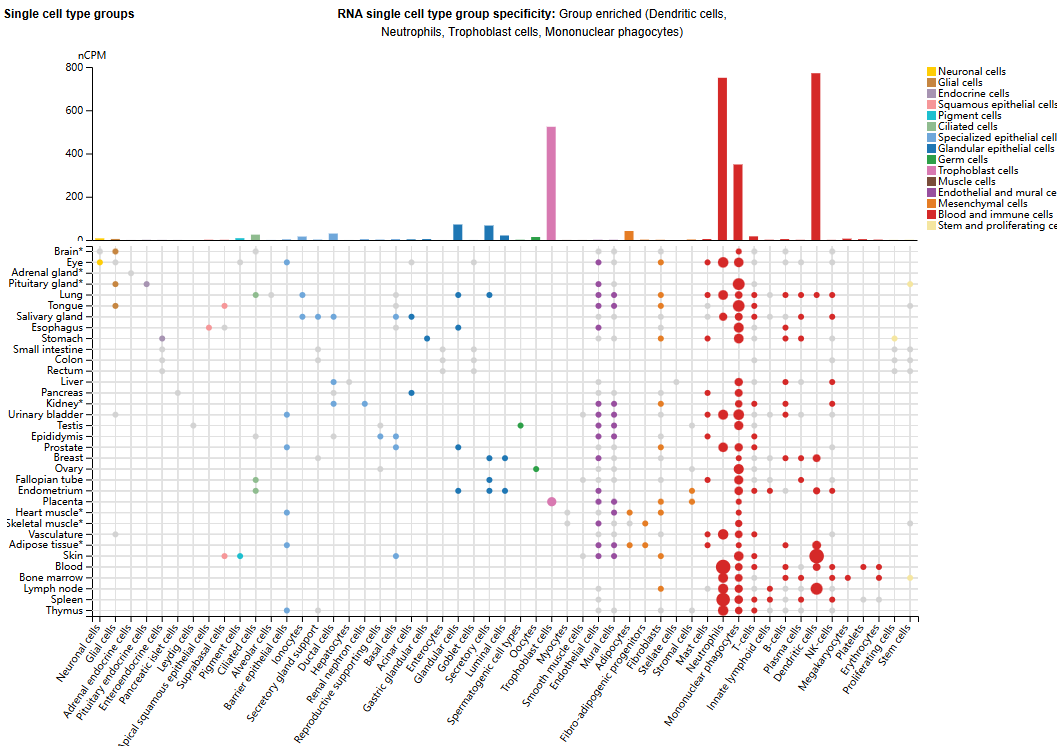
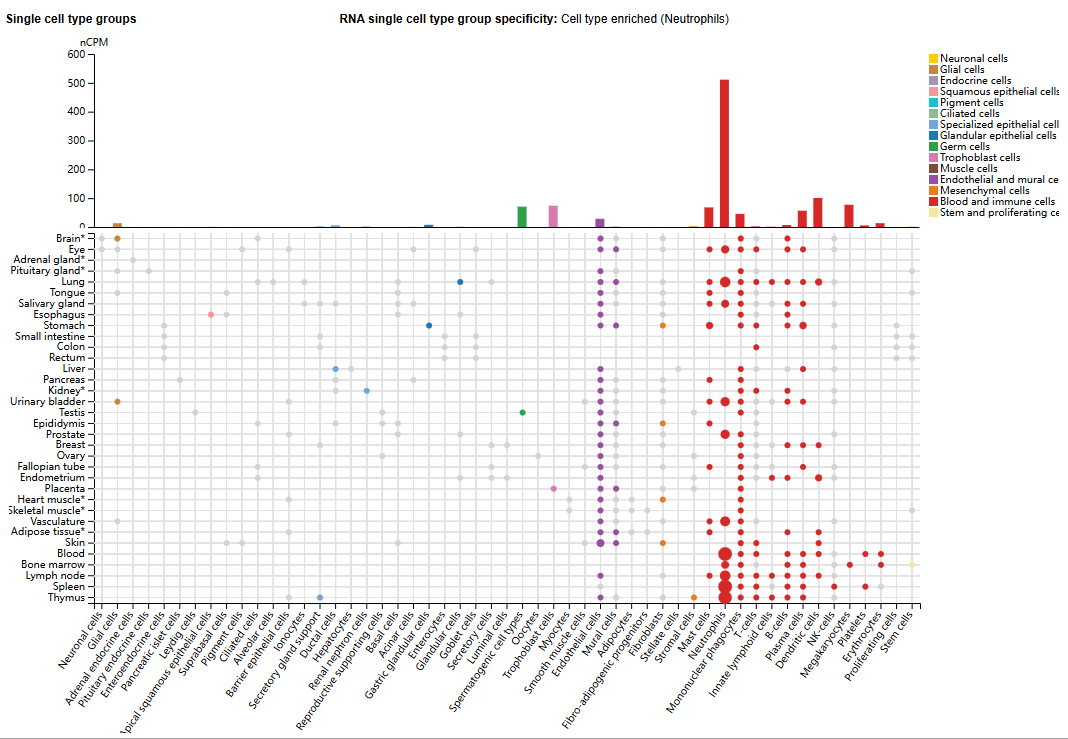
(Data source: uniprot)
Structure and ligands of CSF2R
CSF2R is a heterodimeric transmembrane receptor with a structure that has typical characteristics of cytokine receptors.
CSF2RA: Contains an extracellular ligand-binding domain, a single transmembrane region, and a short intracellular tail. Its extracellular region contains two fibronectin type III domains, which are responsible for specifically recognizing and binding GM-CSF.
CSF2RB: It lacks ligand binding ability, but its extracellular region contains multiple conserved sequences that can bind to the CSF2RA-GM-CSF complex, thereby forming a high-affinity receptor complex (GM-CSF: CSF2RA: CSF2RB).
GM-CSF first binds to CSF2RA, inducing a conformational change, and then recruits CSF2RB, triggering receptor dimerization and downstream signal activation.

(Data source: Hansen G , et al. Cell. 2008)
CSF2R signaling pathway and regulation
The GM-CSF receptor is composed of a heterodimer, consisting of an α-chain (CSF2RA) that specifically binds to GM-CSF and a β-chain responsible for signal transduction; the β-chain is the common chain of the IL-3 and IL-5 receptors (CSF2RB). After the GM -CSF receptor α-chain binds to GM-CSF, it then binds to the β-chain to form a multimer. Receptor polymerization leads to JAK2 activation, and activated JAK2 phosphorylates tyrosine residues on the β-chain. Phosphorylated tyrosine residues recruit STAT-5, which contains the SH2 domain. JAK2 activates STAT-5, thereby activating the JAK-STAT pathway. In addition, JAK2 can induce PI3K activation, initiating the PI3K- AKT pathway. Phosphorylated tyrosine residues on the GM-CSF receptor β-chain recruit the adaptor protein SHC to activate RAS and initiate the MAPK signaling pathway, thereby inducing nuclear signal transduction. The JAK2-STAT5 pathway mainly controls cell differentiation and inflammatory signaling, while PI3K signaling promotes cell proliferation and survival, and the MAPK pathway is involved in cell growth, proliferation, and differentiation.
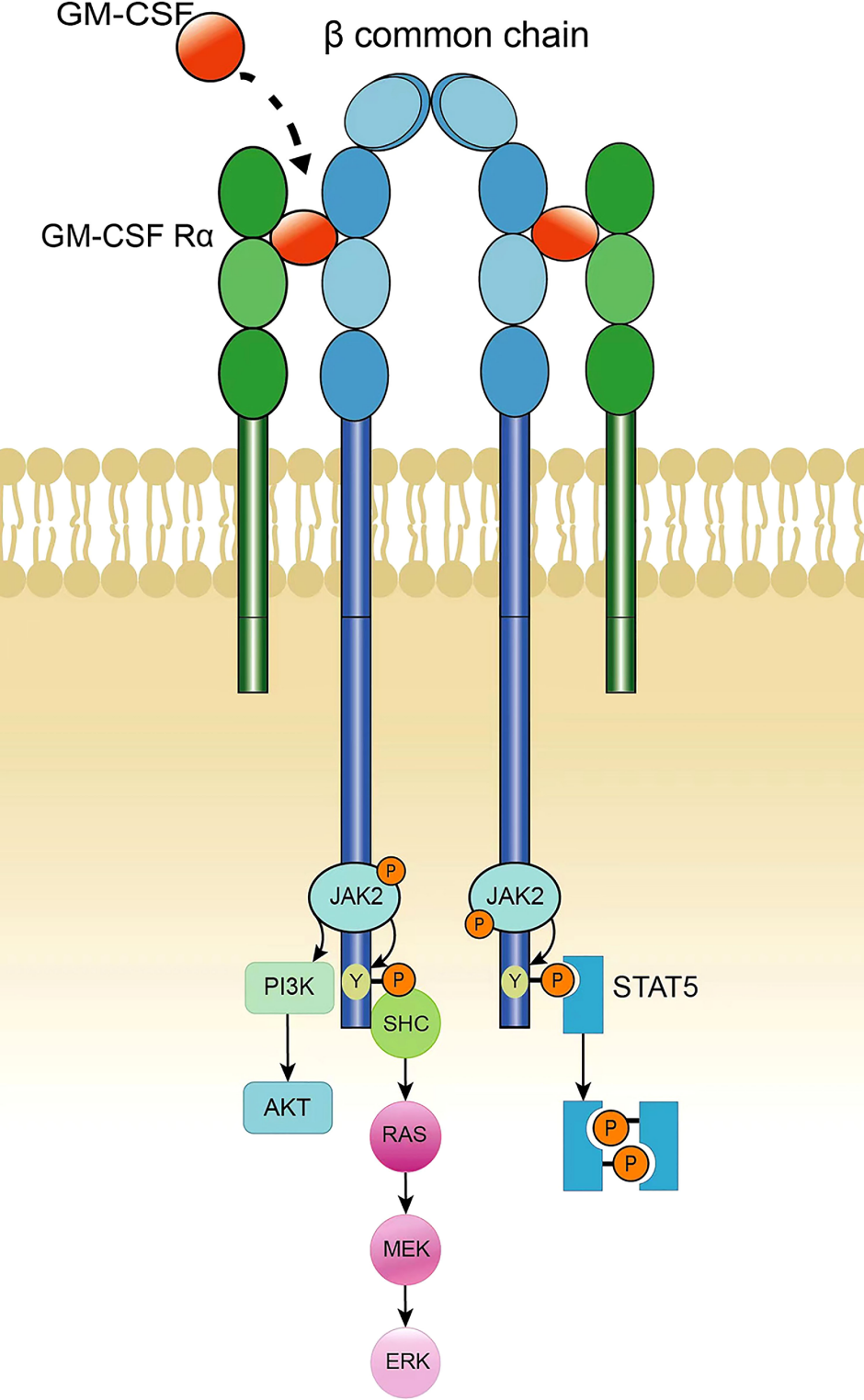
(Data source: Chen Y, et al. Front Immunol. 2023)
Targeted therapy for CSF2R
Mavrilimumab, a monoclonal antibody targeting the GM-CSF receptor, was evaluated in a phase II randomized, double-blind, placebo-controlled, multicenter trial in patients with newly diagnosed or recurrent giant cell arteritis (GC). Each patient received 26 weeks of gradually tapering GC (glucocorticoids). 83% of patients receiving Mavrilimumab achieved sustained remission at week 26, compared to 50% in the placebo group.