Polyadenylate-binding protein 1 (PABPC1) binds to the poly(A) tail of mRNA, including the poly(A) tail of its own transcript, and regulates mRNA metabolic processes such as precursor mRNA splicing and mRNA stability. Its function in translation initiation regulation can be enhanced by PAIP1 or inhibited by PAIP2. PABPC1 is considered a central regulator of cytoplasmic mRNA relocation, acting by regulating almost all aspects of RNA metabolism. Alterations in its expression and function disrupt tissue homeostasis and promote the development of various tumors.

(Data source: Qi Y, et al. Front Oncol. 2022)
PABPC1 expression distribution
PABPC1 is mainly expressed in the respiratory system, proximal digestive tract, and gastrointestinal tract. The highest expression levels are found in the nasopharynx, esophagus, stomach, bladder, testes, tonsils, and bone marrow, with low tissue specificity. PABPC1 is widely expressed in various cell types, including immune cells, nerve cells, endothelial cells, and glandular epithelial cells, but is primarily expressed in apical squamous epithelial cells.
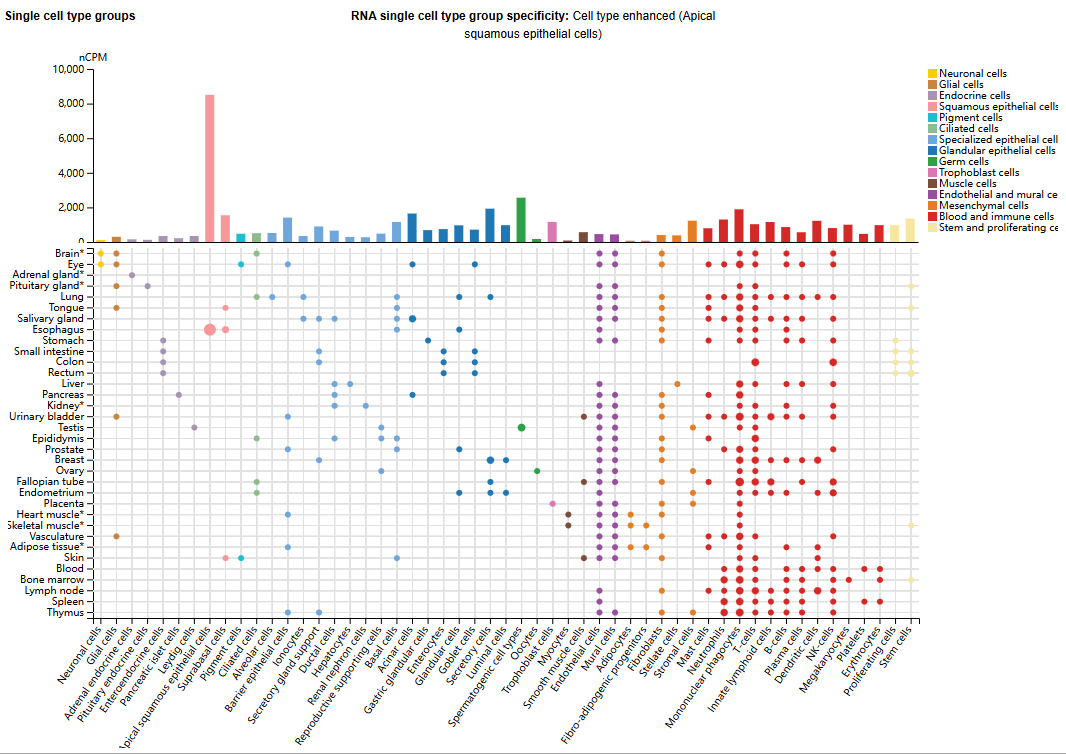
(Data source: uniprot)
Structure of PABPC1
The PABPC1 gene, located on human chromosome 8, is an intracellular and nuclear protein. PABPC1 consists of four RNA-binding domains (RRM1-4), a linker region, and a C-terminal MLLE domain. RRM1-2 bind poly(A) with high specificity, while RRM3-4 have slightly lower affinity and can bind adenine/uridine-rich RNAs. In addition to RNA, the C-terminal MLLE domain of PABPC1 mediates binding to the peptide motif PAM2, allowing PABPC1 to bind to a wider range of proteins, such as PAIP1, PAIP2, GW182, and MKRN1.

(Data source: Ameerul A, et al. J Mol Biol. 2022)
The role of PABPC1 in tumor signaling regulation
PABPC1, as an RNA-binding protein, participates in various aspects of tumor malignant biological behavior. NPM1mA, SNHG14, Sp1, and p300 significantly induce PABPC1 expression upregulation by increasing the acetylation levels of the PABPC1 promoters H3K27 and H2K37. Inactivated MKRN3 reduces PABPC1 ubiquitination, promoting its binding to the 3' poly (A) tail of mRNA, thereby accelerating overall protein synthesis and promoting cancer proliferation and progression. PABPC1 regulates the generation and stability of tumor-associated RNAs, increasing intracellular levels of tumorigenic miR-19a-3p, miR-21-5p, lnc-BDNF-AS, and lnc-PAGBC, and increasing the translation and protein levels of CCNB1, PEG10, SLC7A11, and IFI27. PABPC1 enhances the loading of miR-19a-3p and miR-21-5p in tumor cell-derived exosomes, targets vascular endothelial cells to induce angiogenesis, and impairs immune function by CD8+ T cells.
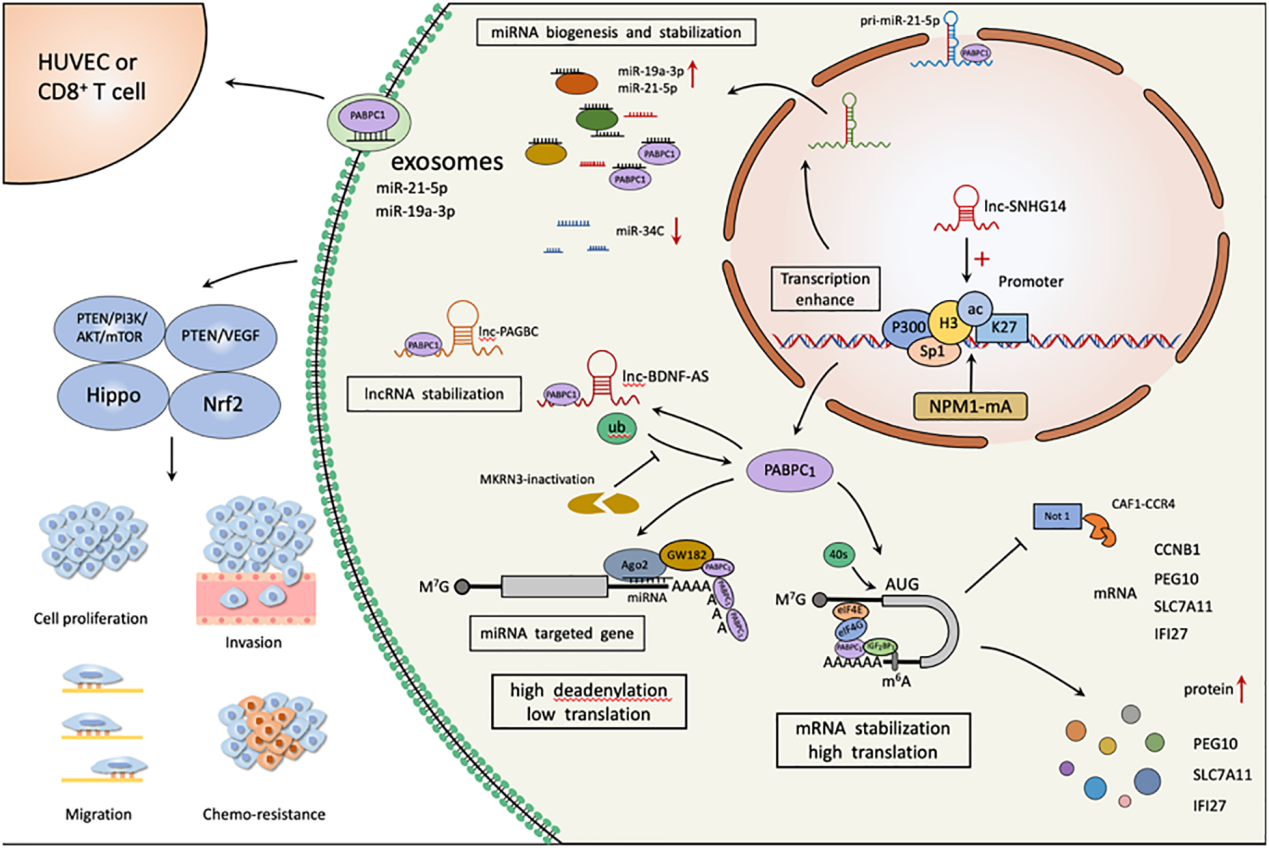
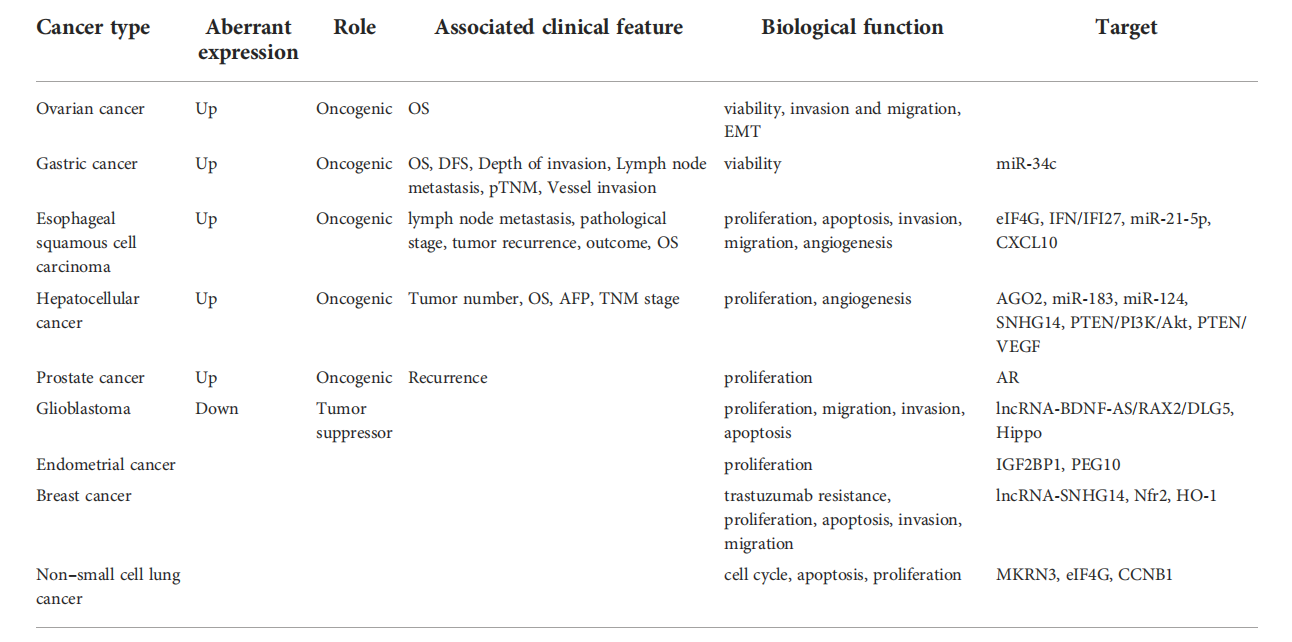
(Data source: Qi Y, et al. Front Oncol. 2022)
PABPC1 targeted therapy
Alextatug (ATRC-101) is a monoclonal antibody targeting PABPC1, developed by Atreca, for the treatment of acral lentigines melanoma, advanced malignant solid tumors, esophageal squamous cell carcinoma, and other diseases. Preclinical data indicate that ATRC-101 activates myeloid cells of the innate immune system, thereby triggering an adaptive immune response and generating its anti-tumor activity. Alextatug's highest development stage was Phase 1 clinical trials, but due to cash flow constraints, Atreca decided to suspend development of its core pipeline, including ATRC-101.
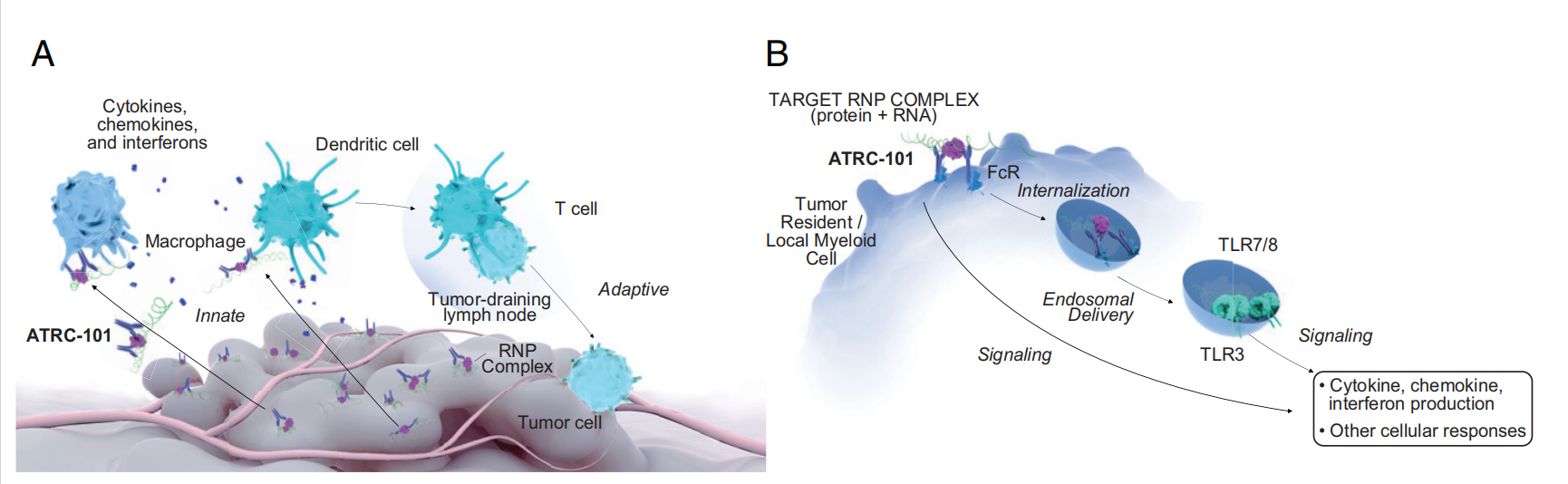
(Data source: Scholz A, et al. Proc Natl Acad Sci USA. 2022)