CD73 is a 5'-nucleotidase exonuclease (NT5E). The CD73-mediated adenosine pathway converts inflammatory ATP into the immunosuppressant adenosine, which inhibits immune activation through the A2A receptor. Elevated levels of CD73 in tumor tissue are associated with adverse clinical outcomes. CD73 is a key component of the extracellular adenosine pathway and can be expressed and labeled on the surface of various cells. CD73 is crucial for suppressing anti-tumor immune responses and promoting cancer cell proliferation, tumor growth, angiogenesis, and metastasis. It is a potential target for tumor immunotherapy.
Expression distribution of CD73
CD73 is expressed in a group of cell types, including white blood cells, myofibroblasts, endothelial cells, and epithelial cells, particularly in tumor, immune, and other related cells, such as macrophages, myofibroblasts, dendritic cells, and NK cells. CD73 is also expressed to a certain extent in neutrophils, where it can promote liver regeneration and regulate inflammation.
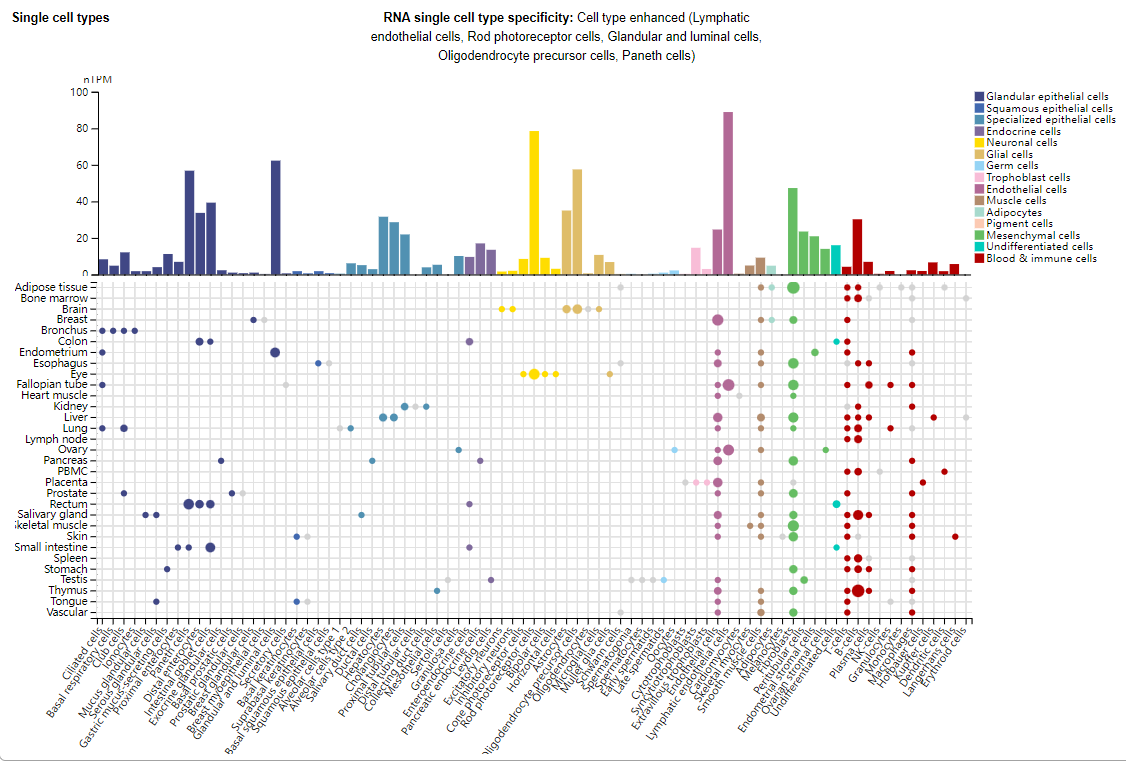
(Data source: uniprot)
The structure of CD73
CD73 is a 70 kDa GPI-anchored glycoprotein anchored to the cell membrane by 523 amino acids encoded by the NT5E gene (located at 6q14-21). CD73 exists and functions as a non-covalently linked dimer. The N-terminal domain of CD73 contains two metal ion binding sites responsible for phosphohydrolase activity. The C-terminal domain is responsible for binding the substrate AMP. CD73 exists in two conformations: "open" and "closed." Catalysis requires CD73 to transition from the open conformation to the closed conformation, which exposes the active binding site and allows substrate binding.

(Data source: Knapp K, et al. Structure. 2012)
Biological functions of CD73
CD73, an ectonucleotidase, has both enzymatic and nonenzymatic functions in cells. It catalyzes the further dephosphorylation of extracellular adenine nucleotides, hydrolyzing extracellular AMP to adenosine and phosphate, playing a crucial role in purinergic signaling pathways. Activation of ATP receptors by ATP promotes inflammation, while the subsequent breakdown of ATP into extracellular adenosine and activation of adenosine receptors inhibits inflammation. Extracellular adenosine signals through four adenosine receptors: A1R, A2AR, A2BR, and A3R. Adenosine receptors can activate multiple signaling pathways, such as MAPK, PI3K, PLC, and PKC.

(Data source: Harvey JB, Phan LH, Villarreal OE, Bowser JL. Front Immunol. 2020)
In addition to its catalytic function, CD73 may also play a role in cell adhesion and as a receptor for extracellular matrix proteins. CD73 is shed from the cell membrane by hydrolysis or phospholipase cleavage of the GPI anchor, generating soluble CD73. CD73 is also released on extracellular vesicles, such as from activated T cells or cancer cells.
The role of CD73 in the tumor microenvironment (TME)
Adenosine is a component of the TME. Tumors and cancer treatments trigger the release of large amounts of ATP into the extracellular compartment, which is then dephosphorylated by the exonucleases CD39 and CD73, generating high concentrations of adenosine. Adenosine binds to A2A or A2B adenosine receptors on T cells, leading to an increase in cAMP and overall suppression of T cell function. Dendritic cells stimulated with adenosine adopt a pro-tumor phenotype by expressing immunosuppressive receptors and secreting angiogenic and tolerance factors. Furthermore, adenosine inhibits natural killer cell maturation and cytotoxicity and modulates the function of other immune cells, such as regulatory T cells (Tregs), macrophages, and neutrophils. In addition to suppressing antitumor immune responses, adenosine plays a role in a variety of cancer-related processes. High extracellular adenosine concentrations promote cancer cell proliferation/tumor growth, cell migration, angiogenesis, epithelial-mesenchymal transition, and metastasis. Given the significant influence of purine mediators in the TME, the CD39/CD73/adenosine/A2AR pathway is emerging as a promising therapeutic target.

(Data source: Xia C, et al. Mol Cancer. 2023)
CD73-targeted therapy
Research suggests that inhibiting CD73 may be an effective option for enhancing anti-cancer immunotherapy strategies. Commonly used therapeutic strategies include inhibitors and monoclonal antibodies targeting CD73. Numerous CD73 inhibitors have been developed, many of which are currently being evaluated in clinical trials.
AB680, a highly potent and selective CD73 inhibitor with improved metabolic stability, has restored adenosine-mediated suppression of anti-tumor immune responses in preclinical studies. AB680 is currently in Phase 3 clinical trials for the treatment of metastatic pancreatic ductal adenocarcinoma, advanced cholangiocarcinoma, and castration-resistant prostate cancer.
Oleclumab (MEDI9447) is the first monoclonal antibody targeting CD73 to enter clinical trials. It is currently in Phase 3 clinical trials for the treatment of locally advanced non-small cell lung cancer, unresectable non-small cell lung cancer, and breast cancer.

(Data source: Bach N, et al. Int J Mol Sci. 2023)
Upregulation of CD73 is a mechanism of resistance to anticancer therapies. ATP released by stressed and dying cells supports immune activation, while adenosine produced by CD73 catalytic activity suppresses immune cell activity and triggers multiple resistance pathways in tumor cells . Studies have shown that combining purinergic pathway blockers (CD39 or CD73 inhibitors, A2AR or A2BR antagonists) or CD73 inhibition with other therapies (immune checkpoint inhibition, chemotherapy, radiotherapy, targeted therapy) can produce synergistic antitumor effects.

(Data source: Bach N, et al. Int J Mol Sci. 2023)