Human leukocyte antigen-G (HLA-G) is an atypical major histocompatibility complex (MHC) class I molecule. HLA-G is typically expressed at the maternal-fetal border and in certain immune-isolated regions. In cancer, its expression is used as an immune escape strategy. HLA-G exerts its potent inhibitory effect by binding to receptors on tumor-infiltrating immune cells. HLA-G mediates immunosuppression through ILT2 and ILT4 (ILT2 in adaptive immune cell subsets and ILT2 and ILT4 in innate immune cell subsets). Blocking HLA-G has the potential to reverse immune tolerance and activate anti-tumor immune responses.

(Data source: Tizonatx official website)
HLA-AG expression distribution
Unlike classic MHC class I molecules, HLA-G expression is highly specific. Under normal physiological conditions, HLA-G is present only in a few tissues and cells, including the extravillous trophoblast cells of the placenta, corneal and thymic epithelial cells, where it achieves immune tolerance through interaction with corresponding ligands on immune cells. Under various pathological conditions, such as malignant tumors, viral or microbial infections, and autoimmune diseases, HLA-G expression can be excessively increased. High levels of HLA-G are found in some tumors, thereby promoting immune escape.
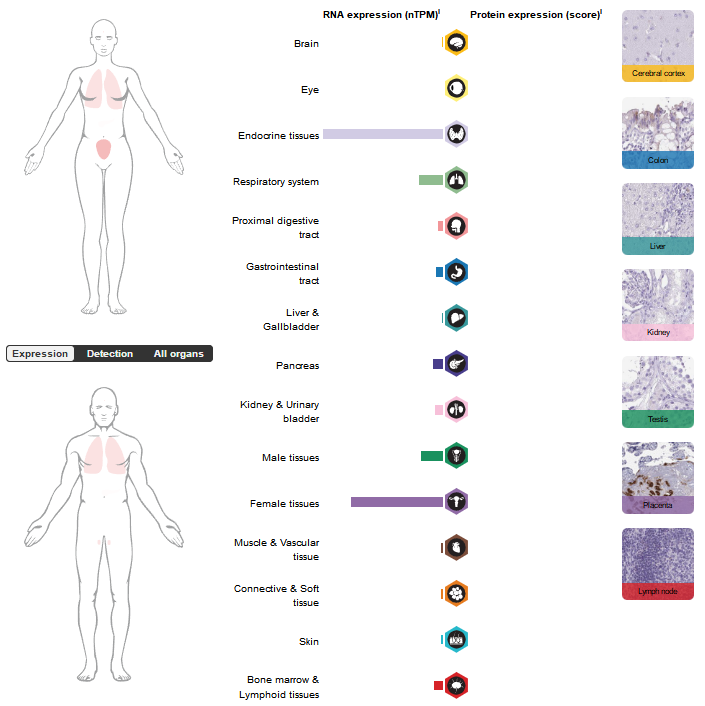

(Data source: uniprot)
The structure of HLAG and its receptor
HLAG is a single-transmembrane type I membrane protein. The HLAG gene is highly homologous to the classic MHC molecule, located on chromosome 6p21.3, and contains 8 exons that encode the signal peptide, the extracellular α1-α3 domain, the transmembrane domain, and the intracellular region, respectively.
HLAG generates seven different subtypes through alternative splicing. Subtypes HLA-G1, HLA-G2, HLA-G3, and HLA-G4 retain transmembrane domains to express the corresponding membrane-bound proteins, while HLA-G5, HLA-G6, and HLA-G7 exist in soluble form due to the lack of transmembrane domains.
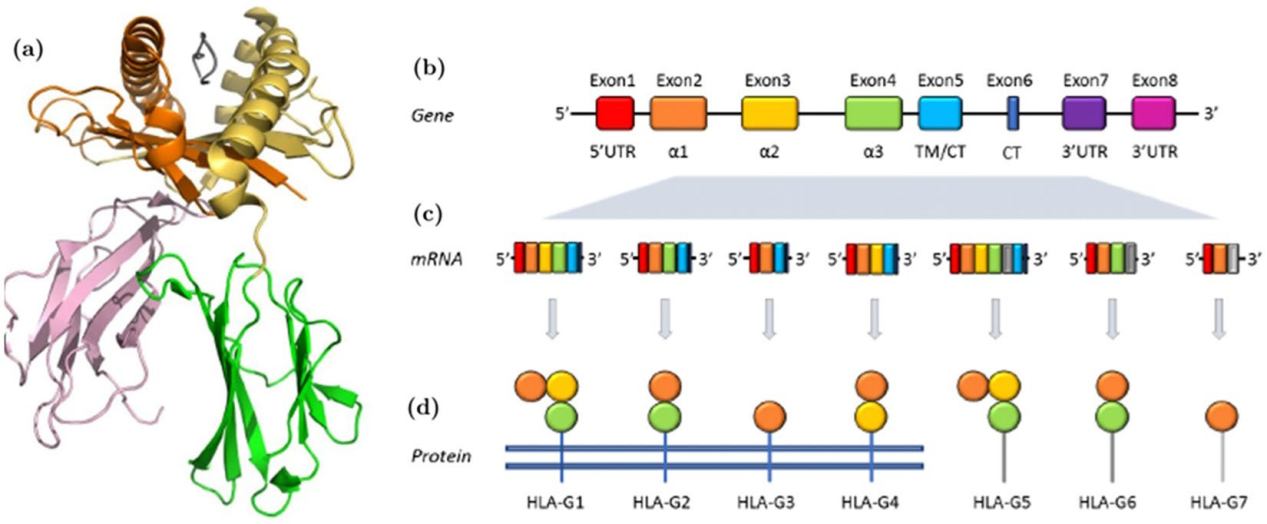
(Data source: Scarabel L, et al. Sci Rep. 2020)

(Data source: Wang S, et al. J Transl Med. 2024)
The role of HLAG in the tumor microenvironment
HLA-G can inhibit the cytotoxicity and chemotaxis of T cells and promote the differentiation of CD4+ T cells into Treg cells through direct binding; while sHLA-G can drive Th2 cell polarization and enhance TIM-3 expression, thereby indirectly exerting an inhibitory effect on T cells. Similarly, HLA-G can inhibit the cytotoxicity, chemotaxis, and migration of NK cells, while inducing their apoptosis and senescence. HLA-G also inhibits the cytotoxicity, chemotaxis, and migration of NK cells, induces apoptosis and senescence of B cells, and promotes the polarization of macrophages towards the M2 type. The proliferation and accumulation of MDSCs are inhibited by HLA-G. HLA-G also inhibits the activation and antigen-presenting function of DCs and promotes the induction of tolerant DCs. It is important to note that tumor cells can transfer HLA-G to other tumor cells and effector immune cells, thereby rapidly leading to the spread of immunosuppression.
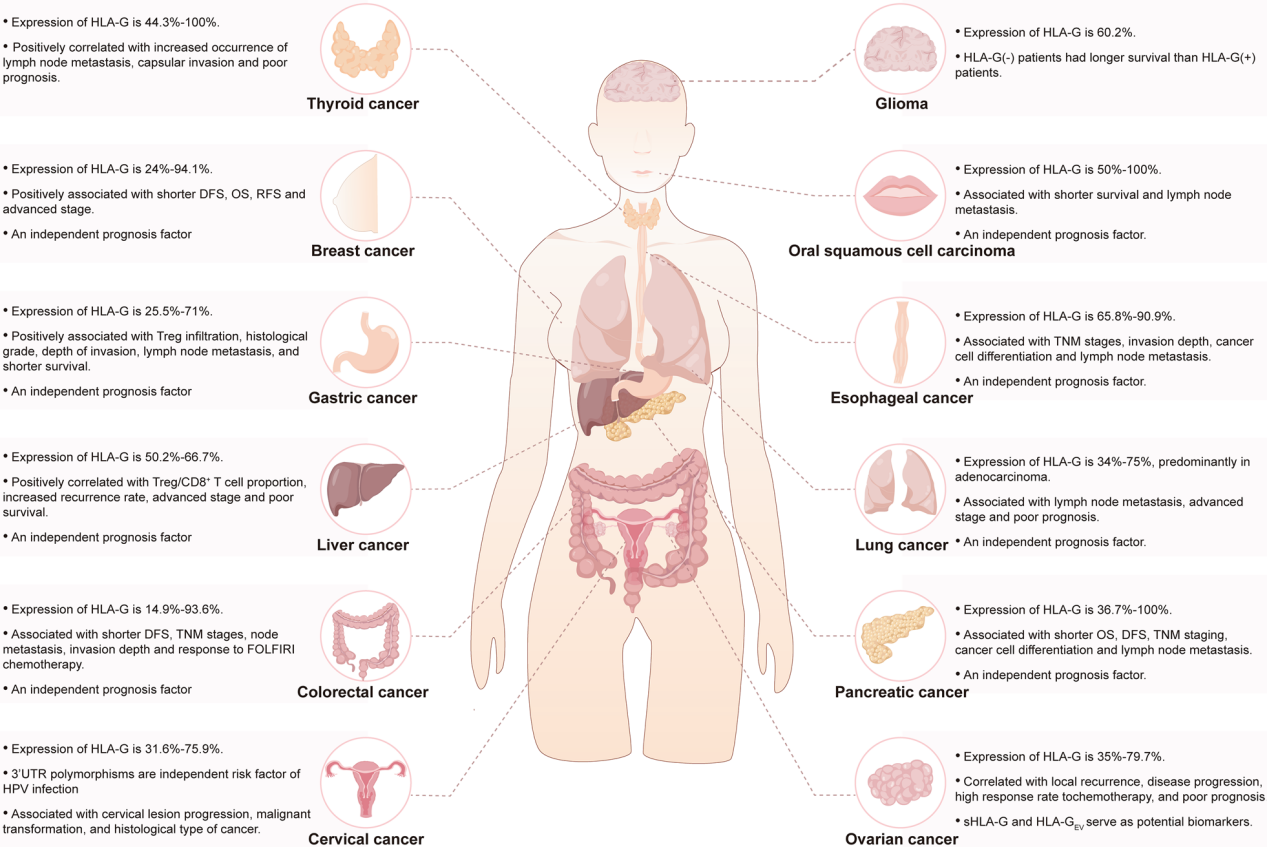
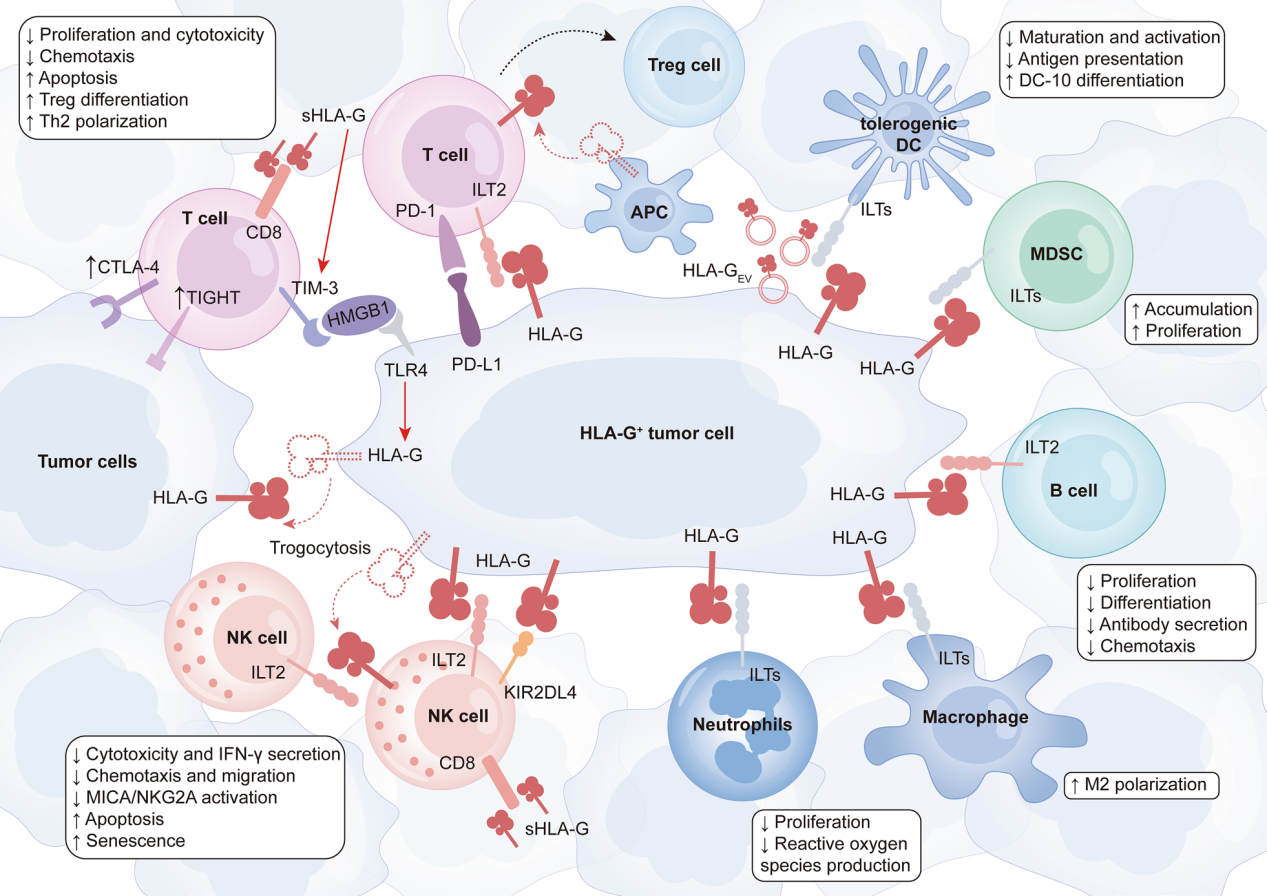
(Data source: Wang S, et al. J Transl Med. 2024)
Targeted therapy for HLAG
Due to the role of HLA-G in tumor immunity, many HLAG-targeting therapies are in clinical development and research stages. Monoclonal antibodies against HLA-G and CAR-NK cells can inhibit tumor growth. Anti-HLA-G antibodies can also serve as good partners with chemotherapy, immune checkpoint blockade (ICB), and targeted therapies (including CDK inhibitors, ERK inhibitors, AKT inhibitors, and angiogenesis inhibitors). Furthermore, small molecule inhibitors, miRNA mimics, and PROTACs (protein degradation targeting conjugates) may offer new opportunities for the future application of HLA-G.
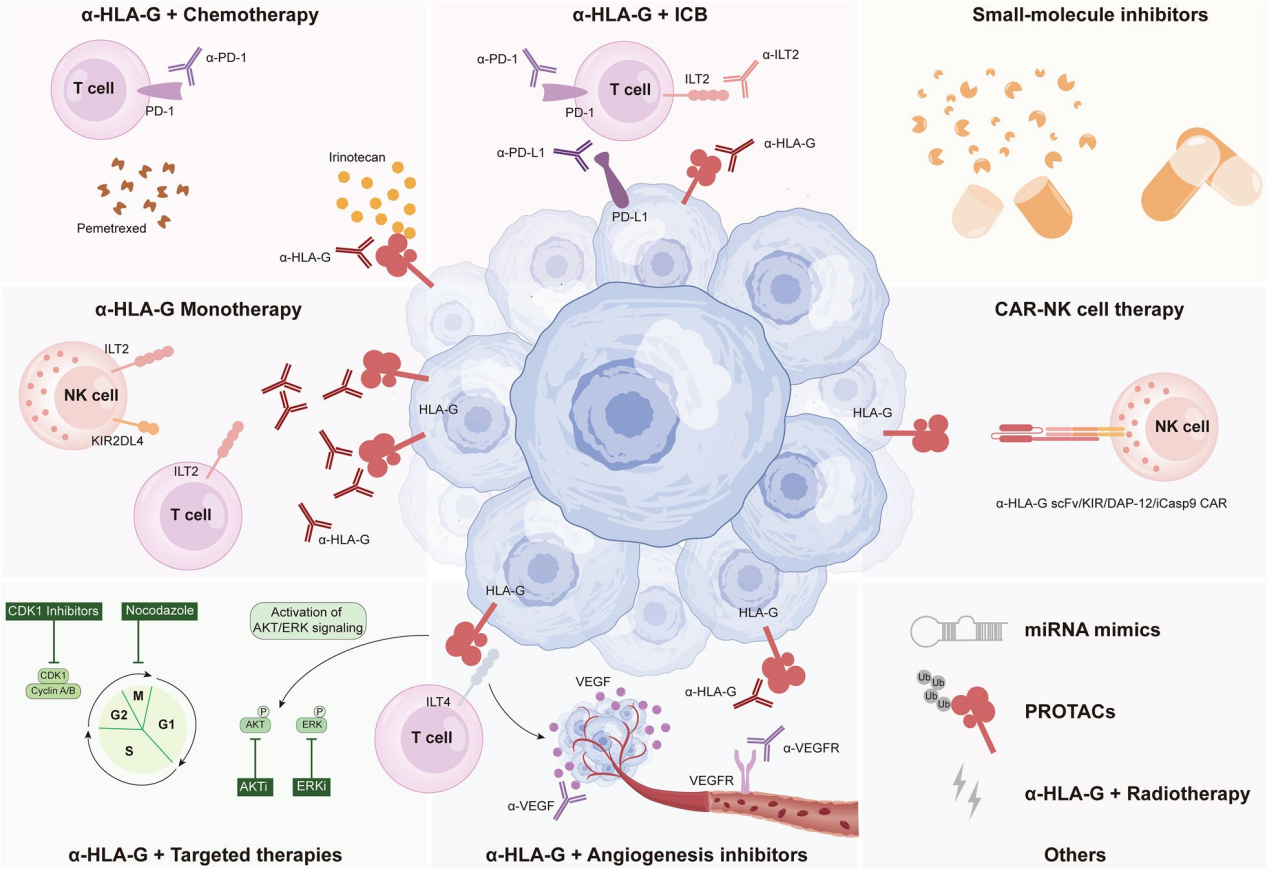
(Data source: Wang S, et al. J Transl Med. 2024)
TTX-080 is a humanized monoclonal antibody targeting HLA-G, developed by Tizonatx. TTX-080 specifically binds to HLA-G and blocks its interaction with ILT2 and ILT4. TTX-080 is being evaluated in combination with Cetuximab + FOLFIRI in a randomized phase 1b study in patients with metastatic colorectal cancer, based on the antitumor activity observed in a single-arm study of TTX-080.


(Data source: Tizonatx official website)
IMB-201 is a monoclonal antibody targeting HLAG that kills tumor cells by restoring the tumor microenvironment to normal through blocking the interaction of inhibitory receptors (which are the cause of tumor immune evasion). Furthermore, it is engineered to have a dual mechanism of action, achieving additional tumor-killing effects through the function of an HLA-G-based tumor-specific expression TSA Fc effector.

Leveraging the advantages of IMB-201 and the broad safety margin resulting from its targeting of TSA and HLA-G, imbiologics is attempting to develop a novel drug with an enhanced therapeutic index. This drug will utilize grafting technology to improve the efficacy of the IMB-201 antibody, thereby addressing a medical need that existing immune checkpoint inhibitors cannot meet.
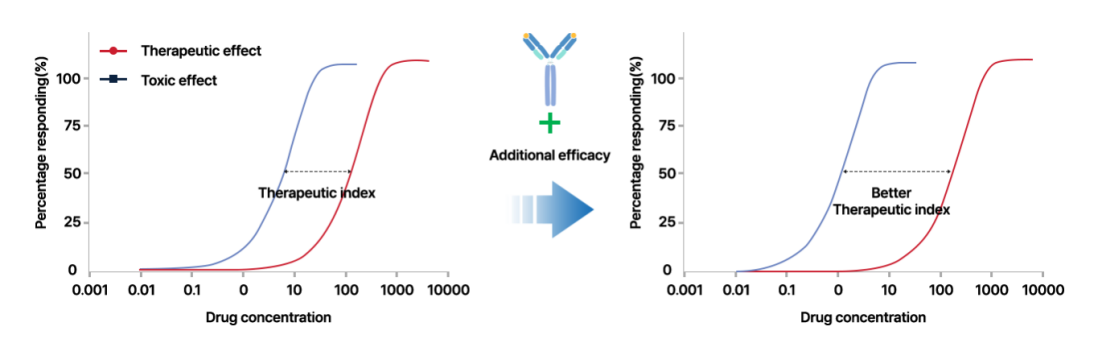
(Data source: Imbiologics official website)