Leukemia inhibitory factor (LIF), also known as differentiation-stimulating factor or melanoma-derived LPL inhibitor (MLPLI), is a pleiotropic protein belonging to the interleukin-6 family of cytokines. It is essential for maintaining the pluripotent state of embryonic stem cells and induced pluripotent stem cells. LIF has the ability to induce terminal differentiation of leukemia cells. Its activities include inducing hematopoietic differentiation of normal and myeloid leukemia cells, inducing neuronal cell differentiation, and stimulating acute-phase protein synthesis in hepatocytes. LIF supports the self-renewal of cancer stem cells, thus playing a role in the development and progression of various cancers.
LIF expression distribution
LIF is widely expressed in healthy tissues, mainly in secretory cells, luminal cells, glandular cells, basal cells, mast cells, and fibroblasts.
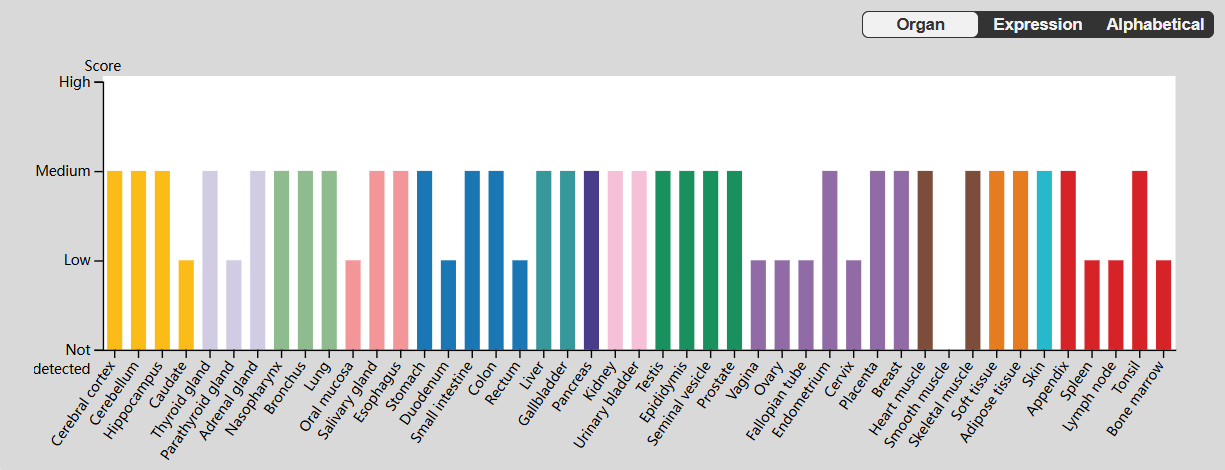
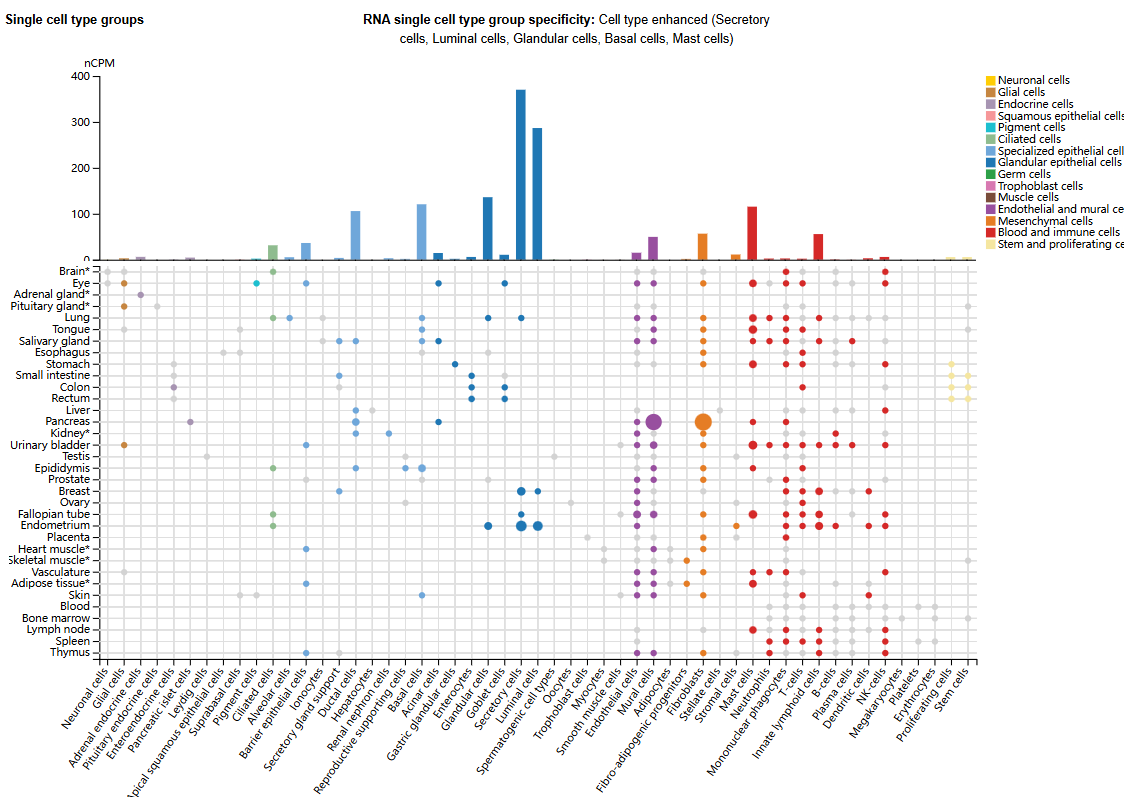
(Data source: uniprot)
LIF structure
LIF is a secreted protein belonging to the IL-6 family of cytokines, possessing the typical four-α-helix bundle structure of this family. It consists of 202 amino acids; the mature protein is formed after the N-terminal 22-amino acid signal peptide is cleaved. LIF interacts with its receptor through three structural sites, forming a 1:1:1 trimer signal complex. This complex consists of LIF binding to a gp130 molecule and a second receptor chain called LIFR (LIF receptor – which we will refer to as LIFRβ later).

(Data source: Nicola NA, et al. Cytokine Growth Factor Rev. 2015)
LIF signal transduction
LIF binds to the LIFRβ/gp130 receptor complex, activating tyrosine kinase pathways such as JAK-STAT3, PI3K/AKT, and MAPK. Activation of these pathways typically promotes cell differentiation, survival, and self-renewal. STAT3 is considered the most important downstream transducer of LIF/LIFR because it is believed to mediate most of the cellular effects of LIF. An important target of STAT3 is SOCS3, which provides negative feedback to inhibit the JAK/STAT and MAPK signaling pathways. SOCS1 can also inhibit LIF signal transduction
by inhibiting the JAK/STAT pathway.
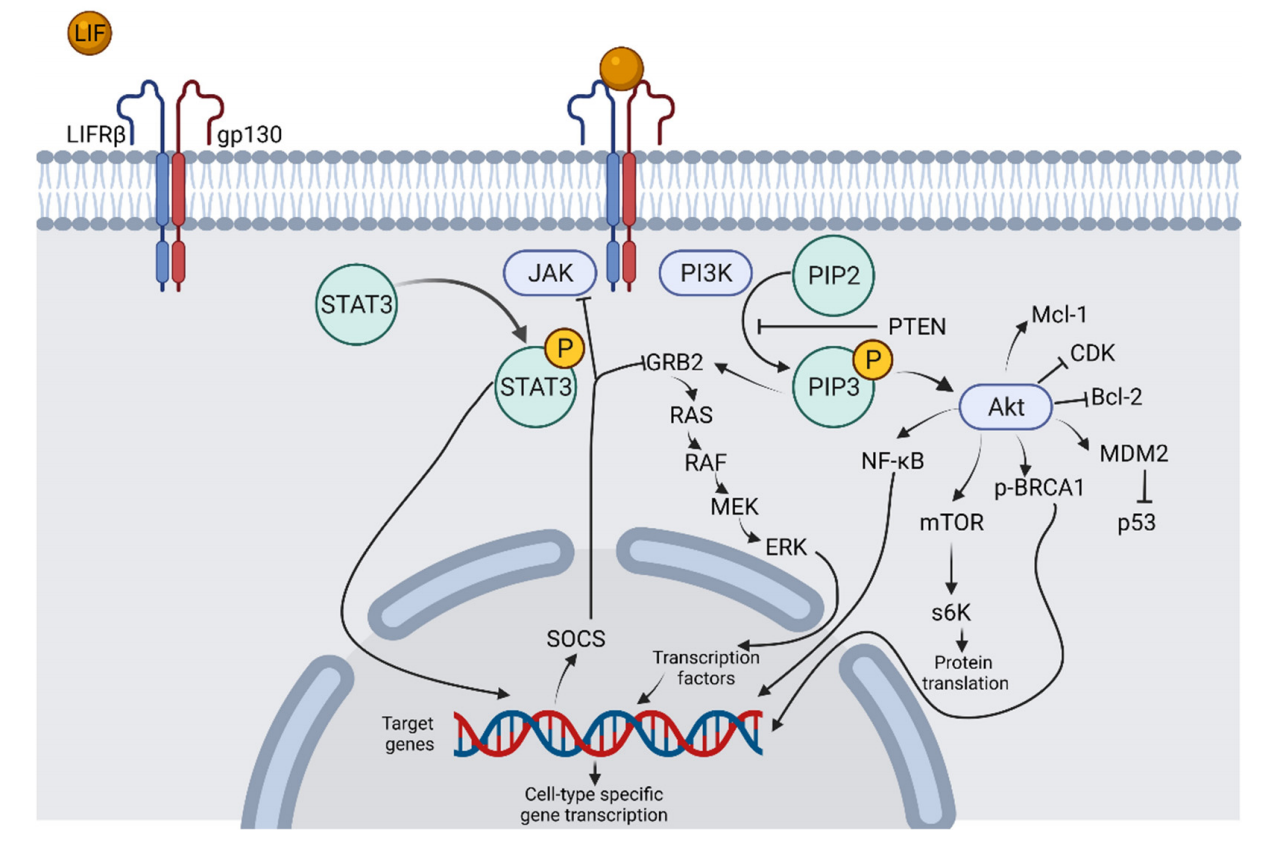
(Data source: Jorgensen MM, et al. Biomolecules. 2022)
The role of LIF in immune regulation
LIF exerts its immunosuppressive effect by inducing the differentiation of immune-tolerant Tregs and inhibiting the differentiation of Th17 cells, DCs, and macrophages, as well as pro-inflammatory responses.
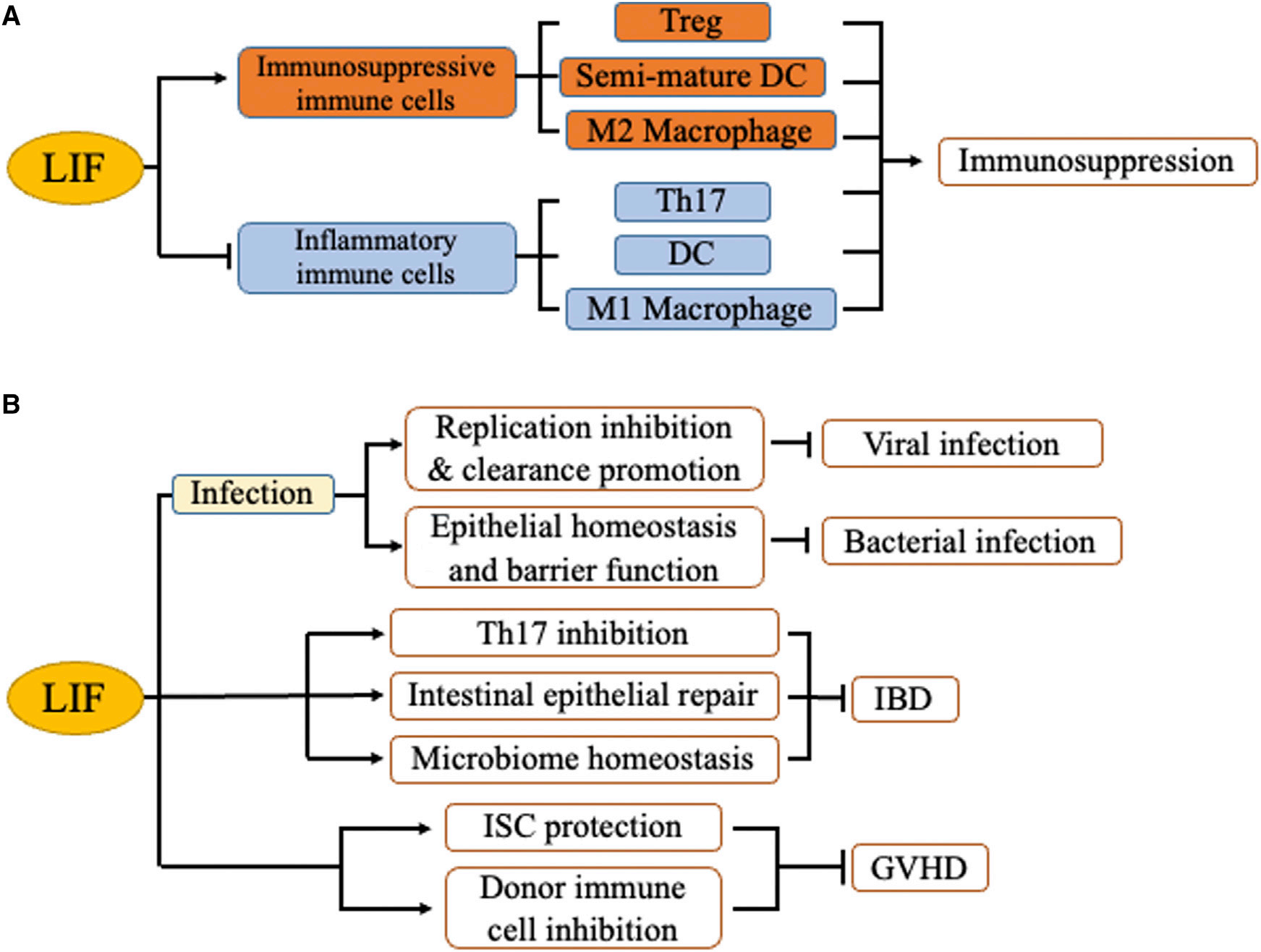
(Data source: Wang J, et al. Mol Ther. 2023)
The role of LIF in cancer
LIF/LIFR signaling promotes tumor progression by regulating multiple signaling pathways, including activation of STAT3, mTOR, AKT, and MAPK. The LIF/LIFR axis promotes cell survival, enhances stemness, and inhibits apoptosis. It also regulates various aspects of the tumor microenvironment, including macrophage signaling. The autocrine and paracrine loops of LIF/LIFR signaling also drive cancer progression. LIF enhances many tumor characteristics of solid tumors, such as cancer stemness, immunosuppression, and metabolic reprogramming, thereby promoting tumorigenesis.
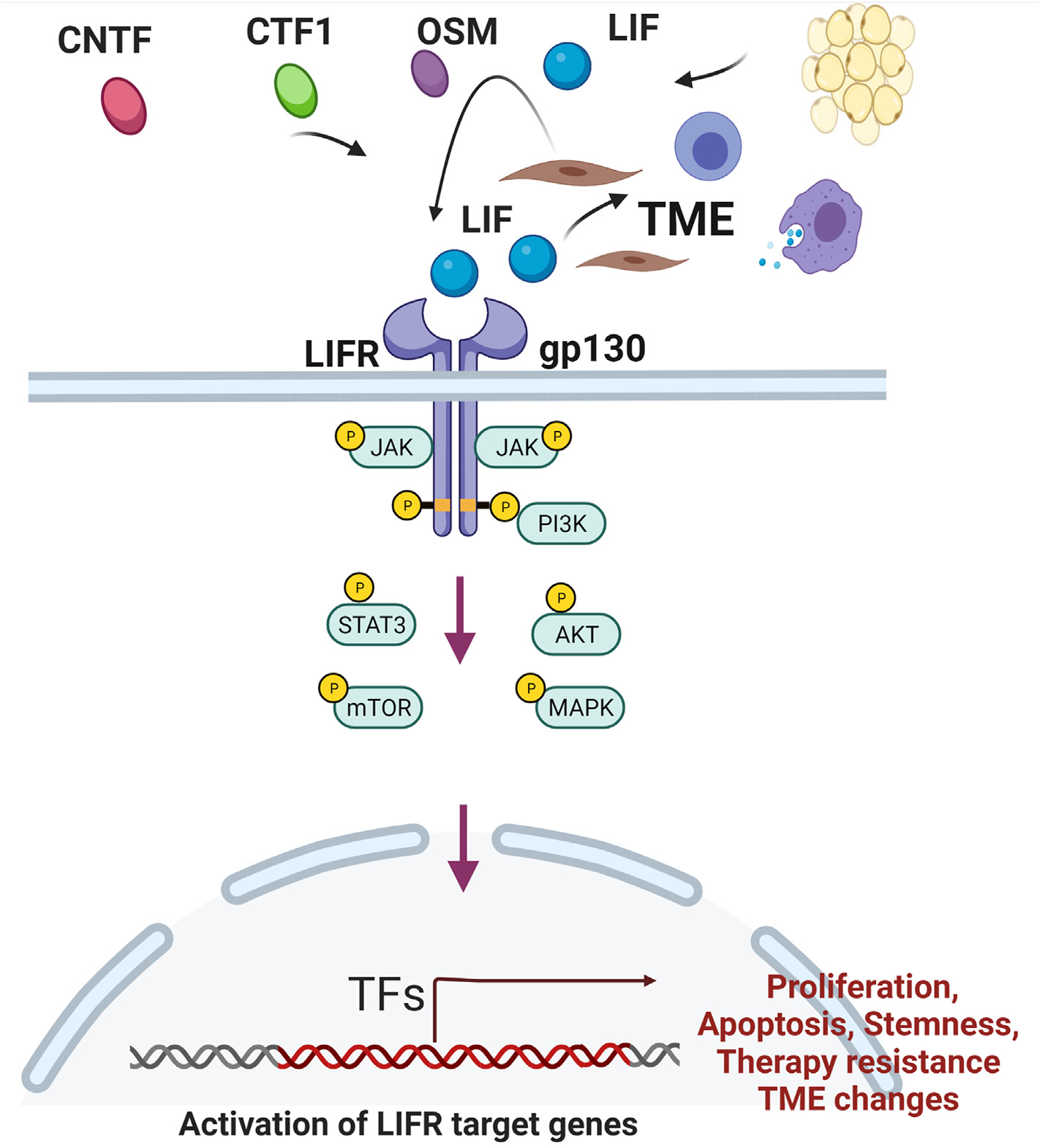
(Data source: Viswanadhapalli S, et al. Genes Dis. 2021)
Targeted therapy for LIF
Due to the tumor-promoting effect of LIF in solid tumors, LIF can be a target for cancer therapy. Two approaches have been developed to block LIF signaling for cancer treatment: neutralizing LIF using LIF-neutralizing antibodies, and blocking the binding of LIF to LIFR using small molecule inhibitors.
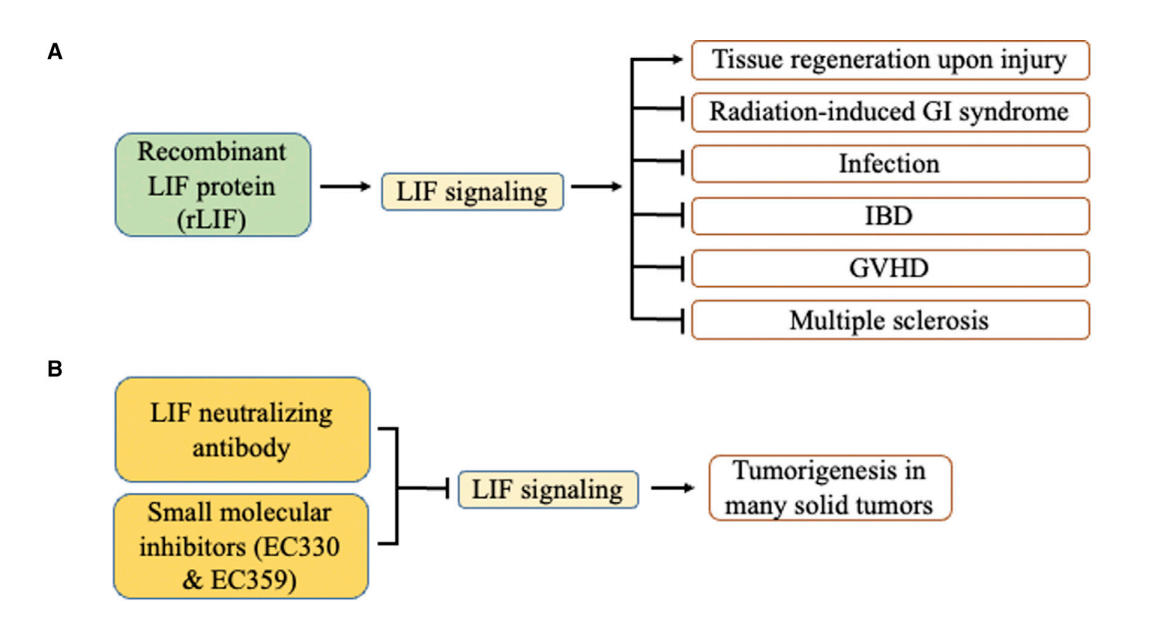
(Data source: Wang J, et al. Mol Ther. 2023)
JAB-BX300 is a monoclonal antibody developed by Jacobio, targeting LIF (leukemia inhibitory factor) for the treatment of advanced solid tumors. It is currently in Phase 1/2 clinical trials. LIF is an important biomarker for pancreatic cancer, and related studies have shown that LIF plays a crucial role in KRAS-driven cancer models, and antibodies can block LIF and improve treatment outcomes. LIF is an attractive target for treating KRAS-driven tumors (such as pancreatic cancer and colorectal cancer) and holds promise for combination therapy with KRAS inhibitors or SHP2 inhibitors.
Small molecule inhibitors that block LIF-LIFR interactions have been developed to block LIF signaling. EC330 and EC359 are two Class I LIFR inhibitors that competitively inhibit LIF-LIFR interactions by occupying LIF binding sites in the LIFR complex.