ADAMTSL5 is a secreted glycoprotein belonging to the ADAMTS superfamily but lacking protease activity. It is widely expressed in various tissues, including skin and joints, serving as both a structural regulatory molecule in the extracellular matrix and a self-antigen in the immune system. While maintaining the normal structure and function of connective tissue, ADAMTSL5 is also deeply involved in the pathogenesis of immune-related diseases such as psoriasis, making it a key molecule bridging structural biology and clinical medicine.
ADAMTSL family
Secretory integrins and metalloproteinases, along with platelet-reactive protein type 1 repeat motif-like proteins (ADAMTSL), constitute a family of regulatory extracellular matrix proteins. They are associated with ADAMTS proteases but lack their protease domains. In mammals, the ADAMTS protein family comprises seven members: ADAMTS1-6 and papilin. ADAMTS proteins are characterized by an N-terminal TSR domain, followed by a cysteine-rich domain, a spacer domain, and a C-terminal protease and PLAC domain. These core domains extend through a series of additional domains, thus distinguishing different ADAMTS proteins.
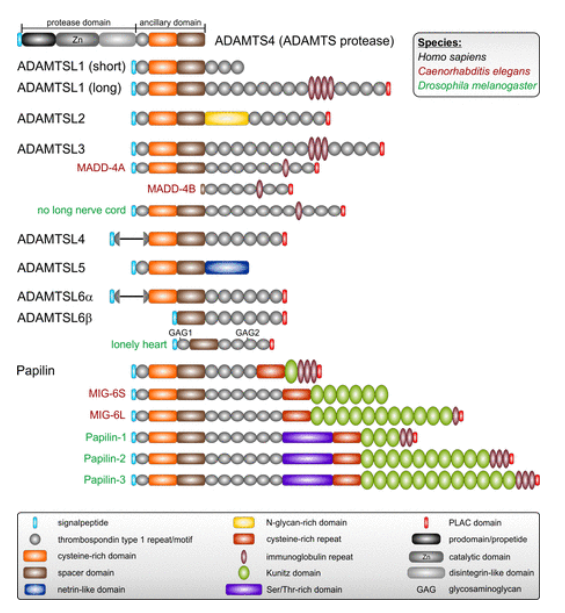
(Data source: Taye N, et al. Am J Physiol Cell Physiol. 2024)
Basic Structure of ADAMTS L5
The ADAMTS L5 gene is located on chromosome 19 (19p13.3) and encodes 481 amino acids (aa). It is a secreted protein. The initial hydrophobic region, consisting of the first 42 amino acid residues, is the signal peptide (SSP). The region from aa to 481 aa is the main chain of the gene, containing an N-glycosylation site linked to asparagine and multiple disulfide bonds. It includes an N-terminal TSR domain, a cysteine-rich module, a spacer module, and a C-terminal NTR module linked to the spacer module via a proline-rich fragment. ADAMTS L5 is highly conserved in humans and mice, with 82% amino acid identity; if functionally conserved amino acids are included, the overall similarity is 88%. The NTR module of ADAMTS L5 contains several conserved residues specific to this domain, including six cysteine residues and several hydrophobic amino acids, showing the highest homology with the NTR module of netrin 5, whose function is unknown.
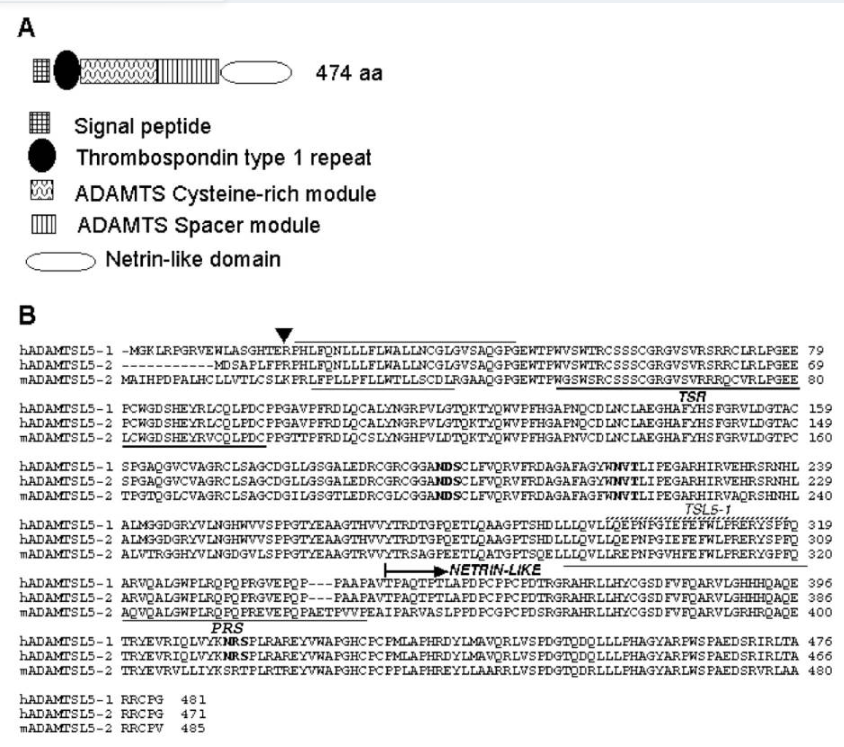
(Data source: Bader HL, et al. Matrix Biol. 2013)
Tissue expression and distribution of ADAMTSL5
As a secreted protein, ADAMTSL5 is secreted extracellularly and primarily localized in the extracellular matrix (ECM), co-localizing with its microfibril structures. ADAMTSL5 exhibits high levels of mRNA expression in the endometrium, heart, and adipose tissue. In the skin, it has been found expressed in epidermal melanocytes, keratinocytes, and some dermal blood vessels and perivascular cells.
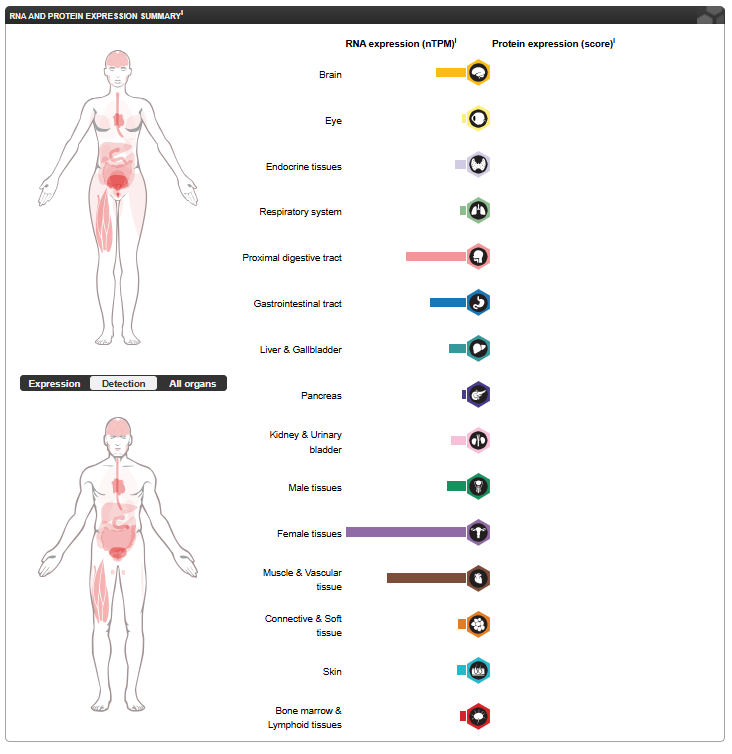
(Data source: proteinatlas)
Biological functions of ADAMTSL5
1. Binding fibrin-1 and fibrin-2: This is one of its most critical functions. ADAMTSL5 can bind fibrin-1 (FBN1) and fibrin-2 (FBN2) simultaneously and co-localize with microfibrils composed of these proteins, participating in the construction and homeostasis of tissue structure.
2. As a matrix regulatory protein: ADAMTSL5 lacks protease activity. It mainly functions as a secretory glycoprotein in the ECM and is considered a regulator of connective tissue function.
3. As an autoantigen: This is currently the most concerning pathological function of ADAMTSL5. In psoriasis patients carrying the HLA-C*06:02 risk allele, a specific peptide of ADAMTSL5 is recognized as a foreign antigen by CD8+ T cells in the skin, thereby activating and attacking the patient's own melanocytes, triggering an inflammatory response.
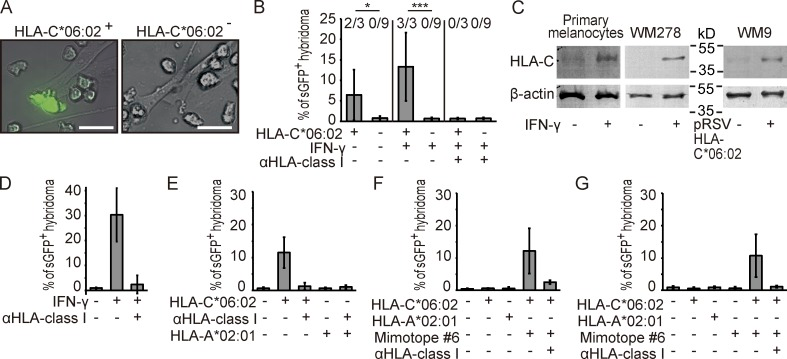
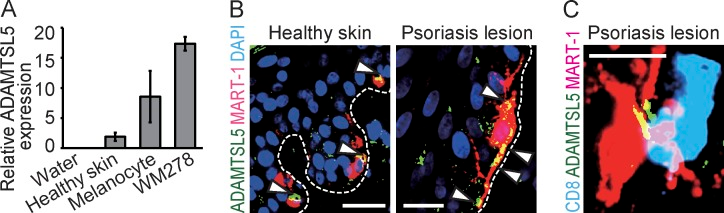
(Data source: Arakawa A, et al. J Exp Med. 2015)
Clinical application potential of ADAMTSL5
1. As an auxiliary diagnostic marker for psoriasis, one study showed that detecting serum anti-ADAMTSL5 antibody levels could significantly distinguish between psoriasis patients and healthy individuals.
2. Overexpression of its gene can serve as a diagnostic marker for liver cancer.
3. In pan-cancer analysis, the expression level of ADAMTSL5 was associated with overall survival (OS) and drug response in some cancer patients.
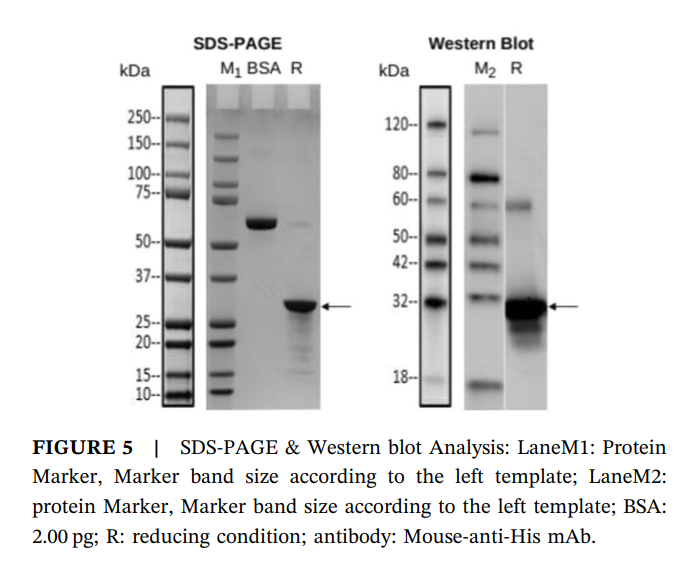
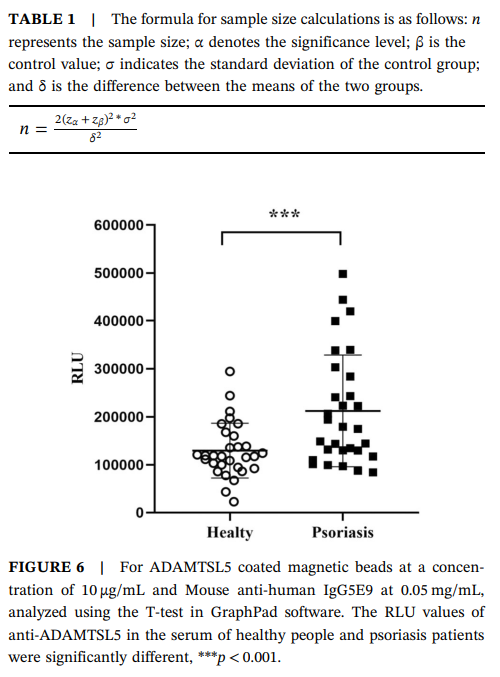
(Data source: Qin R, et al. Immun Inflamm Dis. 2024)