The insulin-like growth factor binding protein 3 receptor (TMEM219) is an IGFBP3-specific cell death receptor that may mediate apoptosis via caspase-8 after ligand binding. This pathway plays a central role in pancreatic β cells and intestinal stem cells, and its abnormal activation is closely related to the development and progression of diseases such as diabetes and inflammatory bowel disease (IBD).
Expression distribution of TMEM219
TMEM219 is widely expressed in various cell types, with high expression on the surface of immune cells such as monocytes, macrophages, dendritic cells, and T lymphocytes. Its expression level is often further upregulated, especially in pro-inflammatory environments. It is also distributed in intestinal epithelial cells, lung epithelial cells, and vascular endothelial cells. In various solid tumors (such as colorectal cancer and breast cancer) and hematologic malignancies, TMEM219 often exhibits abnormally high expression and is closely related to the inflammatory state of the tumor microenvironment.
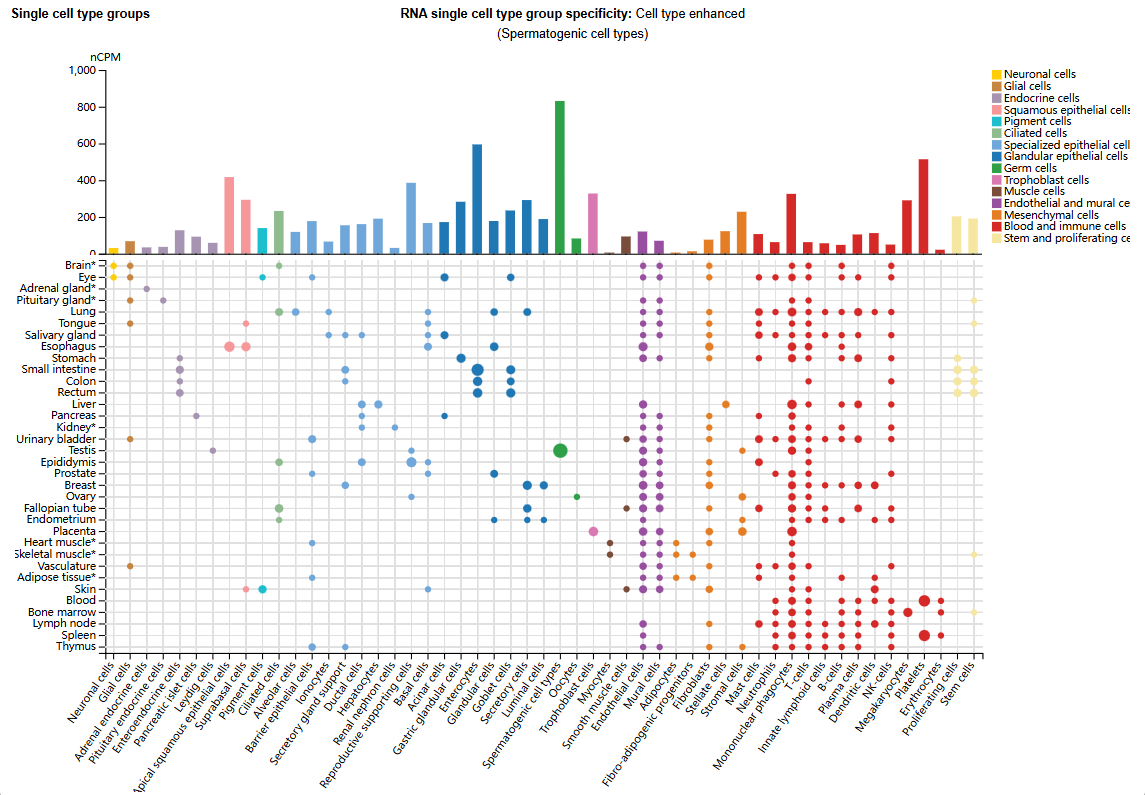
(Data source: uniprot)
The structure and receptor of TMEM219
TMEM219 is a transmembrane protein. Mature IGFBP-3R consists of 202 amino acids and comprises three domains: an extracellular, transmembrane, and cytoplasmic domain. The extracellular domain contains three potential N-glycosylation sites (amino acids 73, 101, and 167) and three potential phosphorylation sites (S36, T75, and T77). The single transmembrane domain contains a leucine zipper-like heptapeptide repeat pattern characterized by a leucine zipper interaction domain. The intracellular domain lacks the classic death domain but contains motifs capable of recruiting downstream signaling molecules, thereby initiating non-apoptotic signal transduction.
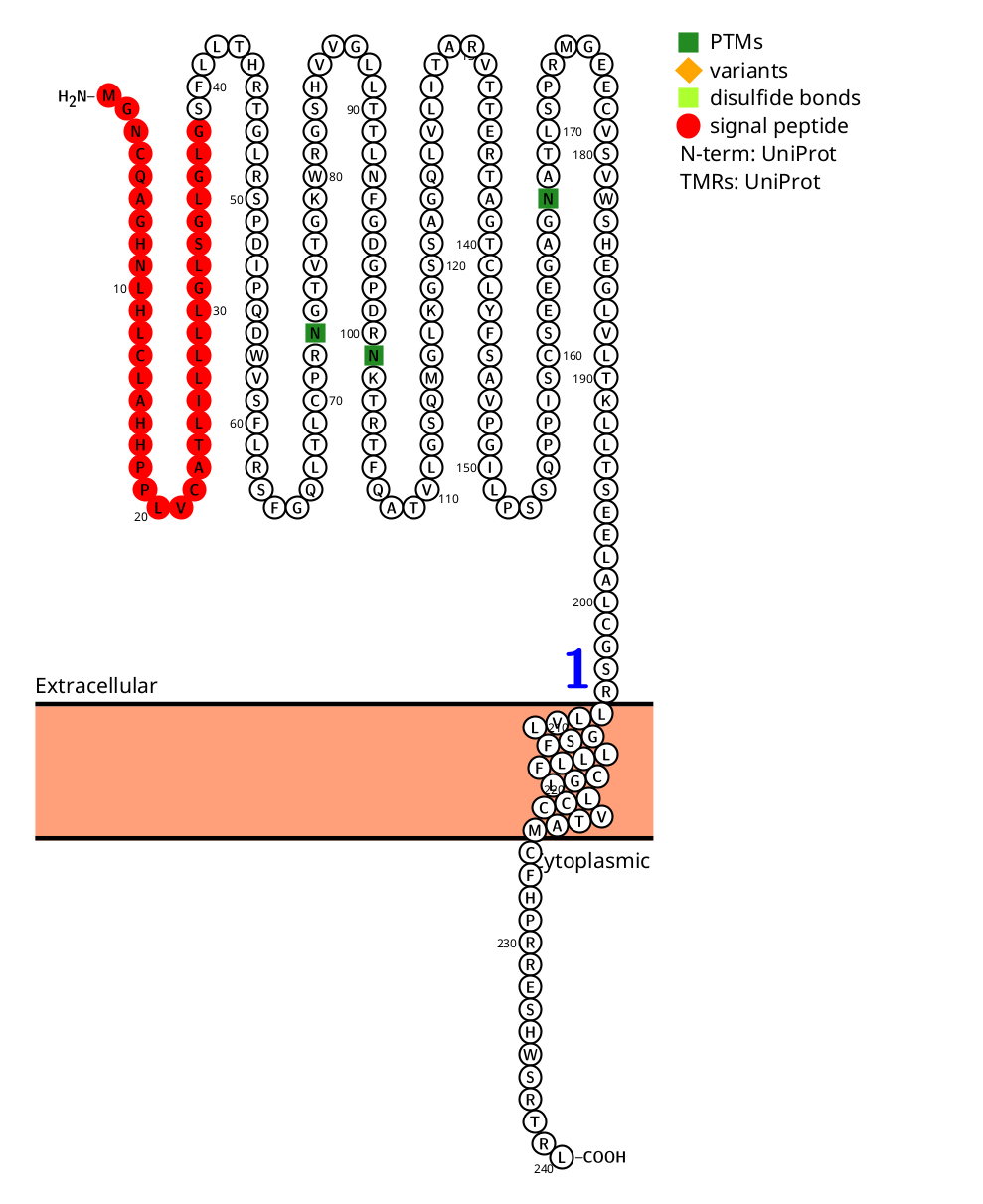
(Data source: protter)
TMEM219 signaling pathway and its role in disease
IGFBP-3R activates caspase-8-induced apoptosis in a non-traditional manner. IGFBP-3R and inactive pro-caspase-8 form a pre-complex during the resting phase. IGFBP-3 binds to IGFBP-3R, releasing pro-caspase-8, thereby activating caspase-8-dependent apoptosis. The binding of IGFBP-3R to pro-caspase-8 does not involve the typical death domain (DD) sequence. Following activation by various death receptors such as TNF-α receptor, TNF-associated apoptosis-inducing ligand receptor 1 (TRAIL-R1/DR4), TRAIL-R2 (APO-2/DR5), and CD95 (Fas, APO-1), the DD sequence in the intracellular receptor region recruits aptamers (FADD) and pro-caspase-8 to form the death-inducing signaling complex (DISC).
The levels of TMEM219 in intestinal tissue and serum are significantly elevated in patients with Crohn's disease (CD) and ulcerative colitis (UC). An aberrant TMEM219-mediated death of intestinal stem cells (ISCs) exists in Crohn's disease (CD), which exacerbates colitis, limits ISC-dependent mucosal repair, and exerts its effect by activating Caspase-8 signaling. The inability of the mucosa to self-renew plays a crucial role in the pathogenesis of CD, which may be related to the aberrant activation of harmful TMEM219 signals in ISCs. Inhibiting cell death (such as that mediated by the TMEM219 pathway) from transmitting regenerative signals to the mucosa may contribute to intestinal mucosal healing.
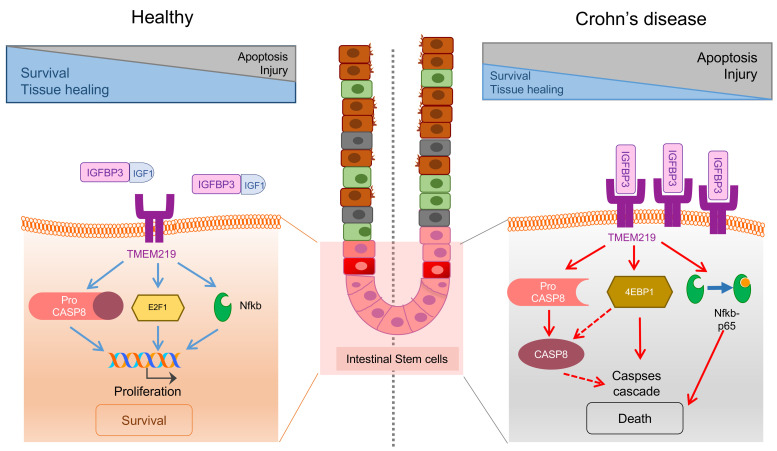
(Data source: D'Addio F, et al. J Clin Invest. 2025)
TMEM219 is expressed in pancreatic β cells. The TMEM219/IGFBP3 signaling pathway regulates pancreatic β cell homeostasis. TMEM219 induces β cell apoptosis through a Caspase-8-dependent mechanism, leading to β cell loss and dysfunction. Elevated peripheral IGFBP3 levels have been observed in diagnosed and high-risk T1D/T2D diabetes patients, which may be associated with disease progression and exacerbate β cell loss by activating the TMEM219 pathway. Targeting IGFBP3/TMEM219 may become a therapeutic option for diabetes.
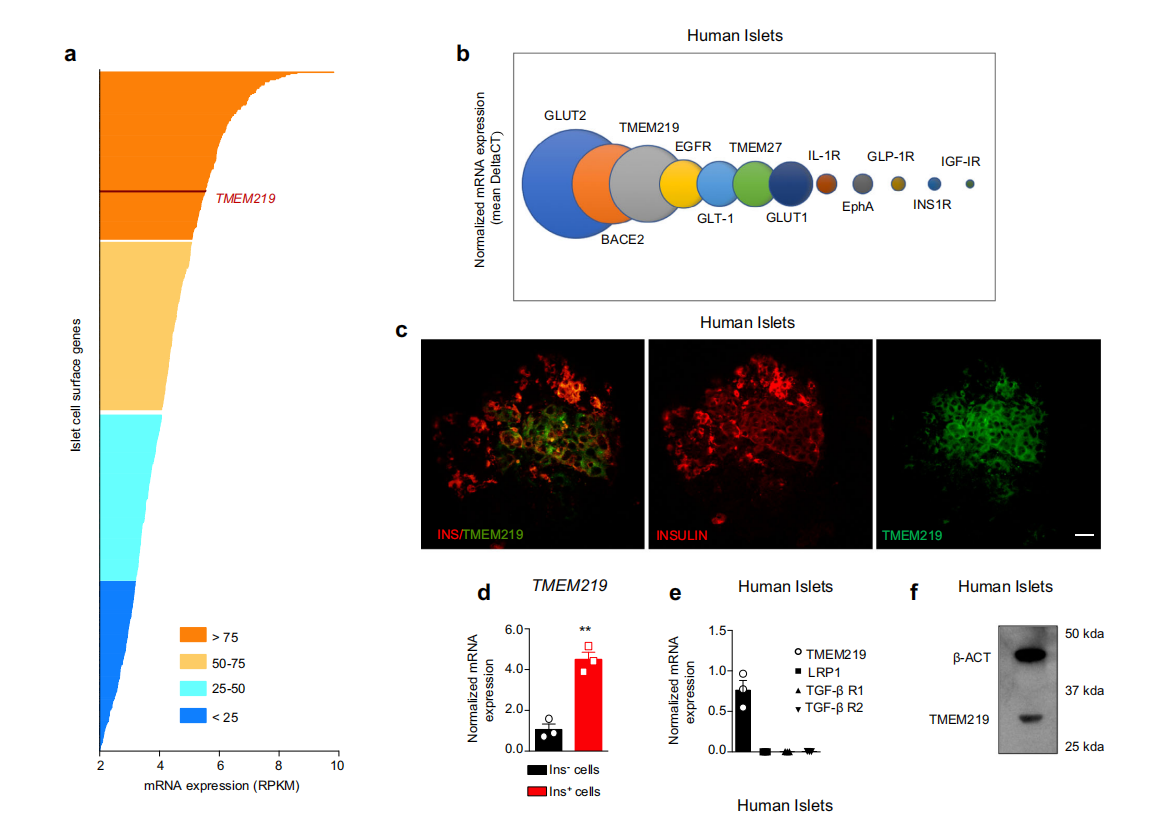
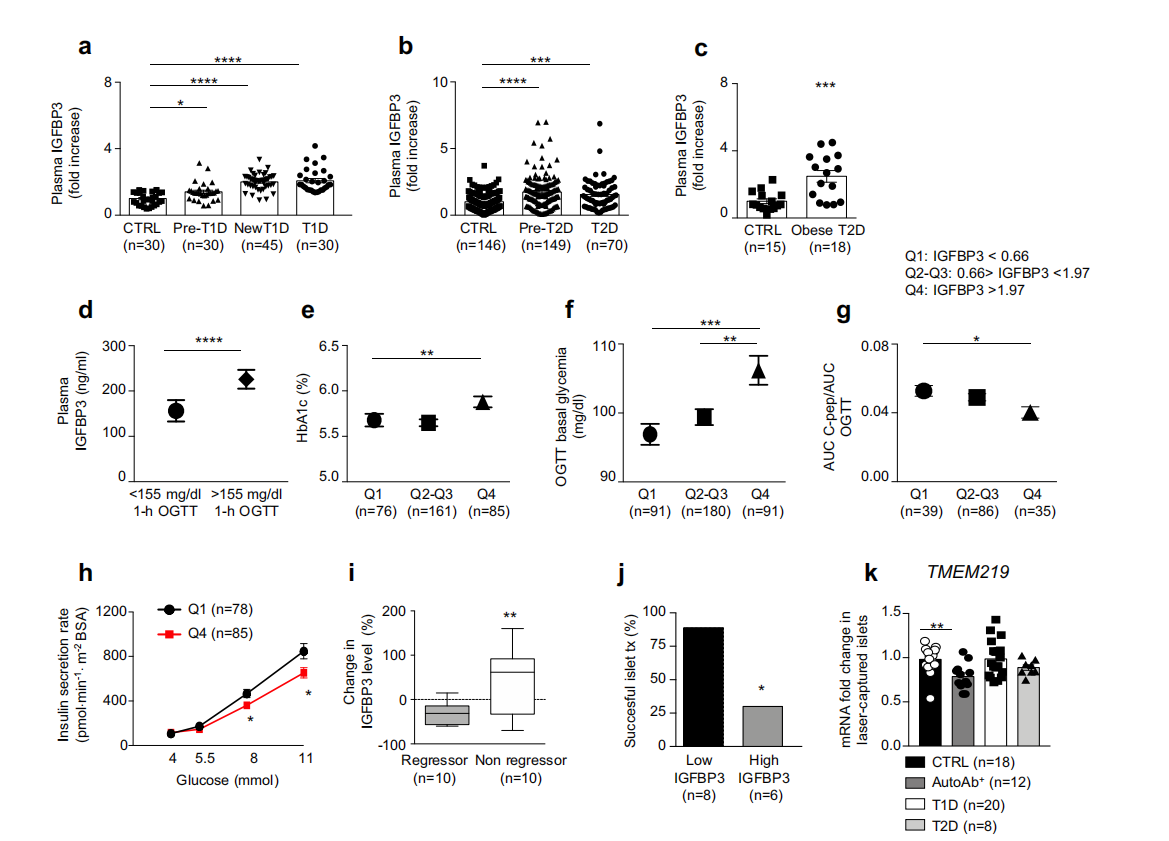
(Data source: D'Addio F, (et al. Nat Commun. 2022)
Targeted therapy for TMEM219
Ebrasodebart (ENT 001) is a monoclonal antibody targeting TMEM219, developed by Enthera Srl for the treatment of inflammatory bowel disease and type 1 diabetes, and is currently in Phase 1 clinical trials. ENT 001 restores the original structure and function of the intestine by inhibiting cell apoptosis in tissues by blocking the binding of TMEM219 to IGFBP-3. ENT 001 is the only investigational drug with the potential to restore endogenous pancreatic β cells.


(Data source: Enthera Srl official website)