The glucocorticoid receptor (GR) is a member of the nuclear receptor (NR) superfamily, subgroup 3, encoded by the NR3C1 gene, located on chromosome 5 (5q31). GR is a steroid hormone-activated transcription factor that binds to various glucocorticoid response elements, thereby participating in the regulation of processes such as metabolism, development, stress, and inflammation. In summary, the glucocorticoid receptor encoded by the NR3C1 gene has clinical value far beyond being a target for anti-inflammatory drugs. It profoundly influences the efficacy of glucocorticoid therapy, the diagnosis and prognostic assessment of various diseases, and has spurred entirely new targeted therapy strategies.
Basic structure of GR
The glucocorticoid receptor (GR) is encoded by the NR3C1 gene, a nuclear receptor subgroup C member located on chromosome 5 (5q31). It is a ligand-dependent transcription factor encoding 777 amino acids (aa) and contains a predominantly disordered N-terminal domain (NTD) and two structured domains: a DNA-binding domain (DBD) and a C-terminal ligand-binding domain (LBD) connected by a flexible hinge region. The NTD contains the Activation Function-1 (AF-1) region, which is essential for complete transcriptional activity. In the absence of a ligand, GR binds to heat shock proteins and remains in the cytoplasm. Ligand binding promotes the translocation of GR into the nucleus, where it binds to specific glucocorticoid response elements (GREs) and recruits transcriptional co-regulators (co-activators and co-repressors). The resulting transcriptional complex is environment-specific and can lead to transcriptional activation or repression of target genes.
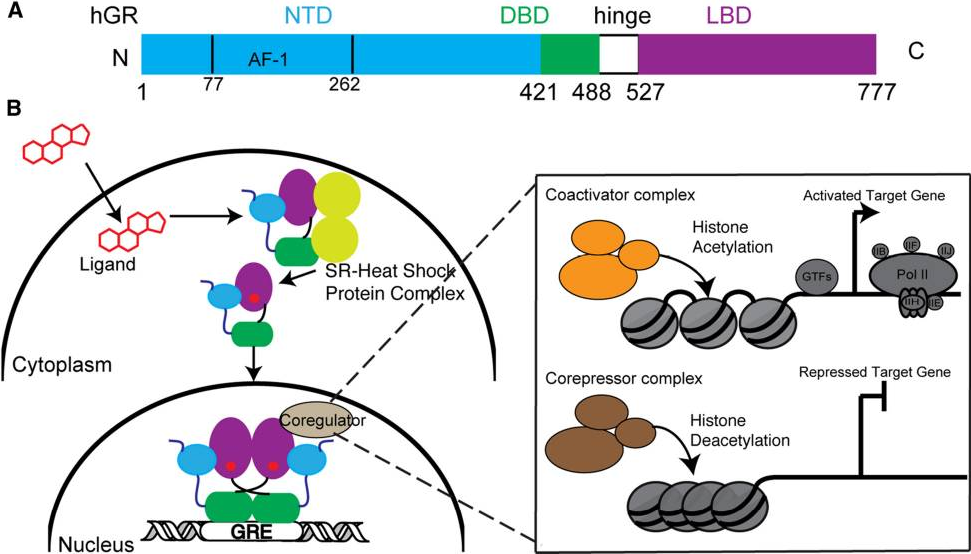
(Data source: Frank F, et al. Biochem Soc Trans. 2021)
GR's main functions
1. It participates in metabolic regulation: regulating glucose metabolism, promoting hepatic gluconeogenesis (increasing glucose production), and raising blood glucose; regulating lipid metabolism, promoting lipolysis (increasing free fatty acids), but long-term high doses can easily lead to central obesity. It regulates protein metabolism, promoting the breakdown of proteins in peripheral tissues such as muscles, skin, and bones, releasing amino acids for gluconeogenesis; it regulates water and electrolyte metabolism, and g has weak mineralocorticoid activity (at high doses), which can conserve sodium and excrete potassium.
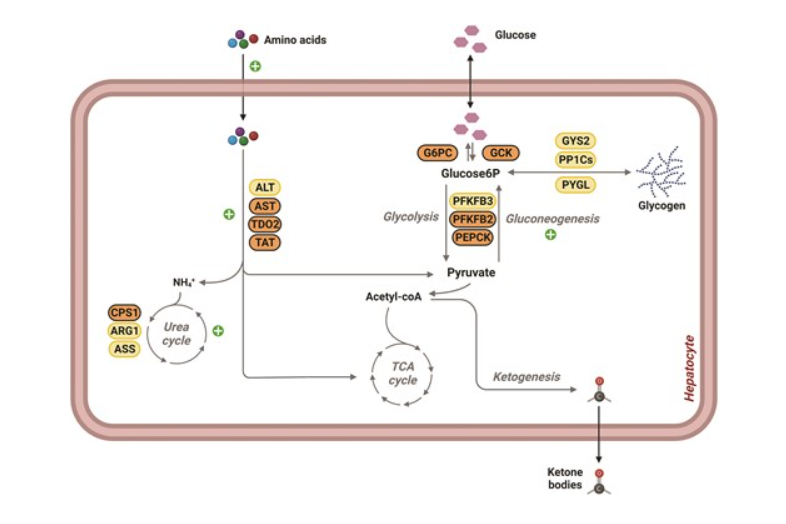
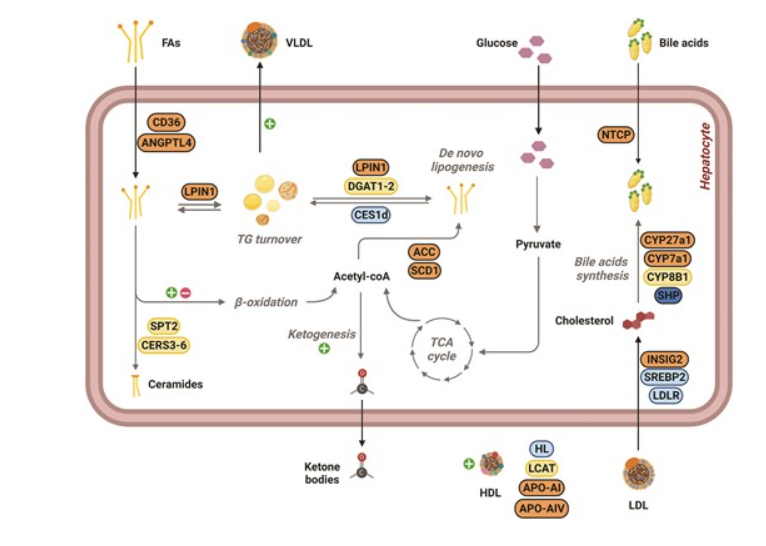
(Data source: Quagliarini F, et al. Eur J Endocrinol. 2023)
2. Involved in anti-inflammatory and immune responses: The immunomodulatory function of glucocorticoids (GRs) is the molecular basis for the widespread use of glucocorticoids as anti-inflammatory drugs. For example, they can regulate and inhibit the transcription of inflammation-related cytokines (such as IL-1, IL-6, and TNF-α); inhibit phospholipase A2 and reduce arachidonic acid metabolites (prostaglandins and leukotrienes); and induce anti-inflammatory proteins (such as Annexin A1 and IL-10).
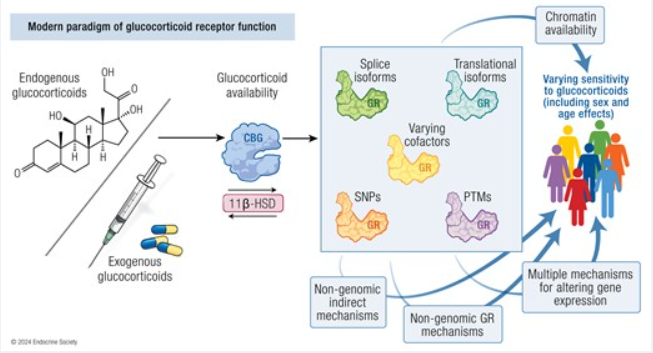
(Data source: Jack Lockett, et al. Endocrine Reviews. 2024)
3. Involved in stress response and homeostasis regulation: As the terminal effector of the hypothalamus-pituitary-adrenal (HPA) axis, it can mediate the body's adaptive response to stressors such as infection and prevent excessive stress.
Clinical significance of NR3C1
1. Targeted therapy: NR3C1 inhibitors (taking Cushing's syndrome as an example) In diseases with excessive cortisol, traditional drugs (such as mifepristone) have limitations, while the new generation inhibitor Relacorilant has been approved by the FDA to conduct a clinical proof-of-concept study in combination with nab-paclitaxel for the treatment of cancer.
2. Diagnostic and prognostic biomarkers: High expression of the NR3C1 gene can serve as a biomarker for diagnosing PTSD, with a diagnostic accuracy (AUC) of 0.797; NR3C1 is a key biomarker for drug resistance (such as 5-FU) and poor prognosis in colorectal cancer.
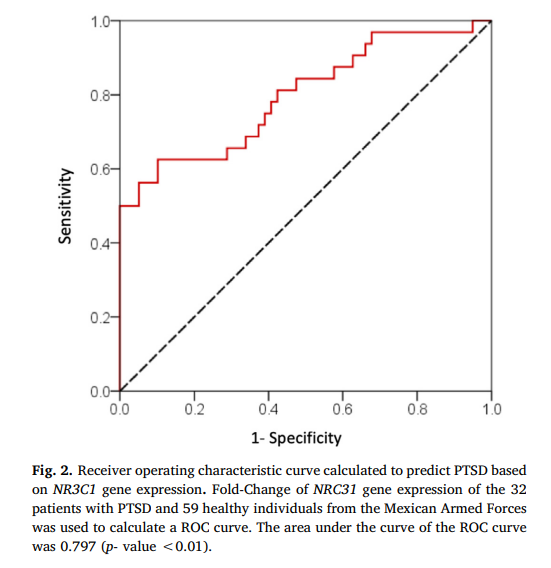
(Data source: González Ramírez C, et al. Psychiatry Res. 2020)
3. Clinical drug resistance studies: In gastric cancer, enhancer activation of the core transcription factor NR3C1, driving the high expression of downstream genes, is a key mechanism leading to 5-fluorouracil (5-FU) resistance; in acute lymphoblastic leukemia (ALL), gene mutations, deletions, or downregulation of NR3C1 are one of the main reasons for leukemia cells' resistance to GC treatment and eventual relapse.
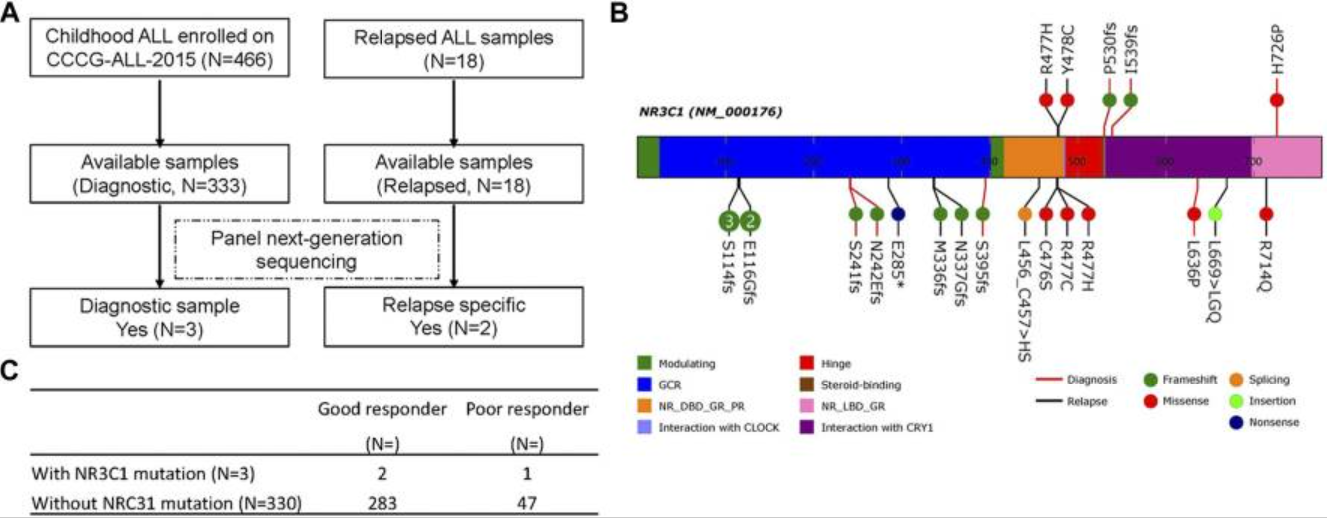
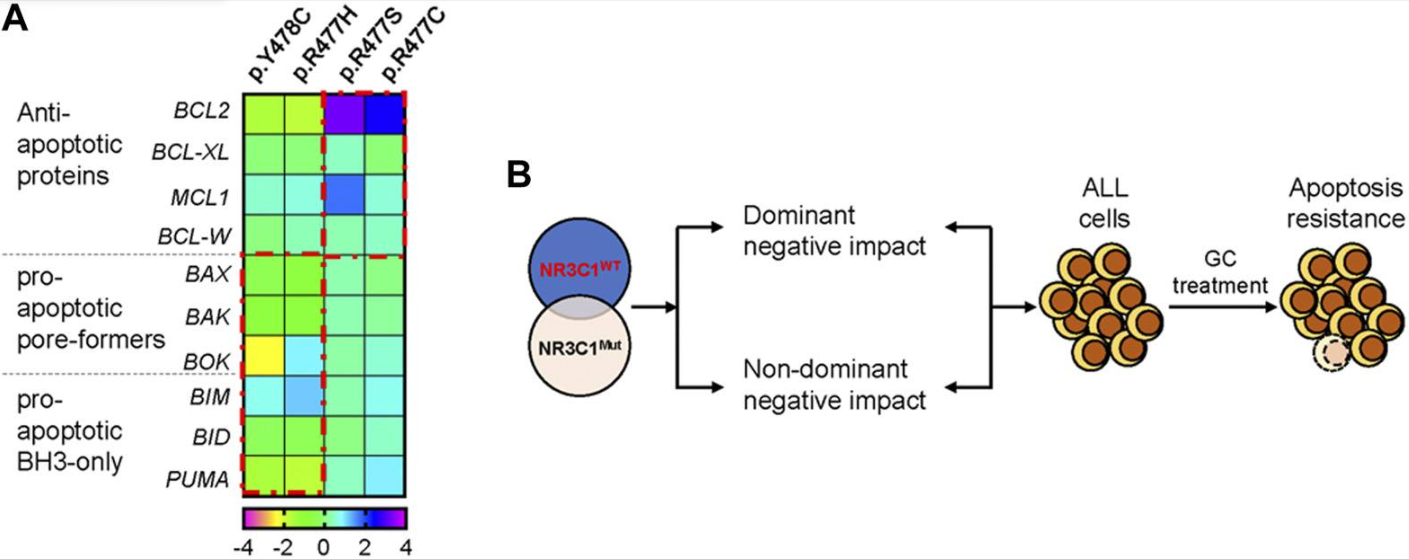
(Data source: Liu H, et al. Front Pharmacol. 2021)