Pituitary adenylate cyclase activating peptide (ADCYAP1/PACAP) plays a broad and powerful physiological and pathophysiological role in the central and peripheral nervous systems. By activating the PACAP subfamily of B1 G protein-coupled receptors—VIP receptor 1 (VIPR1), VIP receptor 2 (VIPR2), and PACAP type I receptor (ADCYAP1R1)—it participates in various physiological processes, regulating key processes such as circadian rhythms, stress response, energy metabolism, neuroprotection, inflammation, and pain perception, thus becoming a potential target for the treatment of various diseases.
ADCYAP1 expression distribution
ADCYAP1 is highly expressed in the hypothalamus (especially the suprachiasmatic nucleus and paraventricular nucleus), hippocampus, amygdala, cerebral cortex, brainstem, and spinal cord. It is mainly distributed in the central nervous system (CNS), but is also present in peripheral organs such as the testes, adrenal glands, and digestive tract.
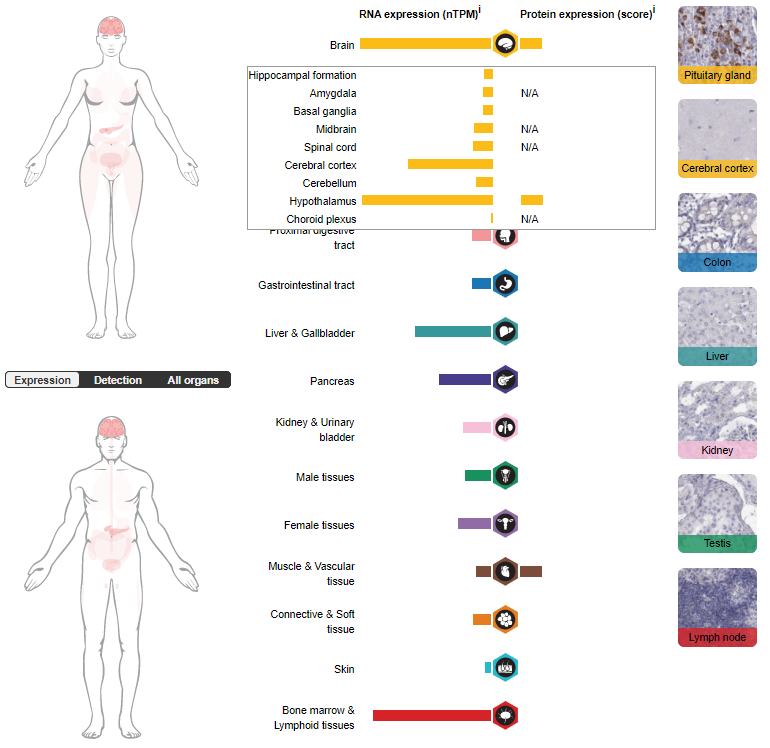
(Data source: uniprot)
Structure of ADCYAP1
ADCYAP1 is a gene located on the short arm of human chromosome 18 (18p11.32) that encodes a 176-amino acid precursor protein (prepro-PACAP), a secreted neuropeptide. PACAP exists in two active forms: PACAP38 (38 amino acids, the major form) and PACAP27 (a truncated form of PACAP-38, consisting of 27 amino acids). Both mature PACAP-38 and PACAP-27 are C-terminusally amidated, which is essential for maintaining their structural stability and full biological activity. During function, the N-terminus (especially positions 1-27) forms a continuous α-helix upon binding to the receptor, representing the active conformation for signal activation. The third residue at the N-terminus (aspartate D3) plays a crucial role in triggering conformational changes in the receptor and initiating downstream signal transduction.

(Data source: Kobayashi K, et al. Nat Struct Mol Biol. 2020)
ADCYAP1 signal transduction and modulation
The binding of the pituitary adenylate cyclase-activating polypeptide (PACAP) to its reactive receptor initiates a variety of intracellular signaling cascades. Activation of adenylate cyclase leads to increased cAMP levels, resulting in the activation of protein kinase A (PKA) and exchange proteins (EPACs) directly activated by cAMP. Additionally, activation of G protein-coupled pathways increases levels of inositol 1,4,5-trisphosphate (Ins(1,4,5)P3) and Ca2+. Receptors such as PAC1, and possibly VPAC1 and VPAC2, can continue to signal from the endosome after receptor internalization mediated by β-repressor proteins. These pathways collectively regulate various downstream targets, including MAP kinases (MAPKs), ion channels, and gene expression, depending on the specific cell type.
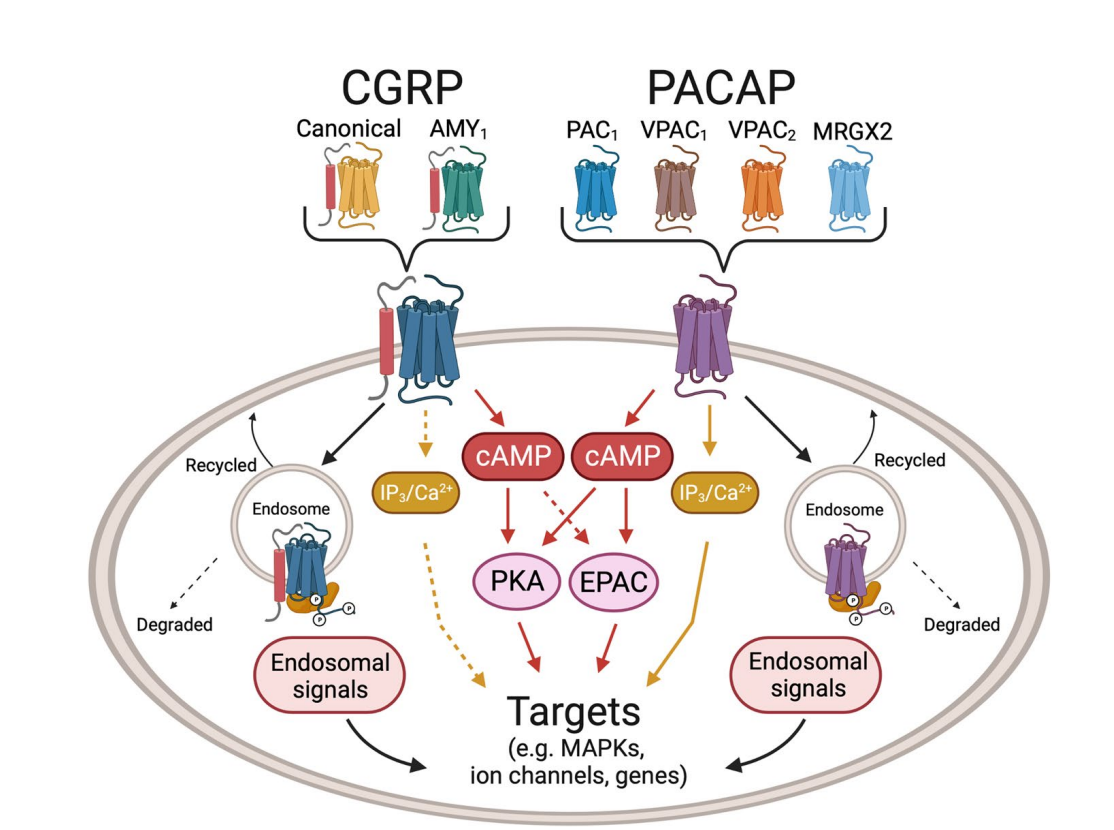
(Data source: Kubulas A, et al. J Headache Pain. 2023)
The role of ADCYAP1 in migraines
In the pathogenesis of migraine, PACAP-38 may increase extracellular potassium ion concentration by activating ATP-sensitive potassium channels (KATP channels) on vascular smooth muscle cells; vasodilation itself may provide mechanical stimulation, thereby activating and sensitizing nearby perivascular nociceptors. It also activates MRGPRX2 receptors on meningeal mast cells, releasing neuroinflammatory mediators and promoting sensitization of trigeminal nerve endings. PACAP signaling in neurons directly leads to depolarization of nociceptive neurons.
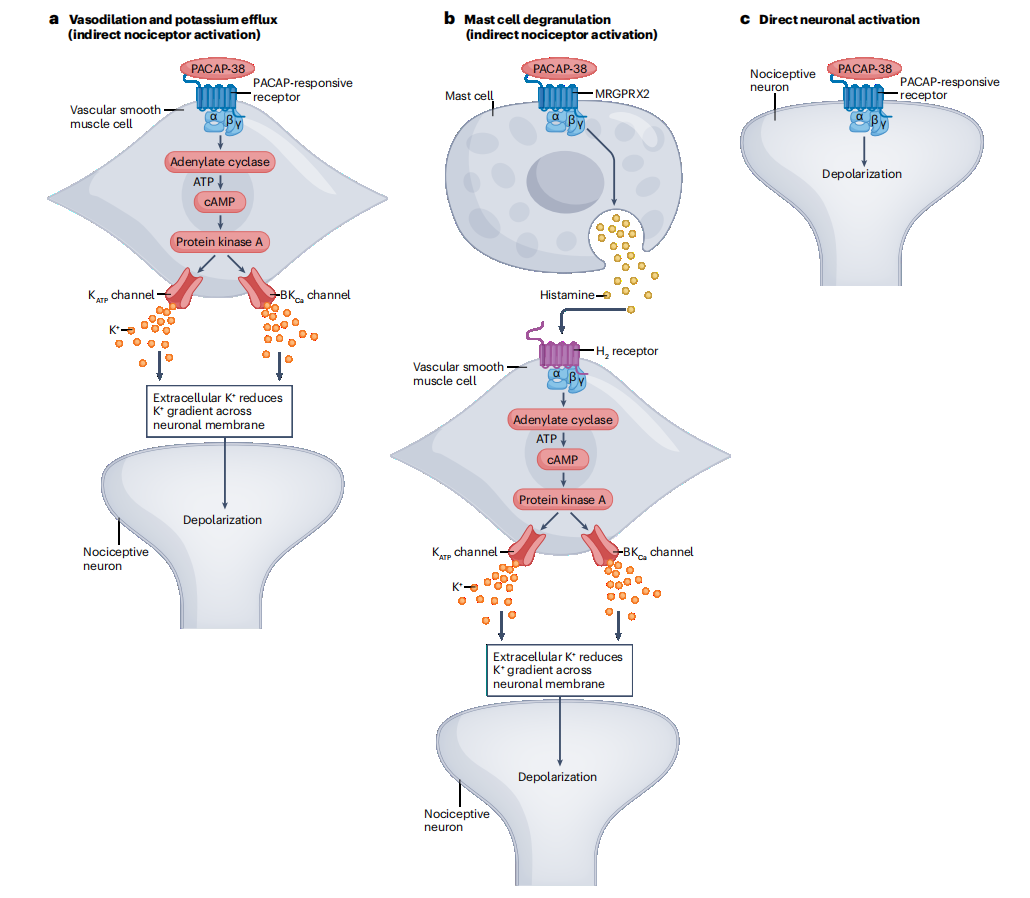
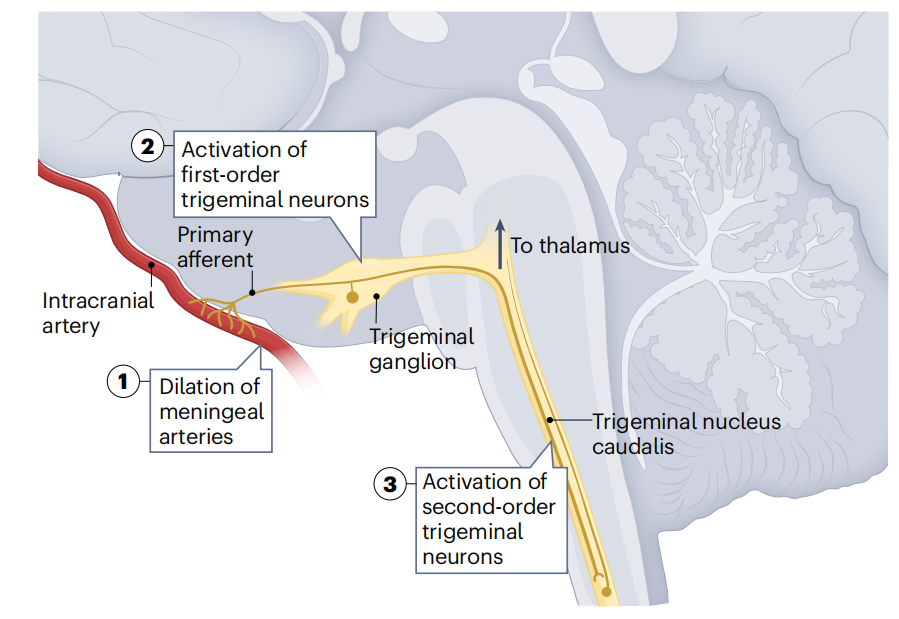
(Data source: Ashina H, et al. Nat Rev Neurol. 2024)
ADCYAP1-targeted therapy
ALD-1910 (Lu AG09222) is a monoclonal antibody targeting PACAP, originally developed by Lundbeck Seattle Biopharmaceuticals (LSBP). It works by inhibiting PACAP-mediated signaling pathways mediated by multiple downstream G protein-coupled receptors (GPCRs). According to updated Phase 1 clinical trial data from 2023, healthy participants receiving Lu AG09222 + PACAP38 injections showed that Lu AG09222 inhibited PACAP38-induced cerebral vasodilation and increased heart rate, while also alleviating associated headaches. These findings suggest that Lu AG09222 may be a potential treatment for migraines and other PACAP-mediated diseases. A Phase 2 trial demonstrated a therapeutic benefit of Lu AG09222 in migraine prevention.
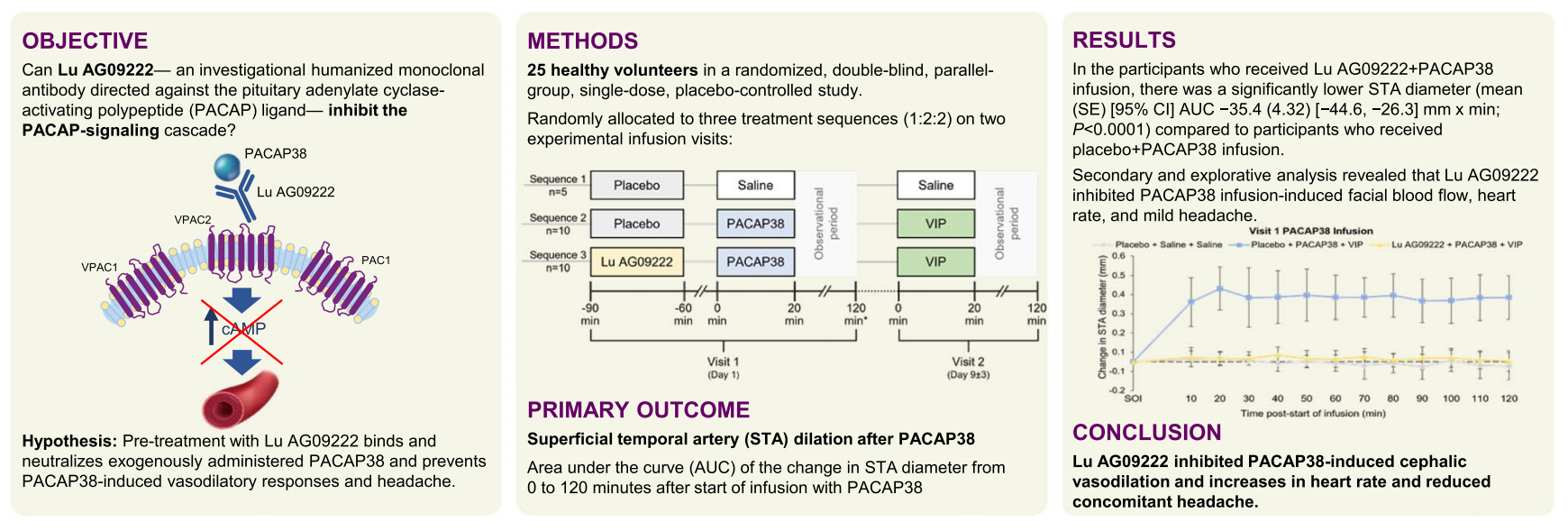
(Data source: Rasmussen NB, et al. J Headache Pain. 2023)
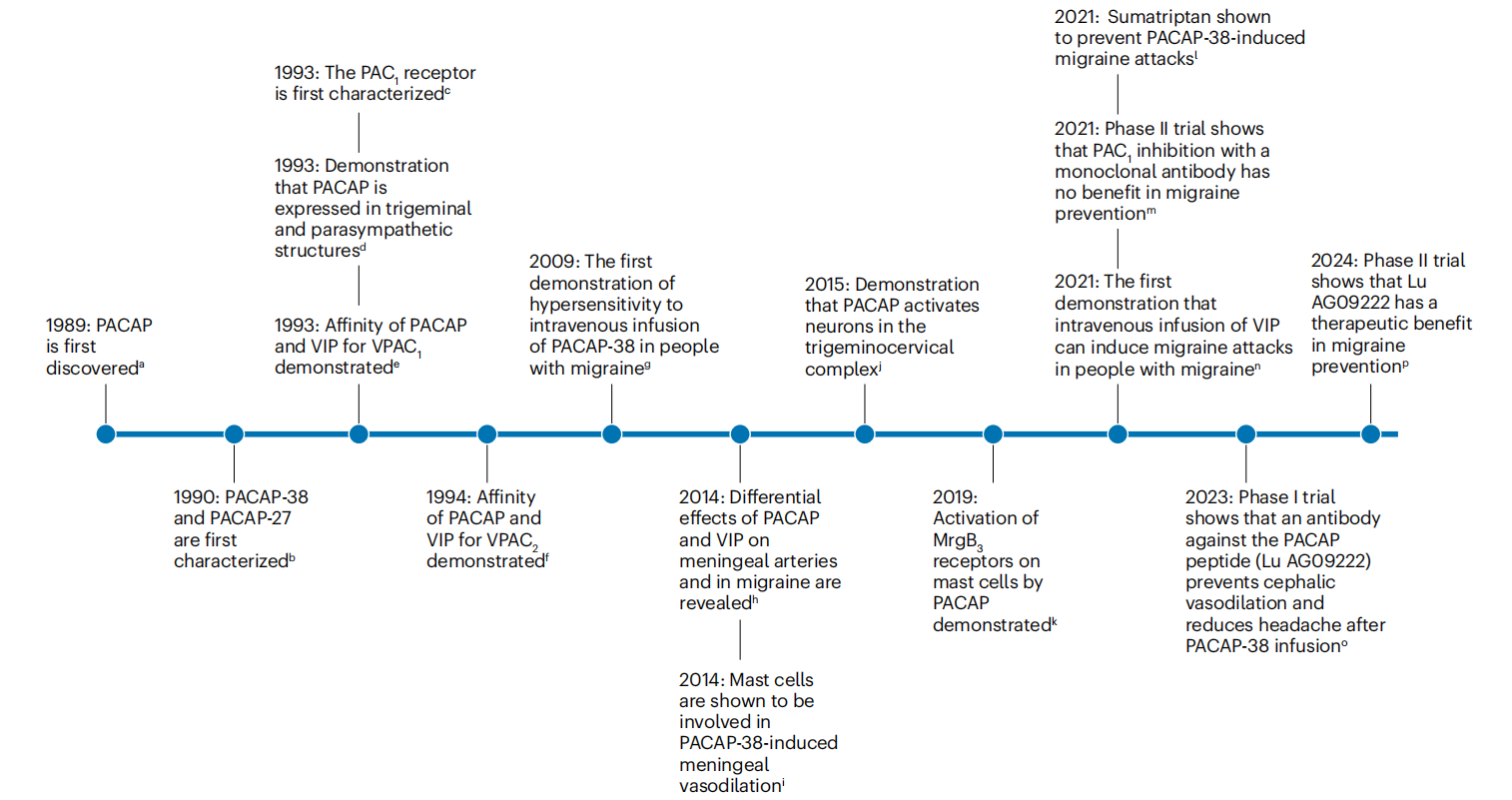
(Data source: Ashina H, et al. Nat Rev Neurol. 2024)
Vipalaneb art (LY3451838) is a monoclonal antibody targeting PACAP, developed by Eli Lilly for the treatment of migraines. It is currently in phase II clinical trials, with no recent updates.