CCR4, also known as CD194 or CMKBR4, is a chemokine receptor. It is a G protein-coupled receptor (GPCR) used for signal transduction, causing cell chemotaxis and activation. CCR4 is primarily expressed in T cells and is also expressed in T-cell leukemia/lymphoma (AT-lymphoma). CCR4 is a therapeutic target for various malignancies, playing a role in recruiting immune cells to the tumor microenvironment. CCR4 has been implicated in allergic inflammatory diseases, autoimmune diseases, and tumors.
Expression distribution of CCR4
CCR4 is mainly expressed selectively in T cell subsets, including regulatory T cells and Th2 cells; CCR4 is also expressed in small amounts in B cells, NK cells, Langerhans cells, macrophages, glandular cells, and neurons.
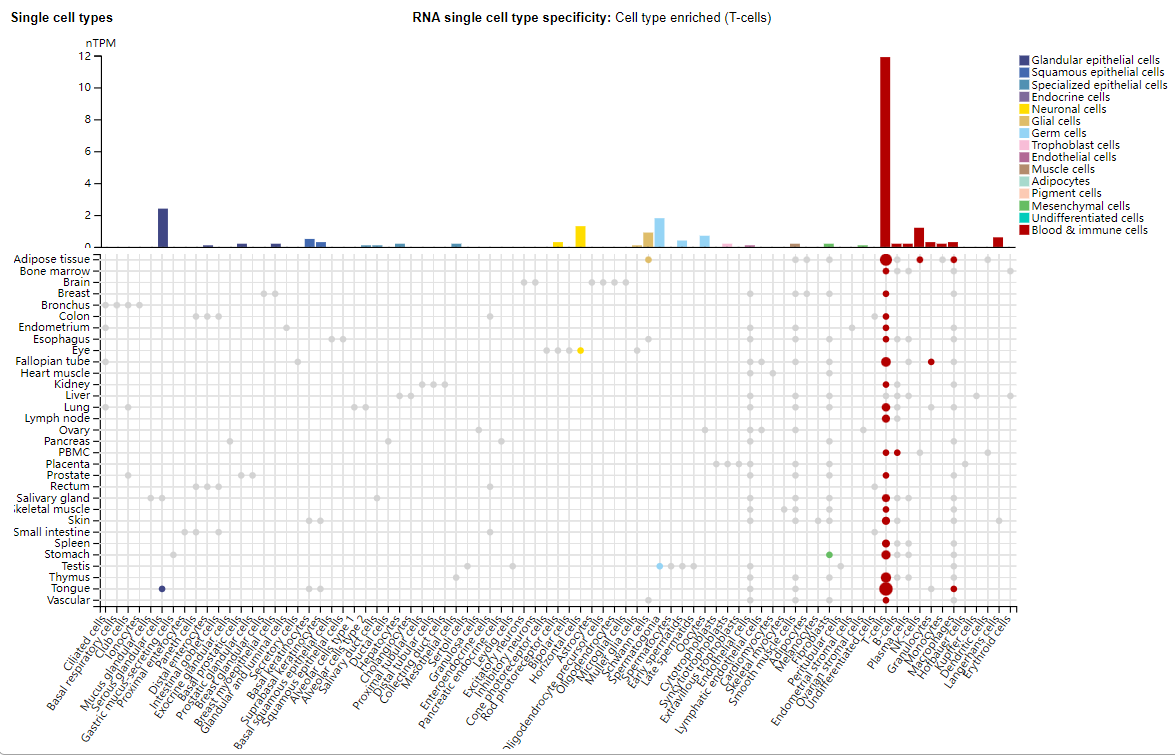
(Data source: Uniprot)
The structure of CCR4 and its ligands
The CCR4 gene is located on human chromosome 3p22.1 and encodes a protein consisting of 360 amino acids with a molecular weight of approximately 41 kDa. It possesses a typical seven-transmembrane domain structure, which enables CCR4 to cross the cell membrane and transmit extracellular signals into the cell interior. The N-terminus of CCR4, located extracellularly, contains a cytokine-binding domain. This domain participates in receptor activation and signal transduction and is a key region for CCR4 ligand binding. The C-terminus of CCR4, located intracellularly, contains a G protein-binding domain. This domain participates in intracellular signal transduction and activates downstream signaling pathways through interaction with G proteins. The selective ligands for CCR4 primarily include CCL17 and CCL22; CCL2 is a non-selective ligand for CCR4.
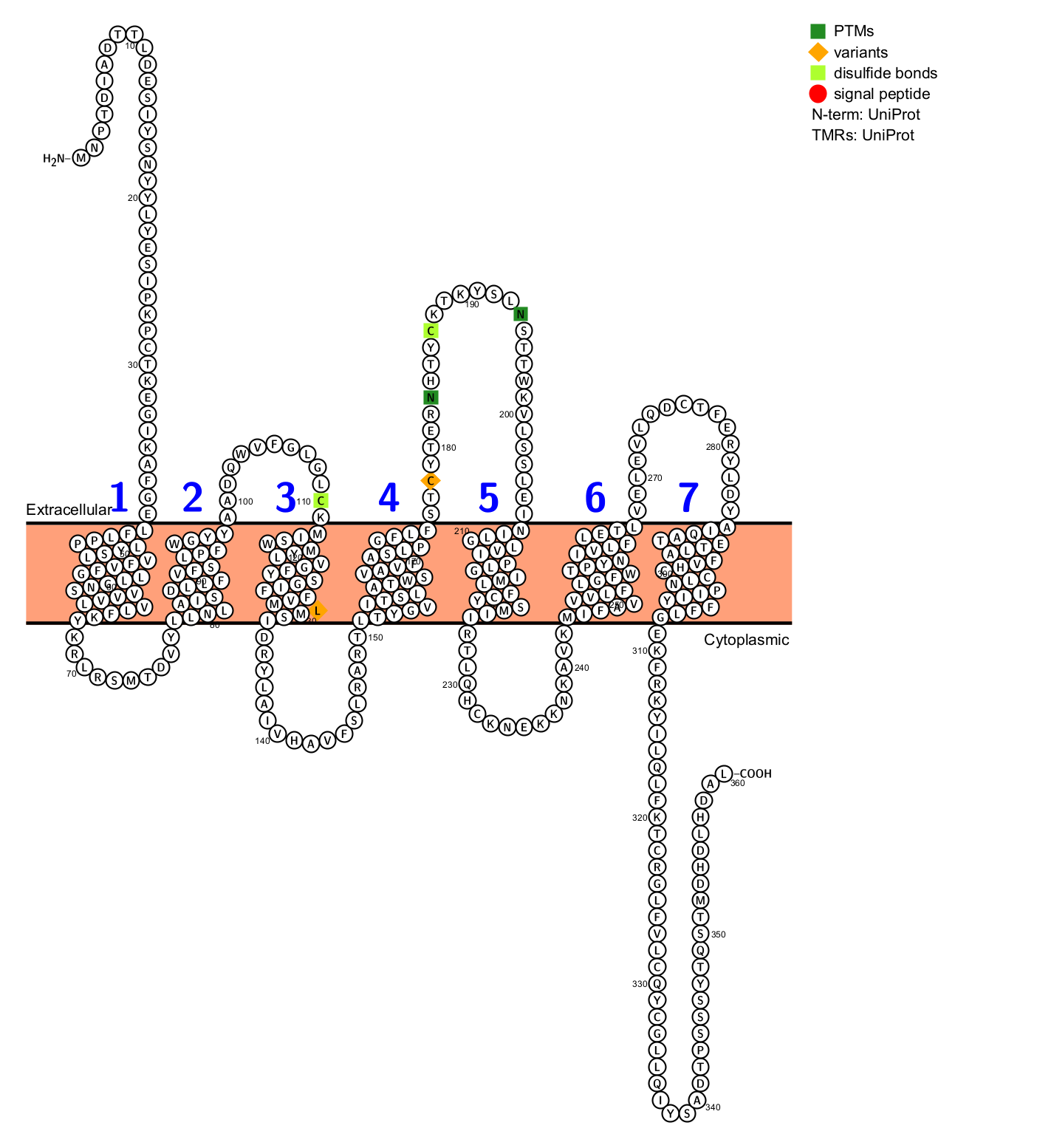
(Data source: uniprot)
Signaling pathway and regulation of CCR4
After CCR4 binds to its ligand, G protein-mediated signaling activates multiple downstream molecules and pathways, including ERK, MAPK, and the PI3K-PKB/AKT pathway. Activation of PLC-β increases intracellular calcium concentration, promoting cell migration and adhesion. The PI3K/Akt pathway is involved in regulating cell survival, proliferation, and metabolism.
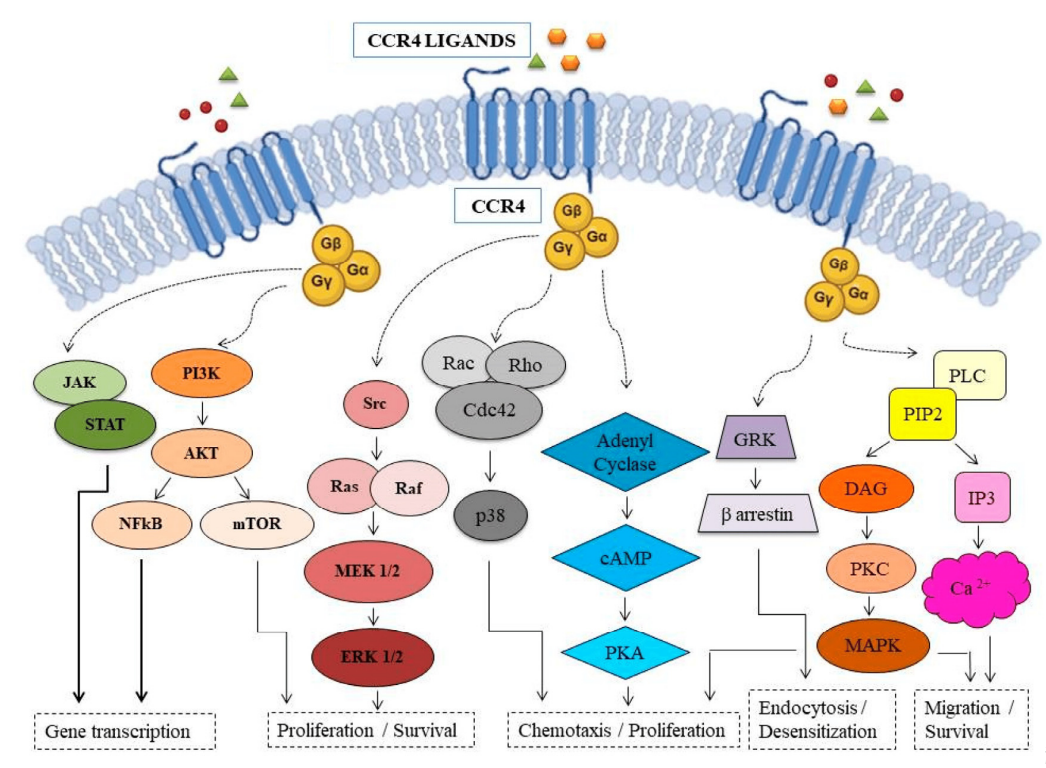
(Data source: Zengarini C, et al. Antibodies (Basel). 2024)
CCR4-targeted therapy
CCR4 is highly expressed in regulatory T cells (Tregs) and tumor cells, such as T-cell leukemia/lymphoma (ATLL). These cells, through CCR4-mediated signaling, inhibit the activation and proliferation of effector T cells, maintaining immune tolerance. Blockade of CCR4 can reduce Treg function, thereby enhancing immune responses. Therapeutic approaches targeting CCR4 primarily include small molecule inhibitors, monoclonal antibodies, and CAR-T therapy.
Mogamulizumab is a defucosylated humanized monoclonal antibody targeting CCR4. It binds to CCR4, inducing apoptosis in tumor T cells. It also exerts its anti-tumor effects by depleting immunosuppressive cells recruited by malignant T cells, leading to an increased host immune response to the disease. Mogamulizumab is primarily used to treat adult T-cell leukemia/lymphoma (ATLL) and cutaneous T-cell lymphoma (CTCL). Combinations of mogamulizumab with other therapies, such as ECP and bexarotene, have shown synergistic therapeutic potential. Future research will focus on optimizing doses, exploring new indications, and combining mogamulizumab with other drugs.
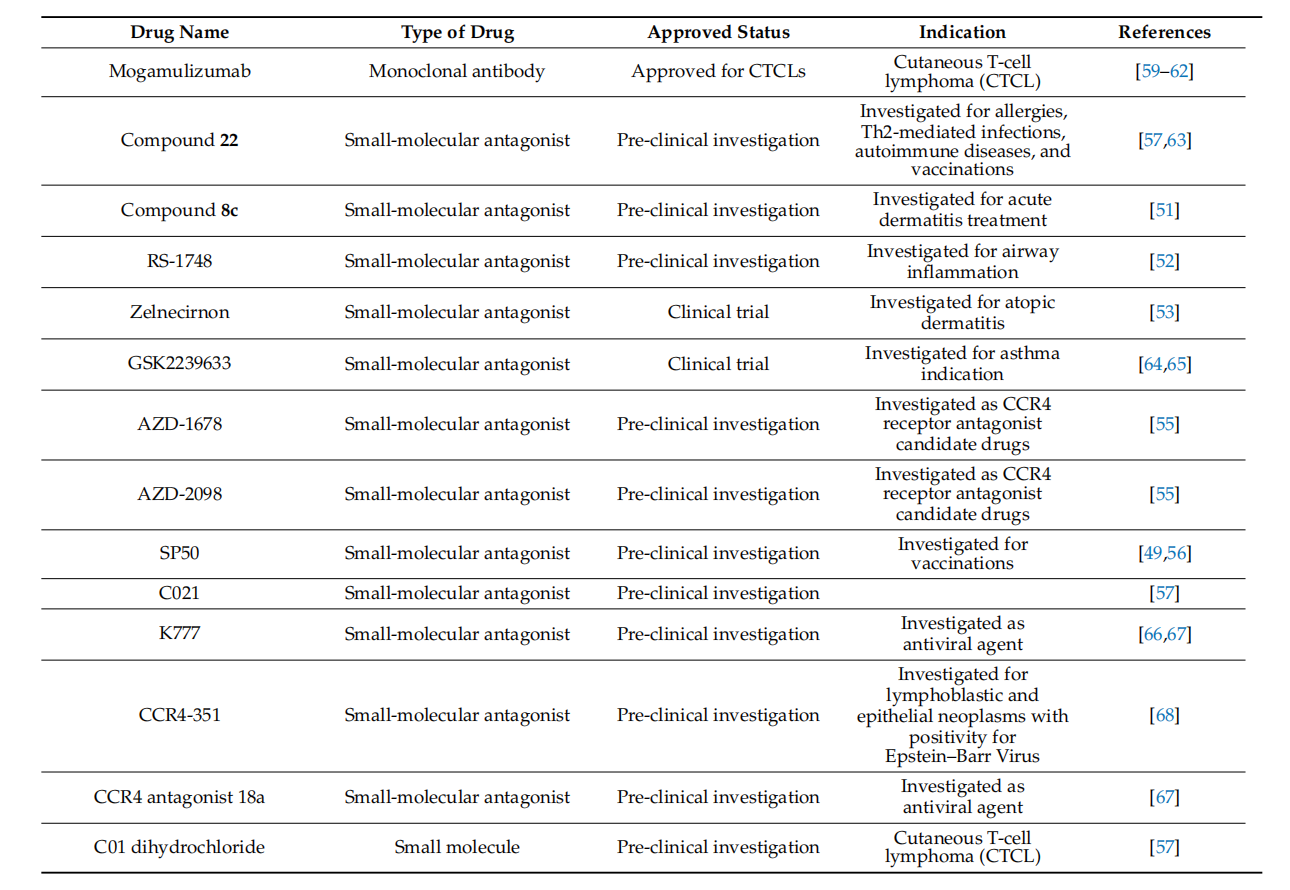

(Data source: Zengarini C, Guglielmo A, Mussi M, et al. Antibodies (Basel). 2024)