CD80 (Cluster of Differentiation 80 , also known as B7/B7.1/BB1 ) is a T -lymphocyte activation antigen . It is a co-stimulatory molecule primarily expressed on the surface of antigen-presenting cells (APCs). CD80 can bind to CD28 on the surface of T lymphocytes, providing a co-stimulatory signal and promoting T lymphocyte activation. CD80 can also bind to CTLA-4, an inhibitory receptor on the surface of T lymphocytes. This binding inhibits T lymphocyte activation and plays an immunomodulatory role.
Expression distribution of CD80
As a co-stimulatory molecule, CD80 is mainly distributed in lymphoid tissues and organs such as bone marrow, spleen, and tonsils at the tissue level. It is mainly expressed in activated B cells, APCs such as macrophages and dendritic cells, and activated T cells. Its expression level is regulated by multiple factors such as cell activation signals, cytokines, and oxidative stress.

(Data source: uniprot)
Function of CD80
CD80 is a key co-stimulatory molecule . Its primary function is to provide the second signal (co-stimulatory signal) necessary for full T cell activation, acting synergistically with the first signal (antigen-specific signal) provided by the T cell receptor (TCR) recognizing the MHC-antigen peptide complex on antigen-presenting cells. Specifically , it can be categorized into the following:
Positive co-stimulation in immune responses (via binding to CD28): When CD80 on APCs binds to the CD28 receptor on the surface of T cells, it delivers a powerful activation signal , crucial for promoting the full activation, proliferation, differentiation, and survival of naive T cells. In the absence of the co-stimulatory signal provided by CD80/CD28, the primary TCR signal alone results in T cell dysfunction or apoptosis, preventing the initiation of an effective immune response.
Synergistic effect with CD86 (B7-2): CD80 is usually co-expressed on APCs with another important co-stimulatory molecule CD86.
Both bind CD28 (as well as CTLA-4), but differ in expression kinetics and affinity (CD86 is generally expressed earlier, CD80 is expressed slightly later but continuously; CD80 has a higher affinity for CTLA-4).
Participates in the negative regulation of immune responses (by binding to CTLA-4 ): CD80 and CD86 can also bind to the CTLA-4 (CD152) receptor expressed on T cells to prevent excessive immune response and maintain immune tolerance and homeostasis in the late stage of immune response or when inhibition is needed.
Structure of CD80
CD80 is an Ig-like protein encoded by the CD80 gene. It is 288 AA in length and has a molecular weight of approximately 33 kDa. It is located on the surface of APCs and belongs to the immunoglobulin superfamily (IgSF ) . It plays a key role in T cell activation. CD80 is a type I transmembrane glycoprotein with multiple N-linked glycosylation sites. Its extracellular region contains two immunoglobulin-like domains (Ig-like V and Ig-like C2). The distal Ig V domain is responsible for specifically binding to the T cell surface receptors CD28 and CTLA-4, providing the costimulatory signals necessary for T cell activation (when binding CD28) or transmitting inhibitory signals (when binding CTLA-4).

(Data source: Uniprot)
CD80 signaling pathway and regulation
CD80 itself does not transmit signals, but acts as a ligand to activate or inhibit T cell surface receptors and transmit signals through the receptors.
Positive co-stimulatory signals: CD80, along with the constitutively expressed CD28 receptor on the T cell surface, serves as a primary auxiliary signal, enhancing MHC/TCR signaling in naive T cells. In turn, CD28/CD80 activates various signaling pathways, such as NF-kappa-B and MAPK, leading to the production of various cytokines. Furthermore, CD28/CD80 signaling stimulates glucose metabolism and ATP synthesis in T cells by activating the PI3K/Akt signaling pathway.
Negative inhibitory signal: CD80 can act as a regulator of the PDL1/PDCD1 interaction to limit excessive PDL1 binding and its inhibitory effect in immune responses . CTLA-4 inhibits CD28 signaling by competing with CD28 for binding to CD80/86. The phosphorylated YVKM motif of CTLA-4 recruits SHP2, which in turn inhibits RAS. In addition, CTLA-4 can inhibit the activity of AKT through PP2A. CTLA-4 in regulatory T cells (Tregs) reduces CD80/86 on the surface of antigen-presenting cells (APCs) through trans-endocytosis, a process that requires the participation of the KxxKKR motif and PKCη.

(Data source: He X, et al. Cell Res. 2020)
CD80 and Disease
Autoimmune diseases: When CD80 is overexpressed on APC cells in different locations (such as rheumatoid arthritis synovium and SLE B cells), it continuously provides co-stimulatory signals, abnormally activates autoreactive T cells, attacks self-tissues, leads to chronic inflammation and tissue damage, and the occurrence of systemic lupus erythematosus and rheumatoid arthritis.
Allergic diseases: When CD80 is overexpressed on APCs under allergen stimulation , Th2 cells are overactivated to secrete IL-4/IL-5 , leading to eosinophil infiltration and elevated IgE , resulting in allergies.
Tumor immune escape: When APC/CD80 expression is lost in the tumor microenvironment or CD80 is abnormally expressed and binds to T cell CTLA-4, T cells cannot be effectively activated (disabled) or are directly inhibited, allowing tumor cells to evade immune surveillance and clearance.
Chronic infection: Pathogens such as HIV and HBV can interfere with or downregulate CD80 expression on APCs, causing T cells to lack the necessary co-stimulatory signals, resulting in ineffective or incomplete immune responses and prolonged infection.
Transplant rejection: When CD80 expression on the surface of APCs in the transplant increases, the binding of CD80 and PD-L1 to PD-L1 promotes the proliferation and expansion of T cells, thereby enhancing graft-versus-host disease (GVDH).
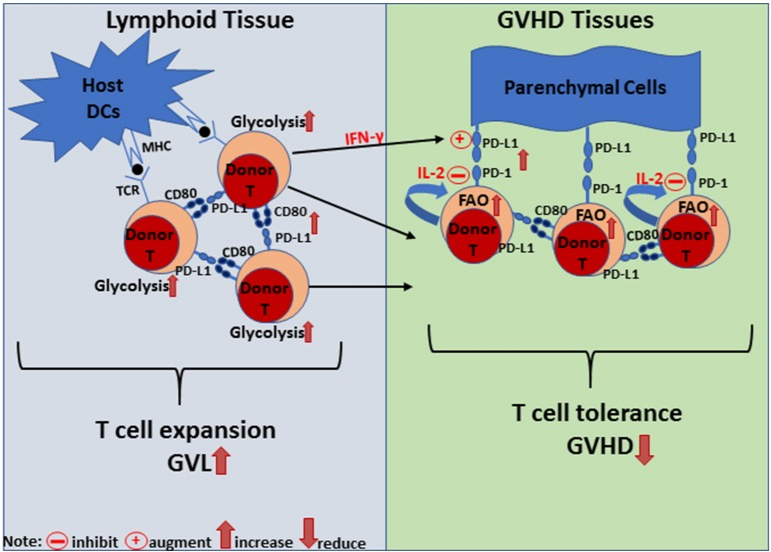
(Data source: Kaniel Cassady, , et al.Front Immunol. 2018)
CD80 -targeted therapy
Belatacept, developed by Bristol -Myers Squibb, is an Fc fusion protein drug targeting CD80 and CD86 . As a CD80 and CD86 inhibitor , its mechanism of action is to competitively occupy CD80/CD86, blocking their binding to the T cell surface receptor CD28. This inhibits the co-stimulatory signals required for T cell activation, preventing full T cell activation and proliferation, reducing IL-2 and IFN-γ secretion, and ultimately suppressing immune rejection. It is used to treat immune diseases such as renal transplant rejection and allogeneic rejection . It was approved for marketing in the United States on June 15 , 2011 , for the treatment of renal transplant rejection.
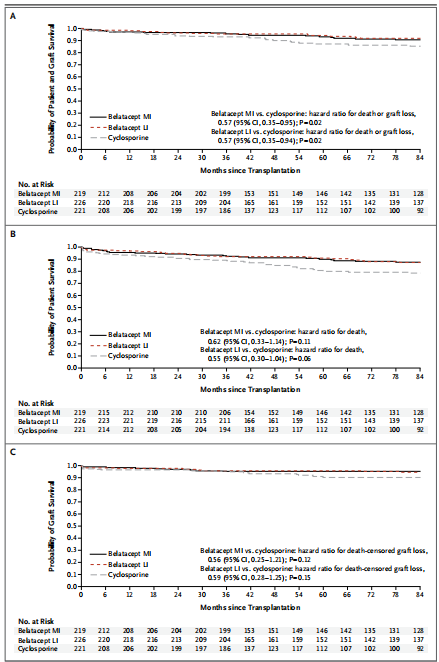
(Data source: Vincenti F, et al. N Engl J Med.2016)
Abatacept, developed by Bristol-Myers Squibb , is a similar Fc fusion protein targeting CD80 and CD86. It consists of the extracellular domain of human CTLA4 and a fragment of the Fc region of human IgG1 (hinge, CH2, and CH3 domains). Its mechanism of action is as a selective T cell co-stimulatory modulator, acting by blocking the binding of CD80 to CD28 on T cells. It is used to treat juvenile rheumatoid arthritis and graft-versus-host disease. It was first approved for marketing in the United States on December 23, 2005, and in China on January 8, 2020.
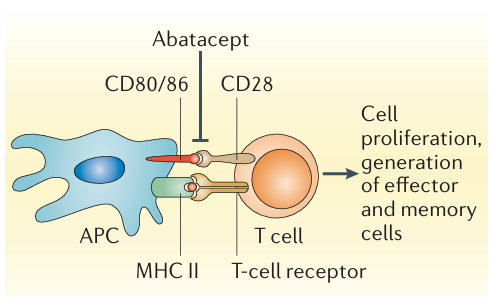
(Data source: Larry Moreland, et al. Nat Rev Drug Discov. 2006)
Rilimogene galvacirepvec (also known as PROSTVAC/PROSTVAC-F/PROSTVAC-V), developed by the National Cancer Institute, is a recombinant vector vaccine targeting CD58×CD80×ICAM-1×KLK3. Its structural characteristics are that it uses a viral vector to express a mutant prostate-specific antigen (PSA) containing two key amino acid substitutions, I155L and N196Y. Its mechanism of action is that the modified viral vector infects tumor cells, expressing the mutant PSA antigen. The released tumor antigen activates dendritic cells, which in turn induces a specific T cell immune response that kills PSA-expressing prostate cancer cells . It is used to treat metastatic castration-resistant prostate cancer. The first Phase II clinical trial began on November 28, 2011.
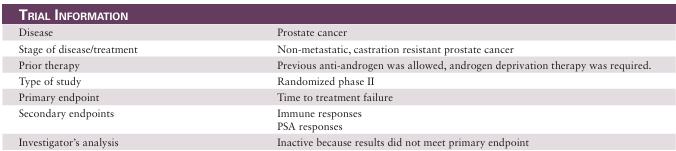
(Data source: Ravi A Madan, et al. Oncologist. 2023)
Galiximab is a chimeric IgG1 monoclonal antibody targeting CD80, developed by Biogen. Its mechanism of action is to regulate anti-tumor immunity by blocking immune checkpoint pathways. It is used to treat B-cell psoriasis and refractory follicular lymphoma. The first Phase 3 clinical trial was conducted on June 28, 2007.